

Every time a Chinese team dominates the World Championship stage, one thing is always behind it: the LPL.
The League of Legends Pro League isn’t just where China’s best players compete; it’s where the game’s most explosive, unpredictable, and mechanically brilliant matches happen week after week.
If you’ve ever watched a pro game and thought, “how is that even possible?” there’s a good chance you were watching an LPL team. Since 2013, the LPL has shaped how League of Legends is played at the highest level globally.
Whether you’re a casual fan or a die-hard ranked grinder, understanding the LPL means understanding the future of competitive League of Legends.
China’s Premier League of Legends Battleground
The LPL stands as China’s top League of Legends competition, widely recognized for its unmatched intensity and depth of talent.
Since its launch in 2013 under Tencent’s esports ecosystem, it has grown into a powerhouse that consistently shapes the global competitive scene.
Top-tier teams face off in high-pressure matches where speed, mechanics, and strategy define success. Unlike slower regions, the LPL is known for its aggressive, high-tempo gameplay that keeps fans engaged from start to finish.
Beyond domestic dominance, the league serves as a gateway to international stages, with its best teams regularly competing for titles at MSI and Worlds. Many of the game’s most iconic players have risen through this league, proving their skill against fierce competition.
The LPL is not just about winning locally; it represents ambition, innovation, and a relentless drive to be the best in the world.
Everything You Need to Know about LPL
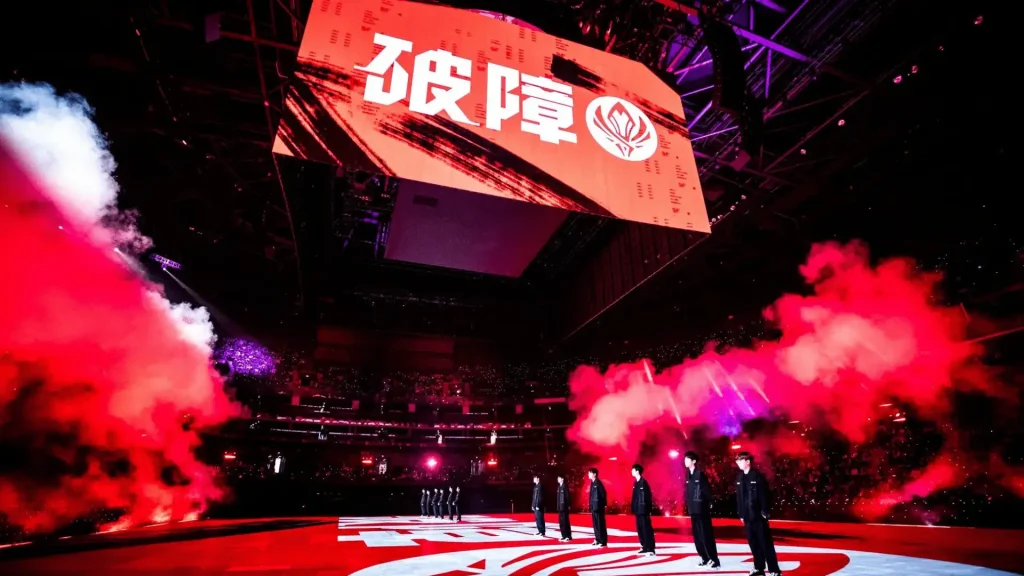
The LPL, short for League of Legends Pro League, is China’s premier League of Legends competition and a major force in the global esports scene.
Featuring 16 of the region’s top teams, the LPL isn’t just about highlight-worthy plays; it’s the primary pathway for Chinese teams to qualify for international tournaments, such as the Mid-Season Invitational (MSI) and the World Championship (Worlds).
As one of the “Big Four” regions alongside LCK, LEC, and LCS, the LPL plays a critical role in shaping the competitive landscape of League of Legends worldwide.
Foundation and Evolution
The league began in 2013, originally called the Tencent League of Legends Pro League.
What started as a domestic competition has evolved into one of the most prestigious and competitive leagues on the planet, often competing head-to-head with Korea’s LCK for the title of the strongest region.
In 2017, the LPL transitioned to a franchise model, which brought more financial backing, structural stability, and global recognition.
Changes in LPL Format In 2025
In 2025, the LPL made another major leap by switching from two splits per year to three.
This change introduced more opportunities for teams to shine and reshaped how international qualifications are earned:
- Split 1: Winner qualifies for First Stand 2025
- Split 2: Winner and runner-up qualify for MSI 2025
- Split 3: Determines seeding and qualifiers for Worlds 2025
With more games, higher stakes, and an even more competitive schedule, the LPL continues to evolve as one of the most exciting and influential leagues in the world of professional League of Legends.
Why the LPL Matters in League of Legends
The LPL isn’t just another regional league; it’s a global powerhouse.
As the second most successful region in League of Legends history, the LPL has established a legacy of excellence, driven by its aggressive playstyle, deep talent pool, and substantial financial backing.
Its games are fast-paced, high-stakes, and often trend-setting, making the LPL essential viewing for anyone wanting to understand the evolution of the global meta and top-level competitive play.
If you’re still climbing the solo queue ladder yourself, understanding the League of Legends ranking system gives you better context for just how far above the curve these pros really are.
1. International Success

The LPL has consistently made its mark on the world stage.
Since 2018, Chinese teams have claimed the World Championship title three times, trailing only South Korea’s LCK, which holds the record with seven.
The LPL’s international wins include:
- 2018: Invictus Gaming
- 2019: FunPlus Phoenix
- 2021: Edward Gaming
These victories solidified the LPL’s place as one of the most dominant and respected regions in League of Legends history.
2. Top Teams to Know in 2025

Here are some of the top-performing and fan-favorite teams in the current LPL roster:
- JD Gaming (JDG): A dominant force in 2023 and 2024
- Bilibili Gaming (BLG): Aggressive, talented, and fan-beloved
- Weibo Gaming (WBG): Known for their clutch Worlds runs
- Top Esports (TES): A legacy org still aiming high
- Edward Gaming (EDG): 2021 World Champions and still competitive
- LNG Esports: A dark horse with consistent playoff presence
3. LPL Stars to Watch in 2025

- Bin (BLG): The explosive top laner who can single-handedly carry games with his fearless dive plays.
- Knight (BLG): A mechanical genius in the mid lane whose clutch performances define championship moments.
- Viper (EDG): The 2021 Worlds champion ADC who continues to prove why he’s among the world’s elite marksmen.
How LPL Qualification Works
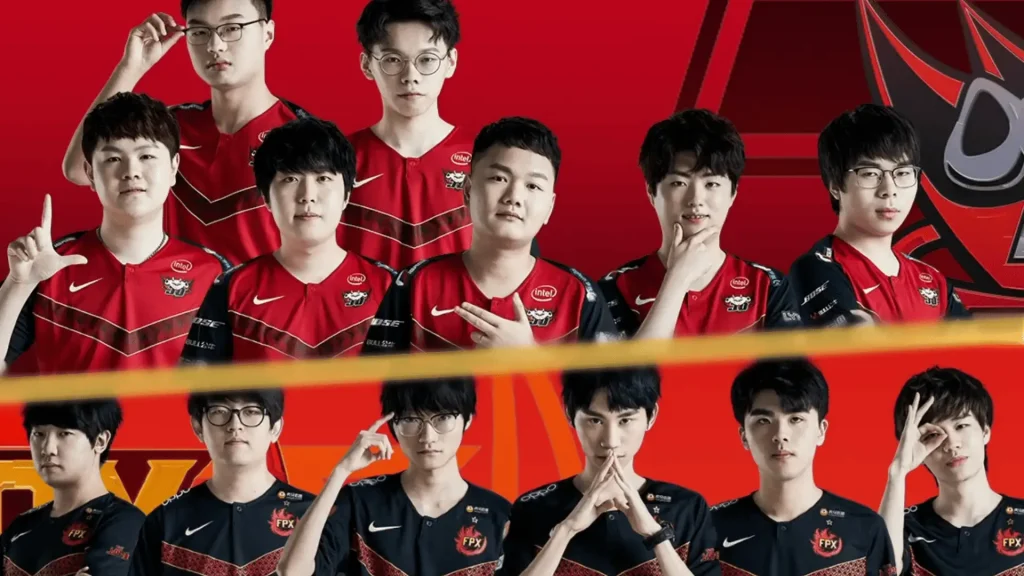
With the 2025 format shift introducing three splits instead of two, the LPL’s qualification system now rewards consistent performance across the entire season.
Teams earn championship points and direct qualifications to international events, such as MSI and Worlds, based on their results in each split, raising the stakes year-round.
1. World Championship Qualification (2025)
Under the updated format, China’s representatives for the World Championship are determined as follows:
- Seed 1: Champion of Split 3 earns a direct spot in the Worlds 2025 Main Event.
- Seed 2: The team (excluding Split 3 winner) with the most championship points across all splits also qualifies.
- Seed 3: Determined through the Regional Finals, featuring the next top-performing teams.
This system replaces the older format where summer champions and points leaders were primary qualifiers, allowing more consistent performers to shine.
2. Mid-Season Invitational (MSI) Qualification
- For MSI 2025, both the winner and runner-up of Split 2 will represent the LPL.
- This change ensures that top-performing teams from the spring season get global stage experience and gives more value to mid-year competition.
- With these updates, the LPL’s pathway to international tournaments emphasizes consistency, peak performance, and resilience across the entire season, ensuring the region always sends its very best.
LPL vs. Other Regions
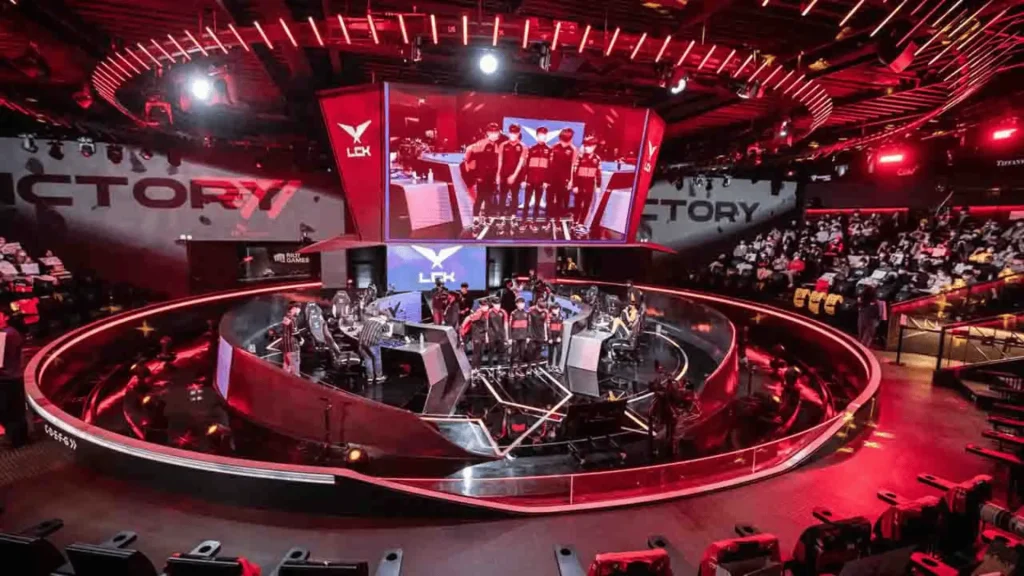
While South Korea’s LCK holds the title of the most successful region in history with 7 World Championship wins, the LPL has stepped up as its biggest challenger.
With 3 Worlds titles of its own (2018, 2019, 2021) and a track record of sending multiple top-performing teams to international events, the LPL vs. LCK rivalry has become the defining battle of modern pro League.
Regional Comparisons:
- LPL vs. LCK (Korea): LCK remains methodical and calculated, while LPL is more aggressive and skirmish-focused.
- LPL vs. LEC (Europe): LEC emphasizes creativity and macro. LPL dominates with mechanics and mid-game fighting.
- LPL vs. LCS (North America): LPL generally outperforms LCS internationally, with a deeper talent pool and more competitive infrastructure.
No other regions come close in terms of titles, talent depth, or international consistency.
What LPL Means for League of Legends Fans

Understanding the LPL is crucial for any serious League of Legends fan because:
- Top-Tier Competition: The LPL consistently produces teams capable of winning international tournaments
- Entertainment Value: Known for aggressive, exciting gameplay styles that define modern League of Legends
- Global Impact: LPL success influences meta development and strategic trends worldwide
- Player Recognition: Many of the world’s best players compete in or emerge from the LPL
Other Esports Guides
Competitive gaming doesn’t stop at League of Legends. The pro scene spans dozens of titles, and the habits that separate good players from great ones often carry across games.
Whether it’s game sense, mechanical precision, or knowing how top players set up their rigs, studying other esports can sharpen how you think about competition overall.
Tactical shooters like Valorant have built their own massive pro ecosystem, and the gap between casual and competitive play is just as wide as it is in LoL. One of the fastest ways to close that gap is understanding the exact setup choices pros make.
Studying Valorant pro player settings reveals patterns in sensitivity, resolution, and crosshair configs that most casual players overlook entirely.
The mindset behind LPL’s aggressive, read-and-react style also translates well into faster-paced titles. Pros in any game obsess over consistency, and that starts long before the match loads.
From keybinds to monitor refresh rates, the small details add up fast. If you follow competitive play seriously, branching into how other pro scenes operate gives you a fuller picture of what elite-level gaming actually looks like across the board.
Conclusion
In 2025, the LPL stands for more than just “League of Legends Pro League”; it represents the heart of Chinese esports and one of the most electrifying regions in the game.
Known for its bold plays, intense rivalries, and international impact, the LPL continues to set the bar for what top-tier competitive League looks like.
For new fans, it’s the perfect region to dive into, packed with high-energy matches, superstar talent, and non-stop excitement.
If you’re into sharp mechanics, smart strategy, or just pure, unpredictable chaos, the LPL delivers it all loud, fast, and unforgettable.
Now you know: when someone mentions “LPL” in League of Legends, they’re talking about China’s League of Legends Pro League – one of the most competitive and successful regions in professional esports.
Frequently Asked Questions
Where Can I Watch LPL Matches in English?
You can watch LPL matches in English on the LPL English Twitch and YouTube channels, with games starting at 1:00 AM PST.
How Many Teams Currently Compete in the LPL?
The LPL currently features 14 teams competing in Split 1, reduced from 16 following the departures of FunPlus Phoenix and Royal Never Give Up.
What is the “hard Fearless Draft” Rule Used in the LPL?
Hard Fearless Draft means champions can only be picked once by either team during an entire series, forcing teams to constantly adapt their strategies.