Starting a Mario game always feels familiar. You know the characters, the world, and the run, jump, stomp rhythm Nintendo has refined for decades.
That comfort is part of the appeal. But Super Mario Bros. Wonder adds something rare: real surprise.
I played the main campaign, tried local co-op, and returned for the optional post-game content. What stood out was how carefully each level builds around a new idea.
The Wonder Flower could have felt like a gimmick. Instead, it makes the game feel alive, unpredictable, and different from past 2D Mario entries.
In this Super Mario Wonder review, we cover the gameplay, campaign, visuals, sound, multiplayer, critic scores, and whether Super Mario Bros. Wonder is worth playing.
Super Mario Bros. Wonder Overview
Super Mario Bros. Wonder is a 2D side-scrolling platformer from Nintendo EPD, released in October 2023 for the Nintendo Switch. It moves Mario out of the Mushroom Kingdom and into the Flower Kingdom,
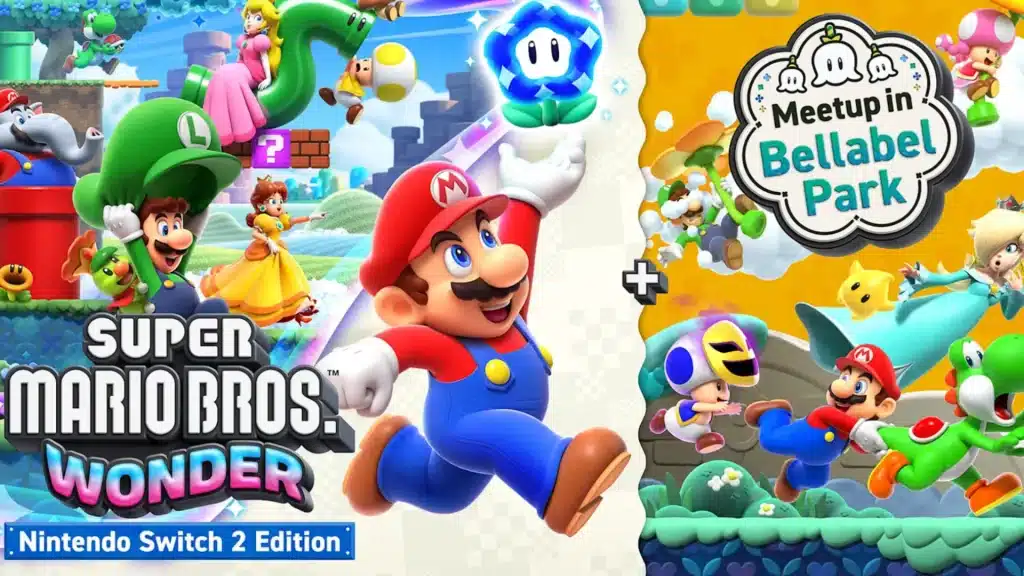
Mario, Luigi, Peach, Daisy, Toad, Toadette, Yoshi, and Nabbit are all playable characters in the game.
The story begins when Bowser uses the power of the Wonder Flower to transform into a massive living castle. Mario and friends travel through the Flower Kingdom, collect Wonder Seeds, and work to restore the kingdom.
The biggest change is the Wonder Flower mechanic. Activating one triggers a Wonder Effect, which can flip gravity, make pipes chase you, or turn Mario into a Goomba.
The game also adds badges, letting players equip abilities like wall-climb, slow float, or a longer jump.
Combined with richer visuals, expressive animations, and creative level design, Wonder feels like the freshest 2D Mario game in years.
Super Mario Bros. Wonder: Gameplay and Mechanics
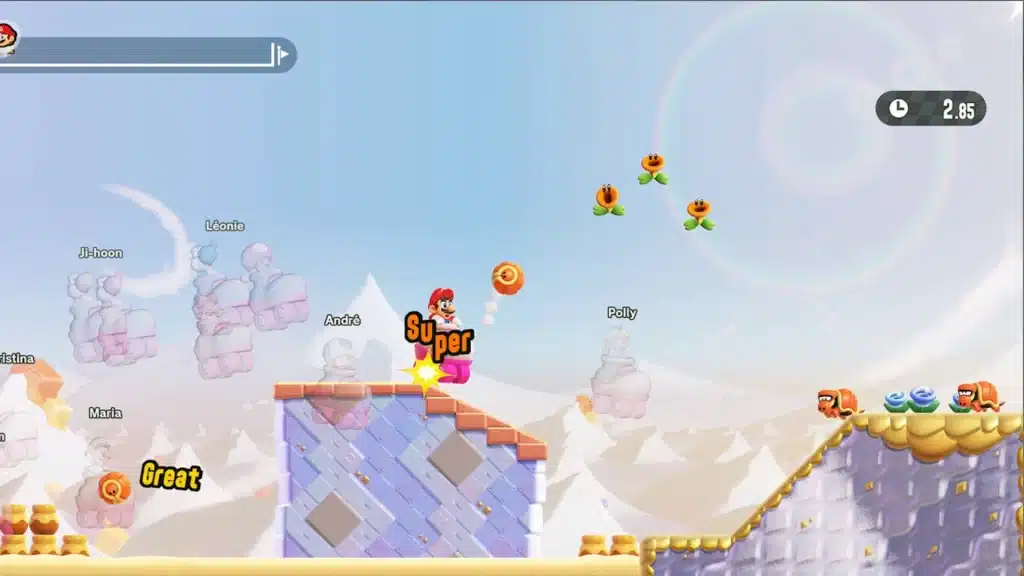
At its core, Super Mario Bros. Wonder still plays like a classic 2D Mario game. You run, jump, stomp enemies, collect coins, and reach the goal.
The controls are tight, smooth, and reliable. Nothing feels loose or inconsistent.
The Wonder Flower is what changes everything. Each level has one, and touching it triggers a Wonder Effect that changes the rules of the stage.
You might turn into a rolling spike ball, deal with shifting gravity, or shrink down to reach hidden paths. Every effect feels built for that specific level.
Badges do not remake the game, but they give you more control. They also make tougher sections easier for newer players.
The standout new power-up is the Elephant Fruit. It lets characters break blocks, spray water, and interact with levels in fresh ways.
Players deciding between Mario Bros. Deluxe or Wonder often point to the Elephant Fruit as one of the clearest reasons Wonder feels like the bigger leap.
The main drawback is difficulty. The main path is easy for experienced players, while the real challenge lies in the optional and post-game stages.
Super Mario Bros. Wonder Review: What Critics Are Saying?
The critical response to Super Mario Bros. Wonder is unusually consistent. Most praise centers on two things: the Wonder Flower mechanic and the local co-op design.
1. IGN
Rating: 9/10
Super Mario Bros. Wonder delivers a colorful, joyful experience packed with creativity. The Wonder Effects constantly change how levels play, keeping things fresh and engaging.
New power-ups, badges, and improved multiplayer add flexibility and replay value. While the challenge is lighter for experienced players, the overall design and variety still stand out.
2. GameSpot
Rating: 9/10
Super Mario Bros. Wonder proves 2D Mario can match the creativity of its 3D counterparts. The Wonder Flower mechanic keeps levels fresh with constant surprises.
Strong level design, new power-ups, and a flexible badge system support the experience. Visuals and online features feel modern and polished.
There are minor issues, such as repeated effects and limited local co-op options. Still, it stands out as one of the best 2D Mario games in years.
3. Eurogamer
Rating: 5/5
Super Mario Bros. Wonder feels like a constant burst of creativity, with every level introducing fresh ideas and unexpected twists.
The Wonder Flower mechanic keeps gameplay unpredictable, turning simple stages into unique experiences.
New power-ups, enemies, and mechanics add variety without losing Mario’s core identity. While not every idea lands perfectly, the sheer imagination and variety make it one of the most inventive 2D Mario games in years.
4. Digital Trends
Rating: 4/5
Super Mario Bros. Wonder feels like a true reinvention of 2D Mario, bringing back the sense of surprise the series once had.
The Wonder system constantly changes gameplay, making each level feel fresh. It combines strong level design with new mechanics, enemies, and a flexible badge system.
While some ideas repeat and bosses feel weaker, it remains one of the most creative Mario experiences in years.
Super Mario Bros. Wonder: Campaign and Mission Design
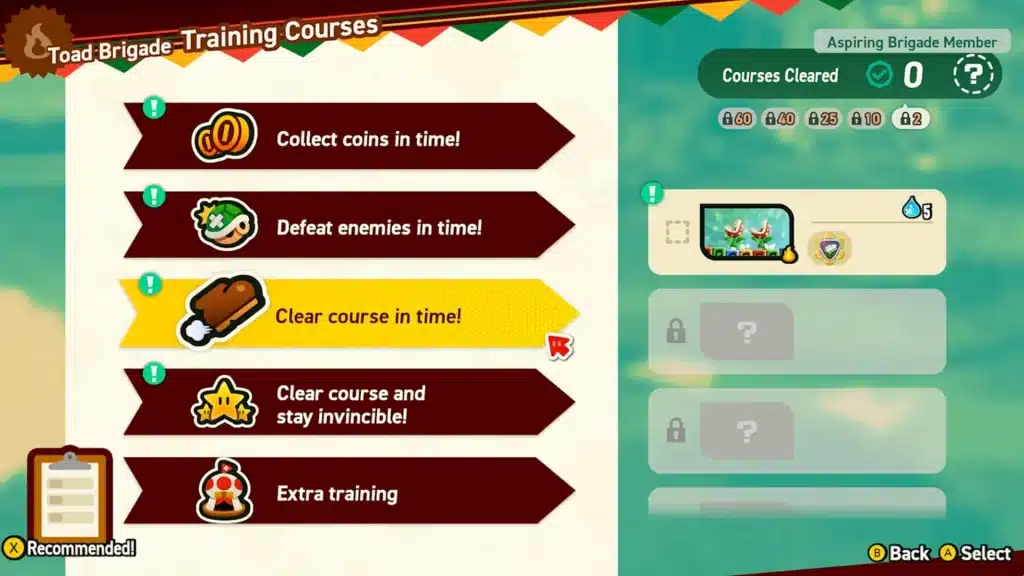
The campaign is built around a world map within the style Flower Kingdom. Each area includes standard stages, Wonder Effect levels, badge challenges, and hidden levels.
The map is partly open. Most areas let you choose your route, though some stages unlock only after nearby ones are cleared.
The main campaign takes about 12 to 14 hours. For a $59.99 game, that can feel short if you only play the main path.
Completionists get more value. Collecting every Wonder Seed, finding hidden levels, and clearing the special world can push total playtime in Super Mario Bros. Wonder well past 20 hours.
The level design is strong overall. Wonder Effect stages are the highlights, while standard levels are polished but more traditional.
That creates a clear gap between the best stages and the average ones. The Wonder sequences are so inventive that normal stages can feel simpler by comparison.
The special world is where the real challenge starts. It demands sharper timing, better movement, and stronger command of the mechanics.
Boss fights are fun but fairly simple. They look great and use Wonder Effects well, but the hardest tests are saved for optional content.
Super Mario Bros. Wonder: Graphics and Sound
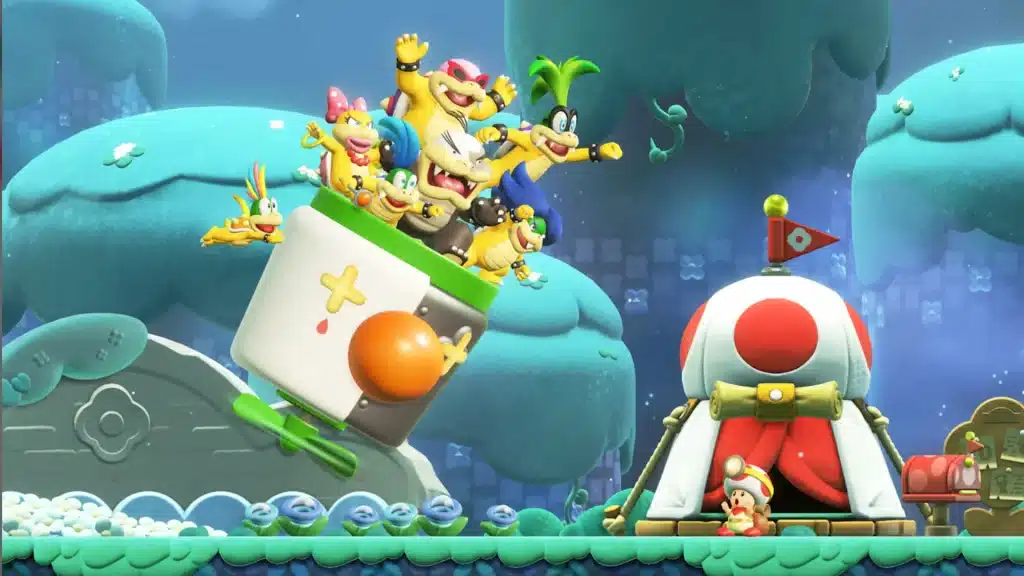
The shift away from New Super Mario Bros. is obvious right away. Characters are more expressive, with small touches like Mario’s reactions and Yoshi’s eye movement adding personality.
The Flower Kingdom also looks richer and more detailed. Its colors, layered backgrounds, and handcrafted feel set it apart from earlier 2D Mario games.
The Wonder Effects are the visual highlight. Each one has its own animation, style, and stage-specific design.
Across 100-plus stages, no two effects feel the same. That variety shows how much care went into the game’s production.
The audio is just as polished. Music shifts in real time as gameplay changes, especially when a Wonder Effect begins.
Performance is steady in both docked and handheld modes. Load times are quick, and moving from the map to a level feels smooth.
Super Mario Bros. Wonder: Multiplayer and Co-Op
Super Mario Bros. Wonder supports up to 4 players in local co-op and up to 12 players online. Both modes work, but they feel very different.
Local co-op is the stronger experience. Players share the same screen, trigger Wonder Effects together, and revive each other during levels.
When someone falls, they turn into a bubble that teammates can pop to bring them back. Even knocked-out players can still provide small boosts, keeping everyone involved.
Online play works through Nintendo Switch Online. On both Switch 1 and Switch 2, players need an active subscription, then can join friends through the in-game menu or connect via lobby using friend lists.
Online players appear as ghost-like figures who can revive you or leave helpful items, but they do not directly affect your level. It works, but feels more passive.
For multiplayer, local co-op remains the better and more engaging option.
Community Reactions to Super Mario Bros. Wonder
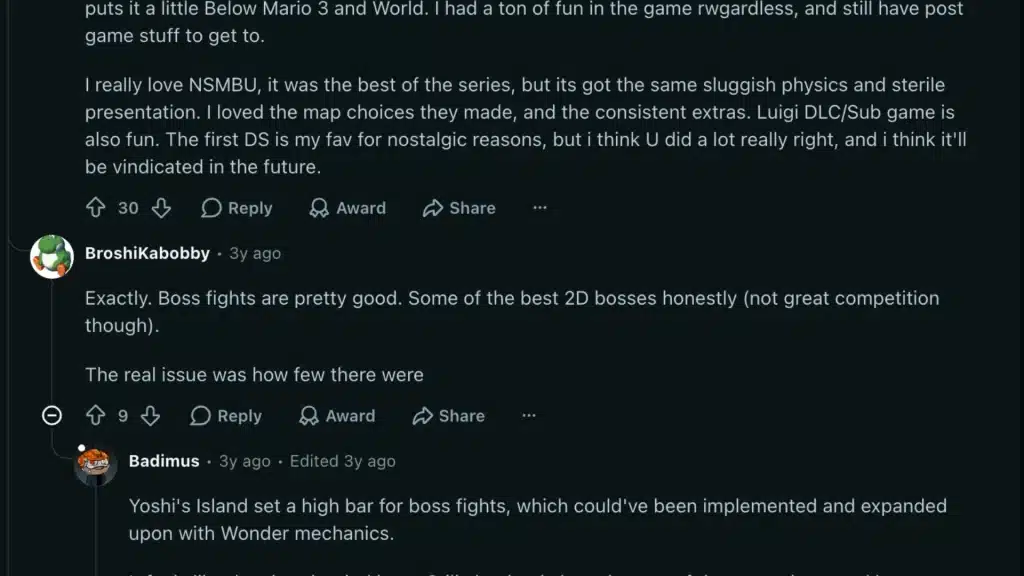
Reddit discussions highlight a mixed but clear takeaway: players generally see it as a solid Mario game, but not the most creative entry. One user summed it up by saying the game is good overall, yet lacks imagination.
Many players praised the tight controls and polished level design, noting that it still feels smooth and reliable. However,
Some felt it does not introduce enough fresh ideas and that the presentation feels a bit flat compared to past titles.
Others had a more frustrating experience, especially with the lives system, which they felt disrupted the balance between fun and challenge. A few comments also pointed out weaker level flow and design consistency.
Overall, players appreciate the polish and classic Mario feel, but believe the game plays it too safe, rather than pushing new ideas further.
What Shines and What Falls Short in Super Mario Bros. Wonder?
Super Mario Bros. Wonder is at its best when it feels playful, strange, and genuinely surprising.
This section looks at the ideas that work beautifully, along with the few places where the game feels lighter than it could have been.
| What Shines | What Falls Short |
|---|---|
| Wonder Flower mechanic: Unique effect in every level, no reused ideas | Main difficulty: Too easy for veteran players without optional content |
| Local co-op: Excellent multiplayer with a smart revive system | Online co-op: Ghost system feels limited compared to local play |
| Badge system: Adds replay value and customization | Standard levels: Less creative than Wonder Effect stages |
| Art direction: Strong visual upgrade with better animation | Campaign length: 12 to 14 hours may feel short for $59.99 |
Should You Buy Super Mario Bros. Wonder?
Yes, you should buy Super Mario Bros. Wonder if you want a polished, creative, and easy-to-enjoy 2D Mario game.
At $59.99, Super Mario Bros. Wonder holds its value well even two years after launch, especially with the optional content extending playtime past 20 hours.
The Wonder Flower keeps stages fresh, the controls feel great, and local co-op makes it a strong pick for families or friends. It is especially worth it if you enjoy replaying levels, finding secrets, and clearing optional challenges.
That said, it may not feel like the best value if you only plan to finish the main campaign once. The main path is not very hard, and experienced players may reach the credits faster than expected.
Online co-op is also more helpful than fully interactive, so local multiplayer is clearly the better way to play.
Overall, Super Mario Bros. Wonder is worth buying for most Switch owners. It is not the hardest or longest Mario game, but it is one of the most charming, polished, and fun 2D entries Nintendo has made in years.
Conclusion
After playing Super Mario Bros. Wonder, the critical praise feels earned. This is not just the Mario name carrying the score.
The Wonder Flower works because Nintendo fully commits to it. Each level gets its own effect instead of repeating the same ideas.
That care gives the game a steady sense of surprise. You keep playing because you want to see what the next level has in store.
The flaws are real. The main path is easy, online multiplayer feels limited, and some standard levels are more polished than creative.
Still, those issues do not outweigh what the game gets right. As a Super Mario Wonder review, the verdict is clear: the game stays fresh, charming, and easy to recommend.
Which side are you on: classic Mario comfort or Wonder’s fresh chaos? Drop your take and tell me if Super Mario Bros. Wonder lived up to the hype for you.
Frequently Asked Questions
Is Super Mario Bros. Wonder Suitable for Young Children?
Yes. The game is rated E for Everyone and is designed to be accessible. Features like the revive system in co-op and characters like Yoshi and Nabbit, who do not take damage, make it easier for younger or new players.
Do You Need Nintendo Switch Online for Multiplayer?
Yes, for online co-op, you need a Nintendo Switch Online subscription. Local co-op works offline and does not require any subscription.
How Many Levels are in the Game?
Super Mario Bros. Wonder has 100-plus levels. This includes standard stages, Wonder Effect levels, badge challenges, and hidden stages.
Can Players Choose Different Characters in Co-Op?
Yes. Each player can pick their own character in both local and online co-op. All characters play the same, except Yoshi and Nabbit, who are designed to be easier and cannot be damaged by enemies.