
Getting friends together for serious matches feels different when every pick, ban, and call matters during League of Legends Clash weekends, actually.
I have seen how League of Legends Clash turns normal games into planned team battles where skill levels match and teamwork decides who moves forward.
You get scheduled matches, scouting time, drafts with pressure, and rewards that feel earned instead of random wins or losses.
I will be telling you about how Clash works, who can join, how teams form, how tournaments flow, and what rewards you can expect.
If you want less chaos and more structure while playing with friends, this mode gives that team-based thrill many players miss.
But before getting into squads, rules, and rewards, it helps to understand what Clash really is and why it feels different from normal Ranked mode.
What is League of Legends Clash Mode?
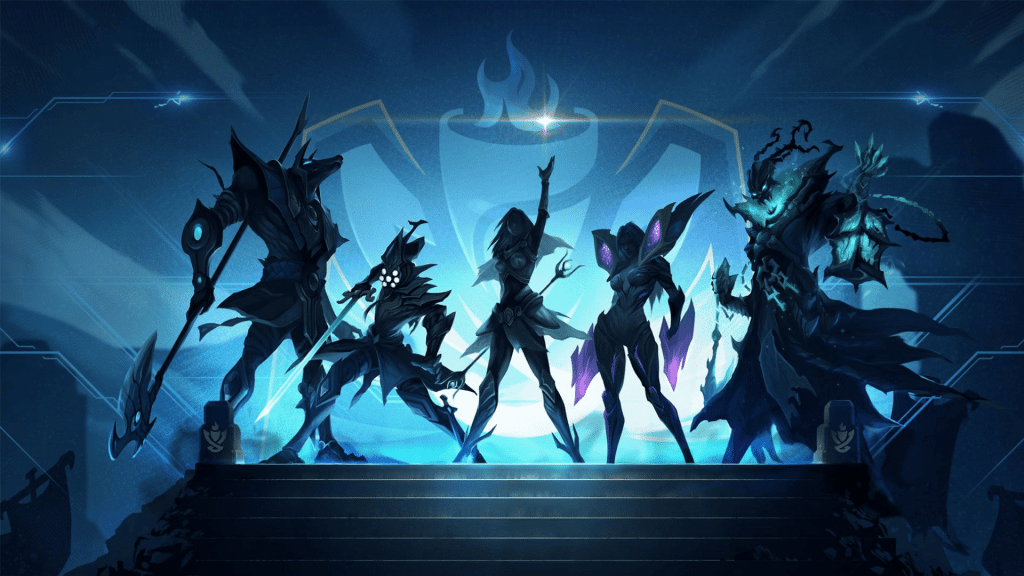
League of Legends Clash is a competitive tournament mode where 5 players form a fixed team and play scheduled matches against similar skill groups.
It is designed for players who enjoy planning, teamwork, and real pressure games instead of jumping into random solo queue matches every time.
Clash runs only on selected weekends, monthly or bi-monthly, and teams must register ahead of time using tickets inside the League client.
Each event follows a bracket system, so teams play multiple games in one day, even if the first match does not go well.
Before every match, teams scout opponents, review champion stats, and prepare a proper draft instead of blind picking champions.
Overall, Clash feels closer to organized play than normal modes and gives friends a reason to treat each game seriously while still having fun together.
Eligibility Rules and Account Checklist
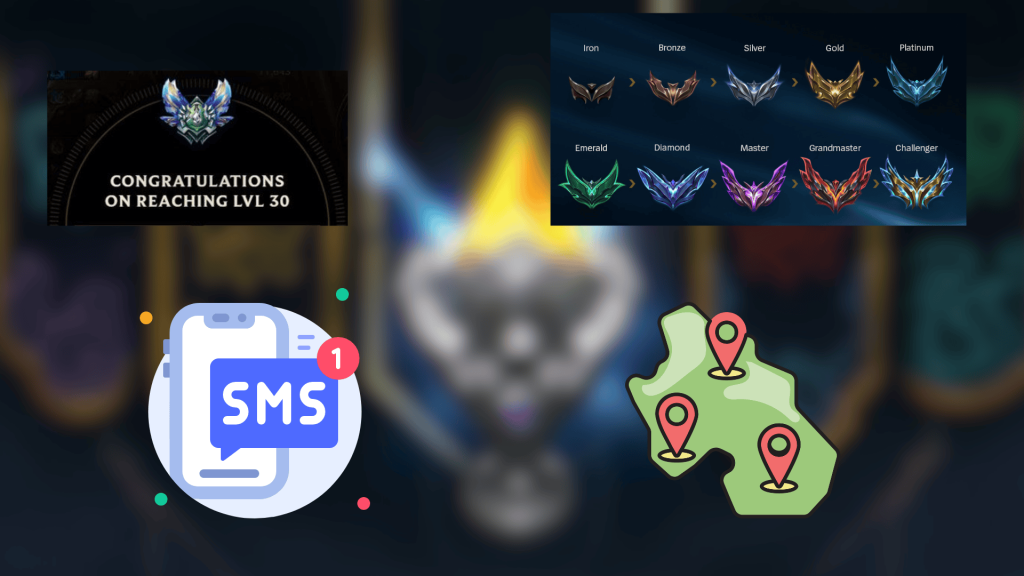
Before jumping into a Clash weekend, every player must meet a few account rules that Riot uses to keep matches fair.
Doing a quick check early saves you from stress when the lock-in time is close, and everyone is ready to queue.
- Your League account must be level 30 or higher and free from active bans or recent behavior restrictions.
- You need at least one ranked placement in the recent season so the system can judge skill level and place your team correctly.
- A verified phone number through SMS protection is required, and it must not be shared with another Clash account.
- Your account region must match your teammates, since Clash teams cannot mix regions or use transfers for events.
- Always open the Clash tab before tournament days and confirm your status shows eligible without warnings.
Once these checks are done, you are clear to register, join a team, and focus fully on drafts and games.
Forming Your Squad: Captain Setup and Team Duties
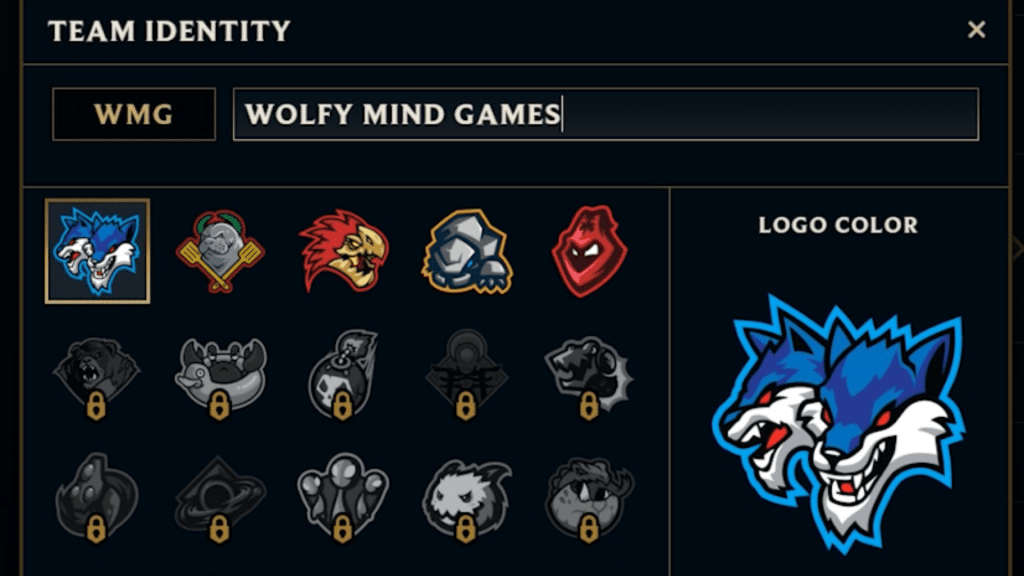
The captain handles team setup and must create the Clash team early in the week before tournament day opens inside the client.
After creating the team, the captain sets the team name, short tag, and logo, which later earn visual rewards when the team performs well.
Inviting players is also the captain’s job, and picking balanced roles helps avoid panic swaps right before lock-in starts.
Team tier placement depends on the highest-ranked player, so mixing ranks carelessly can push everyone into tougher brackets.
Captains can add substitutes, manage last-minute roster changes, and make sure every player submits a valid ticket on time.
Strong captains also talk with teammates, plan basic role comfort, and keep vibes calm so everyone plays better together.
Tournament Flow: From Ticket Entry to Bracket Wins
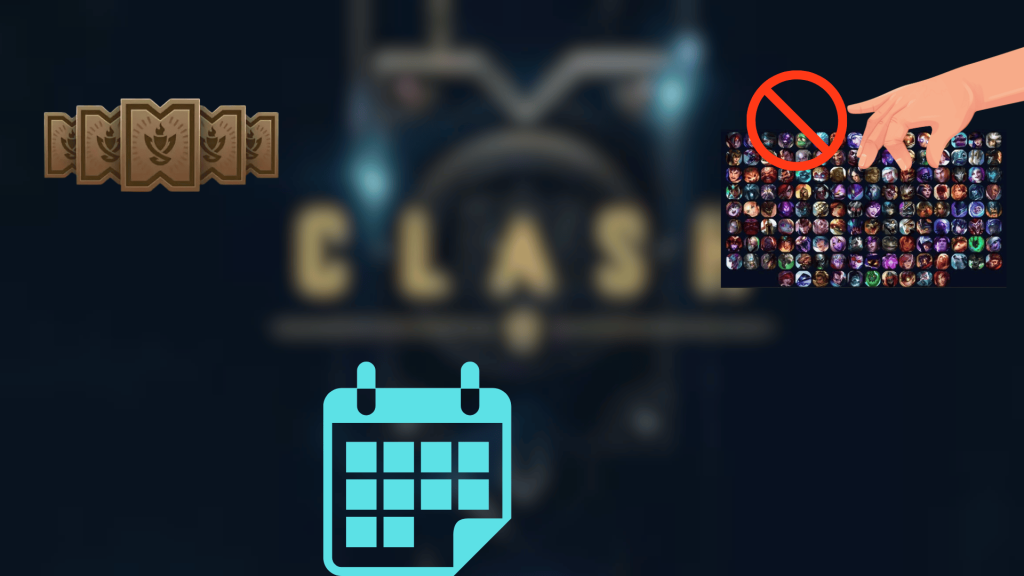
Clash follows a clear match flow that every team experiences, starting from ticket use and ending with final bracket results.
Knowing this order ahead of time helps teams stay calm, avoid missed steps, and focus fully on playing clean games.
- Every player submits a ticket before the event, after which the team waits for its tier-based lock-in window to open.
- Lock-in times vary by tier, so higher skill teams usually lock later to keep matchmaking balanced across the event.
- After lock-in, a short scouting phase begins, usually around 7 minutes, showing enemy stats, win rates, and champion mastery data.
- The draft phase starts next, where the captain controls bans and picks, and all champions are unlocked for every player.
- Teams play through a bracket system, where wins move you forward and losses still lead to consolation matches instead of instant exit.
- On multi-day events, teams can play again on the next day, even if the first day did not go perfectly.
Once the bracket ends, rewards are calculated based on wins, ticket type, and overall placement for that Clash event.
Tickets Explained: Basic vs Premium and When Each Makes Sense
Tickets are required for every Clash event, and each player on the team must choose one before lock-in time begins.
Your ticket choice affects reward quality only and does not change matchmaking, opponents, or bracket difficulty in any way.
This system keeps games fair while still giving players control over how much effort or money they want to invest.
| Feature | Basic Ticket | Premium Ticket |
|---|---|---|
| How You Get It | Earned from Clash missions or bought using Blue Essence or RP | Purchased using RP only |
| Cost | Free through play or a low-cost option | Paid option |
| Reward Quality | Standard rewards based on wins and losses | Higher value rewards with better loot outcomes |
| Mission Progress | Helps earn future Basic Tickets | Does not affect mission progress |
| Best Fit | Casual teams or first-time Clash groups | Regular Clash teams are aiming for stronger prizes |
Once lock-in happens, ticket choices are final, so teams should talk early and avoid rushing decisions before queue time.
Rewards: Trophies, Victory Points, and Prize Tables
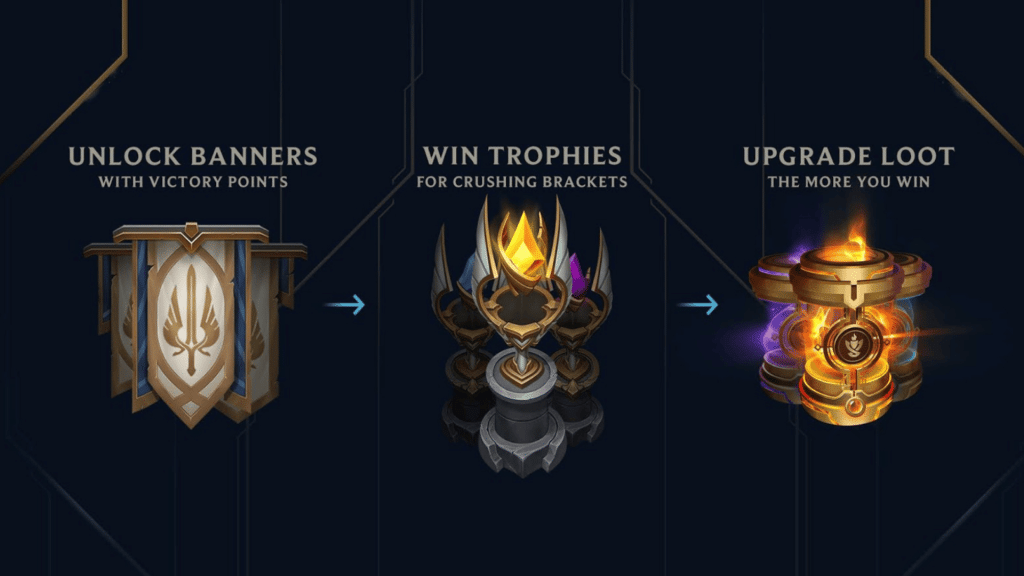
Clash rewards are based on wins, ticket choice, and team performance, giving every match value even when the bracket run ends early.
1. Victory Points and Team Banners
Victory Points are earned after every Clash win and help level up your team banner shown during games and on player profiles across the client.
Higher tiers gain bonus Victory Points per win, which means skilled teams progress banner levels faster across each Clash weekend event cycle overall period.
These banner levels change colors and icons, giving clear visual proof of how well your squad performed together in Clash that others notice clearly.
2. Orbs and Capsules by Wins
Orbs and Capsules are earned based on your final win count, giving teams loot even if the bracket run ends early during Clash events now.
Basic tickets reward Orbs with icons, boosts, shards, and sometimes future tickets, while Premium tickets upgrade rewards noticeably for committed teams each event cycle run.
Winning more games improves prize quality, so even one extra victory can shift rewards in a much better direction for your whole team’s overall outcome.
3. Clash Trophies and Seasonal Displays
Clash trophies are large in-game structures that appear on the Nexus, showing off your team’s success during matches clearly to opponents.
Winning teams also earn profile trophies and badges that display on player profiles, making past Clash results easy to spot later online.
These displays last for the current Clash season, so results stick around long enough to feel meaningful for your whole group experience overall.
Each new season refreshes trophy progress, giving teams a clean slate and a reason to compete again with friends during Clash weekends.
House Rules and Fair Play Limits
League of Legends Clash uses strict rules to keep matches fair, stable, and competitive during every scheduled tournament weekend.
There are no pause options or remake systems available, so teams must be fully prepared before the queue starts and handle problems calmly.
For Summoner’s Rift Clash games, sudden death rules activate at 60 minutes, causing structures to weaken and pushing games toward a clear ending.
ARAM Clash events follow a faster rule set, where sudden death begins at 40 minutes to prevent extremely long matches.
Teams are locked into tiers based on ranked skill, and mixing tiers or bypassing placement rules is not allowed under any condition.
These rules protect match quality and make sure wins feel earned through teamwork, not system abuse or shortcuts.
Pro Tips for Clash Night: Draft, Comms, and Easy Team Plans
Winning Clash often comes from preparation and teamwork habits rather than flashy plays or risky calls made during tense moments.
- Use scouting time to note comfort champions and bans so drafts feel calm and planned instead of rushed situations later on.
- Agree on simple win conditions before games start, like dragon focus or split pressure, so calls stay clear for everyone involved.
- Keep communication short and calm, with one main shot caller, to avoid talking over each other in the late game.
- Pick champions your team knows well, since comfort often beats meta picks when nerves hit during tournaments like Clash weekends.
- After each match, take a minute to reset mentally and keep vibes positive for the next game together as a team.
Clash rewards teams who stay organized and relaxed, making smart basics more important than trying to highlight plays every round played.
Conclusion
League of Legends Clash gives you a reason to plan, practice, and play smarter with friends instead of hoping for luck in random matches.
I enjoy how this mode rewards teamwork, calm thinking, and steady improvement rather than flashy plays that fall apart under pressure.
You get structure, fair matchups, and rewards that actually show time spent playing together as a team across multiple weekends.
Even rough starts still offer chances to learn, recover, and walk away with progress instead of wasted effort.
If you want games that feel meaningful and shared, Clash offers a solid space to build habits that last beyond one event.
Who would you trust as your Clash captain, and what role do you enjoy playing most on tournament nights? Tell us, share with us in the comments below.
Frequently Asked Questions
What Happens If a Player Disconnects Mid Match?
If a disconnect happens after the early remake window, the match continues without pauses, and the result counts normally for both teams.
How Do I Access Scouting for My Own Team?
Open the bracket view and click your team icon to see stats, champion history, and role data for teammates before the draft starts.
Are There Official Practice Modes for Clash?
There is no special practice mode for Clash, but Ranked Flex, custom games, and practice tool drafts work well for team prep.
What if I Need to Report a Bug During a Tournament?
Use the in-game report tool during the event or submit a support ticket after the match with match details and screenshots.