
Banned Pokémon cards are a small but wild part of the Pokémon TCG world, and they always get people talking.
The game looks bright and fun on the outside, but the competitive side can get sharp fast.
Some cards end up being too strong, too tricky, or just break the way the game is meant to run. When that happens, they get pulled from official play.
This blog explains why certain cards get removed, how those decisions affect gameplay, and what makes each card notable.
You also see how certain cards gained a name for their art or the way players tried to use them.
By the end, you’ll know which cards crossed the line, why the rules team stepped in, and what can be learned from the choices they made.
Why Do Certain Cards Get Banned?
Cards get banned when they change the game in ways that players cannot work around.
Some cards create loops that repeat without limits, while others hit the hand, deck, or board so hard that the opponent has no real turn to play.
A few cards speed up setups far beyond usual pacing, and some shut down whole strategies with one move. When these effects show up often, matches stop feeling fair or balanced.
The rules team steps in when a card keeps the game from running at a steady pace or removes key parts of normal play.
Their goal is to protect formats, keep games open for both players, and make sure matches come down to choices rather than one powerful effect.
When a card crosses that line, it is pulled from play to keep the game healthy.
The Complete List of Banned Pokémon Cards
Some cards shaped the game in ways players could not manage, and each one pushed the rules too far.
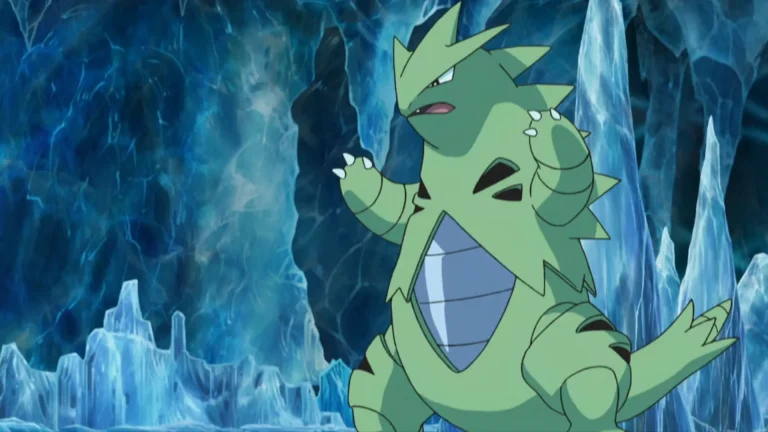
1. Archeops

Archeops became one of the most significant problems in play because it stopped both players from evolving.
Once it hit the field, decks built around steady growth could not function at all. Many turns felt pointless because players were stuck with basic forms that could not keep up.
This card made the whole strategy fail before it even started. It made the matches one-sided, so it had to be removed to keep things fair.
2. Chip-Chip Ice Axe

Chip-Chip Ice Axe caused trouble because it let a player control the top of an opponent’s deck over and over.
With the right mix of cards, this turned into a soft lock that stopped the other player from drawing anything helpful.
It slowed games and removed real decision-making. Instead of reacting and planning, players were stuck with weak cards every turn. That level of control was too strong, so the card was taken out.
3. Delinquent

Delinquent forced an opponent to drop three cards from their hand when no Stadium was in play. This hit hard early in the game when players needed every card to set up.
Losing three cards at once often ended a match before it got going. It pushed games toward fast, uneven starts and left little room for recovery.
Because it attacked the hand too easily, it created unfair swings that made it unsafe for official play.
4. Duskull

Duskull looked simple, but its ability created problems when paired with certain cards that let players reshuffle or reuse moves.
These mixes led to loops that let players control the top of their deck again and again. It removed randomness, making games feel fixed.
The card lets one player set every draw while the other has no chance to respond. When a single basic Pokémon can shape the whole deck like that, it becomes too strong.
5. Flabébé

Flabébé caused issues because it could search Fairy Energy from the deck again and again. With the right setup, players built loops that created endless energy gains.
This gave some decks steady power without any real cost. It also turned long matches into slow cycles that were hard to break.
Because the move could be repeated without limit, it pushed games away from usual pacing. That steady, free energy made it too strong for long-term play.
6. Forest of Giant Plants

Forest of Giant Plants lets Grass Pokémon evolve right away, even on the first turn. This pushed certain decks far ahead before the opponent could react.
It also allowed multiple evolution steps in one turn, which made strong Stage 2 cards appear almost instantly. Many matches became short because the early swing was too strong.
The card removed the natural pacing of growth. Once it was gone, Grass decks had to build in a fair way again.
7. Ghetsis

Ghetsis caused problems because it let a player look at an opponent’s hand and drop all their Item cards. Early in the game, this hit harder than expected.
Item cards help players set up, draw, and find key tools. Losing them all at once made matches feel hopeless for the other side.
The card brought too much disruption for a single Supporter. It also pushed certain decks into heavy control, so it was banned to protect fair starts.
8. Hex Maniac

Hex Maniac shut down all Pokémon abilities for a complete turn, and that one move could stop entire decks. Many decks rely on abilities to draw, search, or set up.
When this card was used at the right time, it froze the game and left the other player stuck. It also limited new ideas because players avoided ability-based builds.
The power to shut down so much with one card made it unsafe for balanced play.
9. Island Challenge Amulet

The Island Challenge Amulet caused issues because it changed how Prize cards worked.
Some decks used it to lower their own Pokémon’s HP on purpose, which set up strong late-game moves that were too hard to counter.
It also created odd interactions with cards that cared about Prize counts. Since it twisted core rules and boosted certain setups too much, it was removed from play.
10. Jessie & James

Jessie & James made players discard two cards from their hand, which hit especially hard during early turns.
When used with other discard tools, it could wipe out most of an opponent’s hand before they had a chance to build anything.
This led to one-sided starts and took away the chance to recover. It gave too much control to a single Supporter. Because it created fast swings, it was banned to keep matches steady.
11. Lt. Surge’s Strategy

Lt. Surge’s Strategy lets a player use three Supporters in a single turn if they are going second. This created major swings because Supporters often provide strong effects like draw, search, or disruption.
Using three at once made some turns explosive and removed the slower pacing that the game depends on. It pushed certain decks far ahead before an opponent could act.
Because it broke the turn flow so easily, it was removed for balance.
12. Lysandre’s Trump Card

Lysandre’s Trump Card reshuffled both discard piles back into decks. This seems helpful, but it removed the idea of running out of resources.
Players could loop key cards forever, leading to slow games that never reached a clear end. It also made strategies built on discard control pointless.
The card removed a major limit of the game: managing resources. Without that limit, many decks became too strong, so the card was banned.
13. Marshadow

Marshadow became a problem because it copied Supporter effects from the discard pile. With the right setup, this lets players reuse strong Supporters again and again.
It created turns with too much draw or disruption, which made matches feel uneven. Some combos hit so hard that opponents had no chance to build their board.
Since the card repeated moves that were meant to be used once per turn, it pushed things out of balance.
14. Maxie’s Hidden Ball Trick

Maxie’s Hidden Ball Trick lets players place a Fighting Stage 1 or Stage 2 Pokémon straight onto the field from the discard.
This skipped the normal evolution steps, giving certain decks a fast advantage. It also paired well with cards that let players empty their hand quickly, making it easy to activate the effect.
When strong Stage 2 Pokémon hit the field on turn one, the game tilted too fast. This led to its ban.
15. Milotic

Milotic caused trouble because it could search Energy from the deck while healing. When used the right way, this turned into loops that kept decks running without slowing down.
Players could power up attackers faster than usual and stay healthy at the same time. Some builds stretched matches by repeating the same turns endlessly.
Since it removed natural limits on energy gain, it made certain strategies too strong. This led to the card being placed on the ban list.
16. Mismagius

Mismagius forced an opponent to shuffle their hand into their deck and draw only four cards. When used early, this broken setup turns and stops decks from getting key tools.
Some builds even damaged their own Mismagius to trigger extra effects, creating wild swings before the opponent could react.
It shaped early turns too much and took away any chance for recovery. Because it pushed games into sudden control states, it was banned.
17. Oranguru

Oranguru caused trouble because it allowed players to place cards from their hand at the bottom of the deck and draw new ones.
With certain setups, this created loops that gave steady control over draws. It also helped players cycle through their deck without losing speed.
Some combos made it easy to repeat strong turns while keeping the deck full. Since it gave too much card control with little cost, it became unsafe for balanced play.
18. Puzzle of Time

Puzzle of Time became a problem when players used two copies at once. This allowed them to pick any two cards from the discard pile, which opened the door to repeat combos.
It also made it easy to rebuild turns that should have slowed down. Some decks used it to recycle key tools over and over.
Because it removed normal limits on card recovery and made loops too simple, it was taken out.
19. Red Card

Red Card forced a player to shuffle their hand into their deck and draw only four cards.
When used on the first turn, this wrecked setup plans and kept players from finding what they needed. It turned early games into sudden swings with little chance to respond.
Some decks paired it with other control tools to lock hands down even harder. Because it caused too much early disruption, it was banned.
20. Reset Stamp

Reset Stamp dropped an opponent’s hand size to match their Prize count. This became a strong comeback move, but sometimes too strong.
When used late in the game, it left the other player with almost nothing to work with. It also paired well with control decks that wanted to slow matches down.
Games often flipped from steady to one-sided with just one play. Since it shaped late turns too sharply, it was removed.
21. Sableye

Sableye’s Junk Hunt lets players recover two Item cards every turn. With the right mix, this created loops that never stopped.
Players could repeat strong moves, reuse key tools, and outlast nearly everything. Matches dragged on because Sableye gave steady control with no drawback.
It made resource management pointless and pushed certain decks far above others. Because it supported endless loops, it was banned to protect fair play.
22. Scoop Up Net

Scoop Up Net lets players pick up non-GX or EX Pokémon and reuse their abilities. This became a problem with Pokémon that had strong draw or search effects.
Some decks used it to repeat the same move several times a turn. It also helped create loops that pulled matches away from normal pacing.
Since the tool made it easy to reset powerful skills without cost, it was removed from play.
23. Shaymin-EX

Shaymin-EX offered fast draw power with its Set Up skill, which let players refill their hand to six cards when it entered play.
When paired with bounce tools, it could repeat this draw over and over in a single turn. This made early games feel uneven because some decks gained speed that others could not match.
It shaped the first turns too much, making slow setups fall behind instantly. Because of this heavy impact, it was banned.
24. Unown (90/214)

This Unown had an ability that created unfair hand control when paired with certain support cards. Some builds used it to set up tricky loops that shaped the flow of every turn.
It also made it hard for the opponent to keep a steady hand. The card pushed matches into odd patterns where one player always had the advantage.
Since it disrupted regular play too easily, it was removed from official formats.
25. Unown (91/214)

This version of Unown caused issues because its ability helped create strong draw loops and deck control.
When matched with the right pieces, players could move through their deck too quickly and skip normal pacing. It also lets them plan several turns with little risk.
These loops made games feel fixed instead of interactive. Because it opened the door to too many control tricks, it was added to the ban list.
Why Do These Cards Matter?
These cards matter because they shape how players build decks and how the game stays fair.
- Stopping unfair wins: Some bans prevent decks from ending games too quickly, leaving opponents with no chance to respond or adjust.
- Encouraging balanced play: Limits on overly strong cards push players toward steadier strategies instead of relying on a single overpowering trick.
- Shaping future design: Each removed card helps designers understand which mechanics disrupt normal gameplay and should be avoided or refined.
- Preventing stalled matches: Problem cards are often banned to stop endless loops, locked turns, or situations where progress becomes impossible.
- Protecting full strategies: Certain bans exist to keep entire playstyles from being shut down by one card or interaction.
- Setting clear boundaries: Strong rules guide future card releases so new abilities remain manageable and fair.
Conclusion
Banned Pokémon cards may sound like a small part of the game, but they show how fast the Pokémon TCG can shift when one card goes too far.
These cards changed matches, forced new rules, and shaped how players think about fair play.
When a card bends the game in a way that stops real turns or creates loops that never end, it hurts more than one format. It changes how people learn, build decks, and enjoy the game.
By looking at these bans, you see how the rules team works to keep things steady and open for both players.
You also get a better feel for what might get pulled next and why some ideas don’t fit long-term play.
Which banned Pokémon card surprised you the most?
Share your thoughts in the comments below.