
When I first heard about Nocturne, I couldn’t decide what to think. Was he a powerful figure like a god, or was he something darker, more like a demon?
The mystery around him makes people curious and even a little uneasy. Stories say he was born from fear itself, which makes him different from any creature with a clear origin.
He exists beyond age, appearing wherever fear arises. That is what makes him so puzzling.
I often wonder if his power comes from the same place as ancient gods or from the shadows that haunt nightmares. I’ll share insights into Nocturne’s origins, age, and what makes him so unusual.
Nocturne’s Early Existence
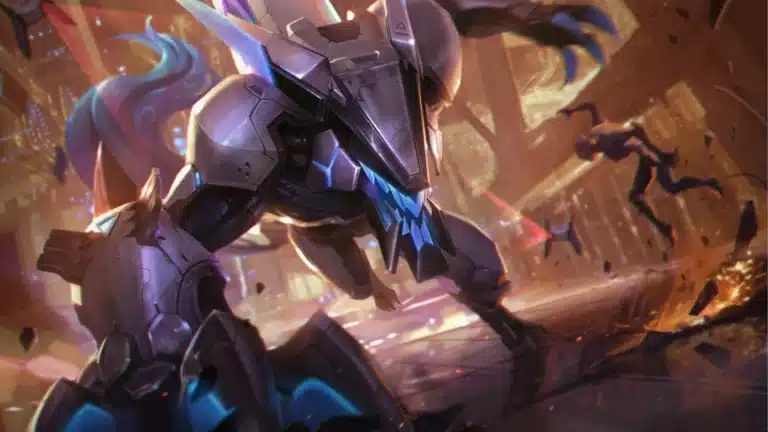
Nocturne’s story begins in the world of League of Legends, where he first appeared as a figure born from pure darkness.
He is not a creature of flesh and blood but a shadow shaped by fear itself.
Different sources describe him as the result of twisted magic, a nightmare that broke free from the dream world. Instead of being tied to a single place or time, Nocturne drifts wherever fear is strongest.
He represents the terror people feel when trapped in bad dreams, feeding on the emotions that come with them.
This link to nightmares and the spiritual world makes him stand out as more than just another monster. He is fear made real, a shadow that thrives on human dread.
Nocturne’s Age and Origins
Nocturne’s true age remains shrouded in mystery, with some suggesting he has ancient origins while others view him as a more recent creation.
In ancient civilizations, night gods and spirits were widely revered or feared, but there’s no clear evidence directly linking Nocturne to these early mythologies.
Medieval lore linked night to demons and darkness, though Nocturne’s place remains uncertain.
In modern times, Nocturne has been embraced by popular culture, appearing in video games, books, and movies, where his character evolves with new stories and traits to captivate contemporary audiences.
God or Demon: The Two Faces of Nocturne
Nocturne’s true nature is debated. Some view him as a godlike force tied to primordial darkness and mystery, while others see him as a demon feeding on fear and despair.
The contrast highlights how deeply he is rooted in both reverence and dread.
| Nocturne as a God | Nocturne as a Demon |
|---|---|
| Linked with primordial darkness, older than the world itself | Embodies chaos and darkness, feeding on nightmares |
| Inspires not only fear but also reverence and respect for his power | Shows a cruel nature, thriving on harm and despair |
| Night is often treated as divine in myths; Nocturne is seen as a force of cosmic balance | In folklore, night beings are often demons tied to evil and danger |
| Connects to mystery and the unknown, traits of gods ruling unseen realms | Bringer of fear and dread, matching traditional demon roles |
The True Nature of Nocturne: Beyond Labels
Nocturne’s true nature is not easily defined by simple labels like demon or god. Night itself holds two sides; it can bring fear and danger, but it also offers calm and rest.
Nocturne can be seen as more than just a being; he is a symbol of this deep, mysterious power. Darkness is important because it balances light, just like night balances day.
Light helps us see, while darkness gives space for dreams, mystery, and quiet.
Nocturne shows this balance, reminding us that what feels scary can also be natural and even peaceful, revealing the hidden side of the world.
The Symbolism of Fear in Nocturne’s Story
Nocturne’s story uses fear as a powerful symbol of his existence. He embodies pure, primal fear found in nightmares, feeding on the terror that comes from the unknown and uncontrollable.
Unlike typical fears tied to specific things, Nocturne represents an abstract, overwhelming dread that lurks in the subconscious.
His very nature shows how fear can be both a source of strength and destruction, making him a living nightmare. This symbolism highlights humanity’s deep psychological vulnerability and the way fear can consume and paralyze.
Nocturne’s presence in stories and games taps into this universal anxiety, illustrating how fear shapes not only his power but also his terrifying influence over the mind.
This makes him a vivid symbol of fear’s darkness and power.
Nocturne in Myth and Folklore Parallels
Nocturne is a shadowy figure representing fear and nightmares, combining ancient mythological themes with modern storytelling. His story echoes demons across cultures, showing the shared fear of night.
| Aspect | Nocturne | Mythological/Folklore Parallels |
|---|---|---|
| Origin | Mysterious, possibly ancient or modern creation | Lilith (Sumerian demon), Night Hag (European folklore) |
| Nature | Embodiment of fear and nightmares | Succubus/Incubus (demonic night spirits), Night Hag (sleep paralysis demon) |
| Role in Folklore | Harbinger of terror and night fears | Causes sleep paralysis or nightmares in victims |
| Symbolism | Fear as power and corruption | Fear and death, life-draining spirits |
| Appearance | Shadowy, intangible, night demon | Often depicted as female demons or dark spirits |
| Cultural Reach | Modern media (games, books) | Ancient Mesopotamian, European, and other regional myths |
Conclusion
Nocturne leaves us with more questions than answers, which is why he feels so powerful and unforgettable. He is not simply a figure of darkness but a reminder of how fear shapes the way we see the world.
Stories about him show how humans have always tried to explain the things that scare us, from the night to the unknown.
By giving shape to those fears, Nocturne becomes more than just a character; he is a mirror of the hidden parts of ourselves. Thinking about him forces us to face both the light and the shadow in our lives.
Nocturne continues to stand as a lasting symbol of mystery, fear, and the secrets we may never fully understand.
If his mystery fascinates you, you may also enjoy my post where I look at his actual strength in League of Legends, covering his powers, damage, tiers, and counters.