


Video games are often blamed for wasted time, yet millions of people play them every day for a reason. What if gaming is not just fun, but also useful for your brain?
This question has sparked debates among parents, teachers, and researchers alike. Many now ask why video games are good for you, while others still focus on why video games are bad.
In this blog post, I break down both sides clearly and simply.
I explain how video games can help improve memory, problem-solving skills, focus, and spatial awareness.
At the same time, I also cover why video games can be bad for you when they are overused or poorly managed.
By the end, you will have a balanced view that helps you understand how gaming affects
Why are Video Games Good for You?
Video games can offer real benefits when played in a healthy and balanced way. Many games are designed to challenge the brain, improve focus, and build useful mental skills.
Below are some key cognitive benefits that explain why video games are good for you.
1. Video Games and Memory Improvement
Many video games require players to remember rules, storylines, maps, and goals. This constant use of memory helps strengthen short-term and working memory.
For example, role-playing and strategy games often ask players to recall details from earlier levels to move forward.
Over time, this practice can help the brain get better at storing and recalling information, which is useful in school, work, and daily tasks.
2. Video Games and Spatial Awareness
Many video games, especially 3D and action-based ones, help improve spatial awareness. Players must understand distances, directions, and movement within a virtual space.
Navigating maps, aiming accurately, and reacting to moving objects all train the brain to process space better.
These skills can help with real-world tasks like driving, reading maps, sports, and even understanding visual information more clearly.
3. Faster Reaction Time and Better Focus
Fast-paced video games require quick reactions and steady attention. Players often need to respond to visual and sound cues within seconds.
This repeated practice can improve reaction time and help players stay focused for longer periods.
Games that involve multitasking, such as managing resources while responding to threats, also train the brain to handle multiple tasks at once without losing concentration.
Emotional and Mental Health Benefits of Gaming

Video games can support emotional balance by helping players relax, connect with others, and healthily manage stress.
1. Stress Relief: Playing video games can help reduce stress after a long day. Games offer a break from daily pressure and allow the mind to relax. This can help players feel calmer.
2. Mood Improvement: Video games often give a sense of achievement through levels, rewards, or goals. This feeling can boost mood and create positive emotions.
3. Sense of Control: Games allow players to make choices and see results right away. This sense of control can be comforting and help reduce feelings of helplessness in daily life.
4. Social Connection: Multiplayer and online games help people connect with friends or meet new players. Talking, teaming up, and sharing goals can reduce loneliness and build social skills.
5. Mental Relaxation: Focusing on a game can help distract the mind from worries. This mental break can support emotional balance and give the brain time to reset.
How Video Games Improve Problem-Solving Skills?
Video games often place players in situations where they must think, plan, and act to move forward.
Many games present challenges that do not have one clear solution, which pushes players to try different approaches.
If one method fails, players learn to adjust and try again. This process builds logical thinking and patience.
Strategy and puzzle games also teach players how to break big problems into smaller steps.
Over time, these skills can help in real life by improving decision-making, planning tasks, and handling unexpected challenges with a calm and thoughtful mindset.
Why are Video Games Considered Bad?
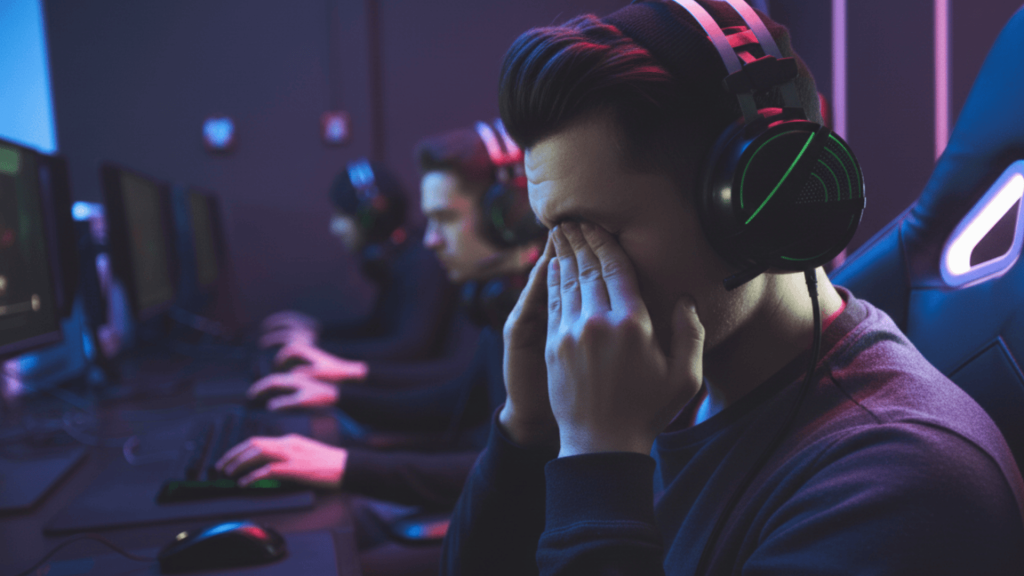
While video games can offer benefits, problems can arise when gaming is not balanced with other daily activities. Understanding these downsides helps explain why they are bad for some people.
1. Excessive Screen Time
Spending too much time playing video games can lead to long hours in front of a screen. This may cause eye strain, headaches, and poor sleep habits, especially if gaming happens late at night.
Too much screen time can also reduce time spent on schoolwork, hobbies, or face-to-face interaction.
When gaming replaces important daily routines, it can slowly affect overall health and focus.
2. Reduced Physical Activity
Video games are mostly a seated activity, which means less movement during the day. When gaming takes up too much time, people may skip exercise or outdoor play.
Over time, this lack of physical activity can affect posture, energy levels, and overall fitness.
Staying active is important for both physical and mental health, so gaming should not fully replace movement or exercise.
3. Poor Time Management
Some games are designed to keep players engaged for long periods, which can make it hard to stop playing.
This can lead to poor time management, where important tasks like homework, chores, or work deadlines are delayed.
Without clear limits, gaming sessions can stretch longer than planned. This is one reason why video games can be bad for you when balance is missing.
When Does Playing Video Games Turn Bad for You?

Video games can become harmful when overused, especially if they interfere with sleep, focus, social life, and daily responsibilities.
1. Mental Fatigue: Playing video games for long hours without breaks can tire the brain. This may lead to poor focus, low motivation, and feeling mentally drained during daily tasks.
2. Sleep Problems: Excessive gaming, especially at night, can disturb sleep patterns. Bright screens and late-night play may make it harder to fall asleep and wake up refreshed.
3. Increased Stress: Competitive or intense games can raise stress levels when played too often. This may cause frustration, irritability, or mood changes over time.
4. Social Withdrawal: Overuse of video games can reduce face-to-face interaction. This may lead to isolation if gaming replaces time with family, friends, or social activities.
5. Impact on Work or School: Too much gaming can affect productivity. Missed deadlines, poor focus, and lack of routine are common when gaming is not well managed.
Playing Video Games in Limit
When used with intention and balance, video games can support learning, relaxation, and mental growth without taking time away from important daily habits.
- Choose Skill-Based Games: Pick games that build thinking and planning skills.
- Play With Purpose: Decide why you are playing before you start.
- Use Gaming as a Reward: Play after finishing important tasks.
- Mix Game Types: Switch genres to support different skills.
- Notice Your Mood: Choose games that leave you calm or focused.
Conclusion
Video games are a part of modern life, and their effects depend largely on how they are used. When approached with balance and clear limits, gaming can support mental skills, focus, and healthy relaxation.
Issues often arise only when gaming begins to interfere with routines, responsibilities, or personal well-being. Knowing both the benefits and drawbacks makes it easier to use video games in a smarter way.
Rather than avoiding them completely, it is more helpful to build better habits and make thoughtful choices. Everyone’s experience with gaming is different, and shared insights can be valuable.
If this blog post helped you understand gaming more clearly, leave a comment below and tell us how video games fit into your daily life.