
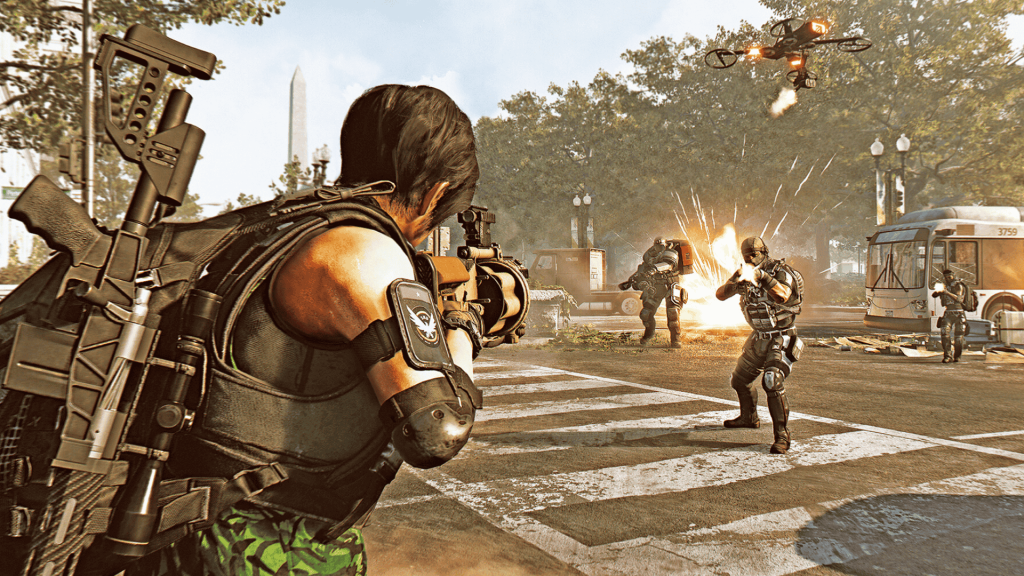
If you want a simple shooter game that mixes clear fights with steady loot, then Tom Clancy’s The Division 2 is best for you.
This game drops you into a broken Washington, D.C., where you move through messy streets, clear small camps, and follow missions that stay easy to understand.
Being an action RPG with online multiplayer availability, it’s one of the highest-rated games on online platforms.
Some players look for calm answers about what feels smooth and what feels rough since this game lands nicely in some areas and slips in others.
I will be giving a detailed review of this game, with all breakdowns, and with proper advice from online discussions to help you choose whether this game is worth your money or not.
About Tom Clancy’s The Division 2
Tom Clancy’s The Division 2 is a third-person loot shooter that dropped on March 15, 2019, for PC, PlayStation 4, and Xbox One, and further patch updates to make it stable for PS5 & Xbox Series X.
The game puts you in a broken Washington, D.C., where you play as an agent who tries to help the city bounce back from chaos.
It needs a real-time internet connection because the world and fights run on the game servers, so zero offline play is possible.
Many players still jump in because the mix of shooting and gear feels smooth and easy to learn.
The game also works well for solo fans, even though it was clearly built for team play. You can chill alone or team up with friends who enjoy slow pushes, wild fights, or relaxed loot runs together.
This helps the game stay busy and gives you a lot to test before you move into deeper parts later.
Story & Setting: How Strong Is The Division 2’s Narrative?
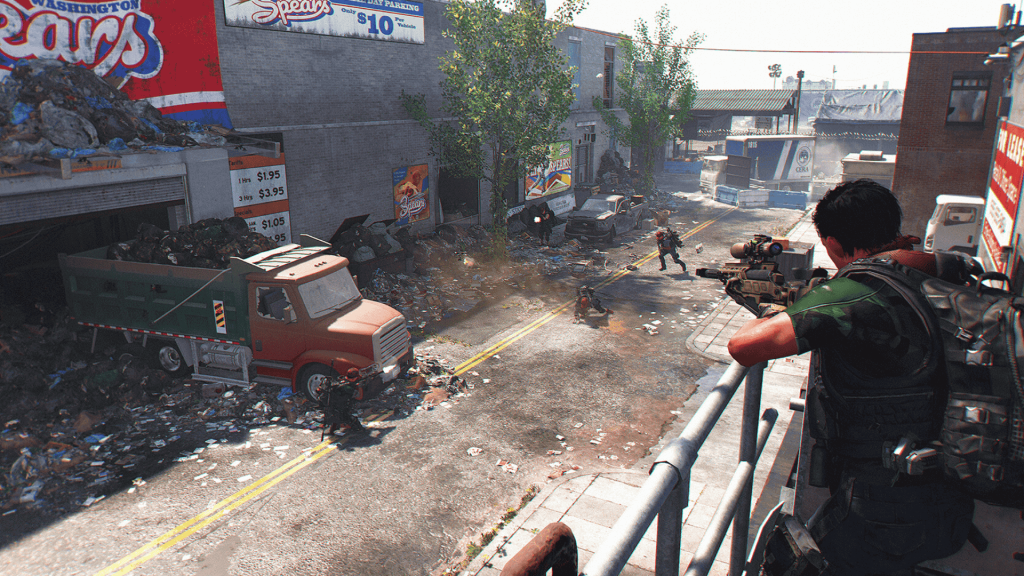
The story takes place after Green Poison, also called Variola Chimera, spreads across the country when Dr. Gordon Amherst uses smallpox research to make a deadly strain.
Washington D.C. loses control fast, and the streets fill with groups that fight for gear, power, and safe spots.
You play as an agent who answers a call for help and reaches the White House, which becomes your main base during the early missions.
- You help people in small camps, clear out dangerous groups, and rescue President Ellis.
- Black Tusk arrives with advanced gear and reveals Ellis’s secret ties.
- New York missions follow Aaron Keener and his plan to release another virus.
The story starts simply with helping people around D.C., but grows bigger once Ellis vanishes, and Keener activates ANNA, which sends things in a rough direction.
Gameplay Review: Combat, Gunplay, Skills & Build Crafting
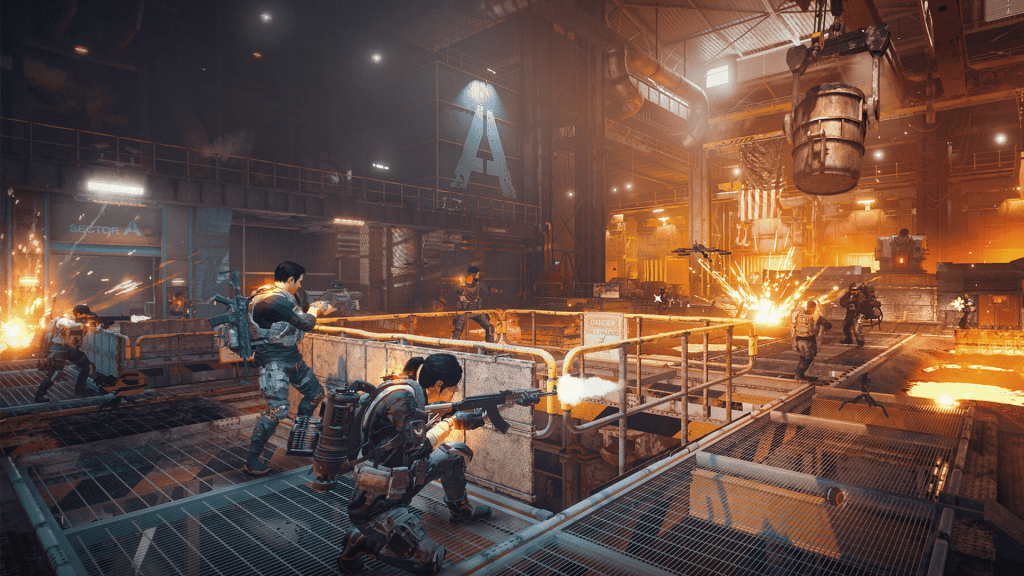
The gameplay feels solid for most players, though some parts hit well while others slip a bit, which keeps things sitting in a middle range overall.
- The gunplay feels smooth with clear feedback, but the cover system feels stiff, which makes fast moves tricky when enemies try to push around you.
- Skills like drones and turrets take pressure off you, yet some skills feel weak later because damage falls behind when missions get tougher.
- Gear builds let you test new styles, but good items drop slowly, which causes long grinds that some players get tired of pretty fast.
- Enemy AI stays active and pushes hard, which feels exciting, but sudden spawns behind you can feel cheap and break the flow during fights.
- Weapons feel strong early on, though late missions can feel slow because some enemies take too many shots, which lowers the fun a bit.
Overall, the action feels lively with simple tools, but small rough edges hold it back from feeling smooth all the time.
Graphics, Performance, & Technical State
The graphics look clean with sharp details across D.C., but the game still has ups and downs that depend a lot on your setup and platform choice during long sessions.
| Area | How It Feels |
|---|---|
| Visuals | The city looks clear with strong lighting, but some textures load slowly, which causes short pauses that break the smooth look a bit. |
| Performance | The game holds steady frames on most systems, although some players report dips during busy fights or storms that push hardware pretty hard. |
| Stability | Many players run the game without big trouble, yet some still see random freezes or crashes that show up more often on older machines. |
The game looks good for its age, but small hiccups and random slowdowns remind you that performance still depends heavily on your hardware and system settings.
Open World Experience: Exploration & Mission Design
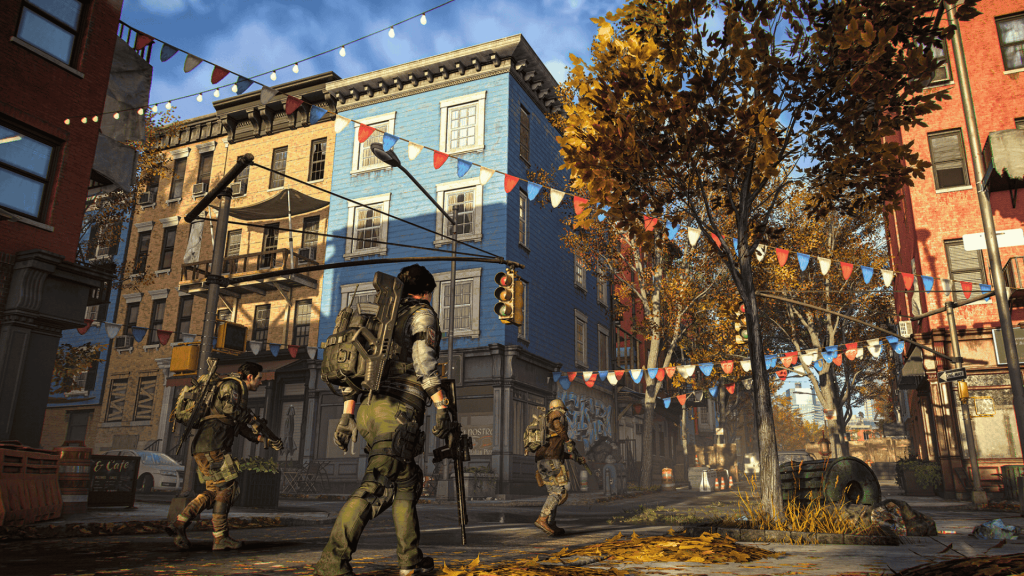
The open world gives you a clear view of Washington D.C. with broken streets, empty parks, and busy fights that show how rough things look after the virus spreads.
The map has many small spots with notes, signs, and ruined areas that help you understand what people face every day.
The city stays active with events that show up often, although some repeat quickly and lose surprise, which makes long sessions feel slow at times.
Moving between areas feels steady, but some routes look similar, which makes parts of the map blend together when you play for many hours.
Missions use simple layouts with clear rooms and cover spots that guide the fights well, yet many players say they can predict big fights because enemy waves show up the same way.
Multiplayer Modes Explained: Co-op, Raids, Dark Zones & PvP
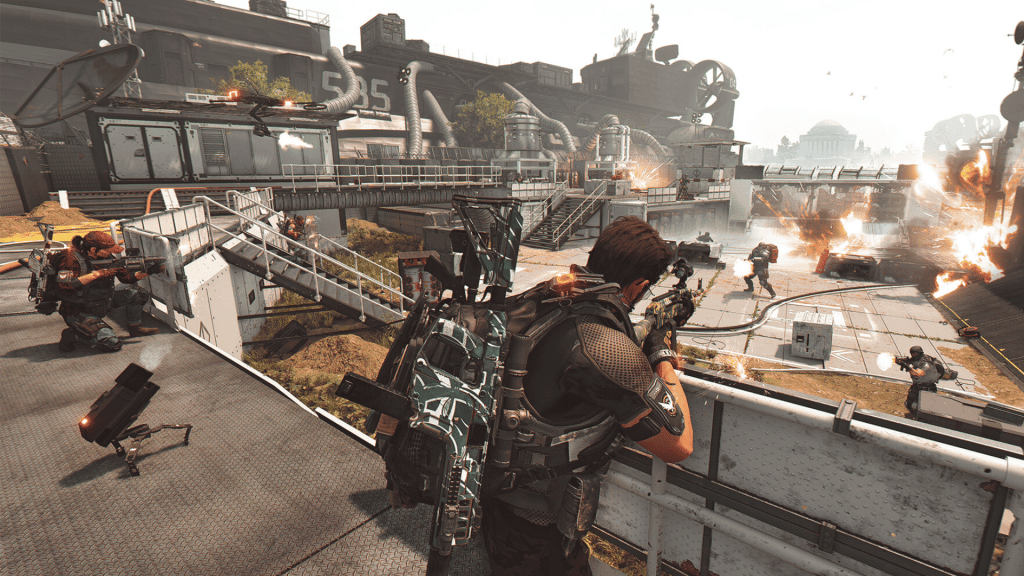
The multiplayer side feels busy and offers many ways to play with friends, but the experience can swing between fun and rough depending on the mode you choose.
- Co-op missions scale well for mixed groups, although some fights feel messy when enemies rush every corner too fast.
- Raids feel strong for players who enjoy long fights, but they need complete teamwork, which makes them challenging for random groups.
- Dark Zones offer high rewards, yet sudden attacks from other players can feel cheap and push solo players away.
- PvP modes run fast and simple, but balance shifts often, which makes some weapons feel way stronger than others.
Multiplayer stands out because it gives you many choices, yet the uneven balance and tough teamwork parts can make certain modes feel tiring after long runs.
Endgame Content & Progression
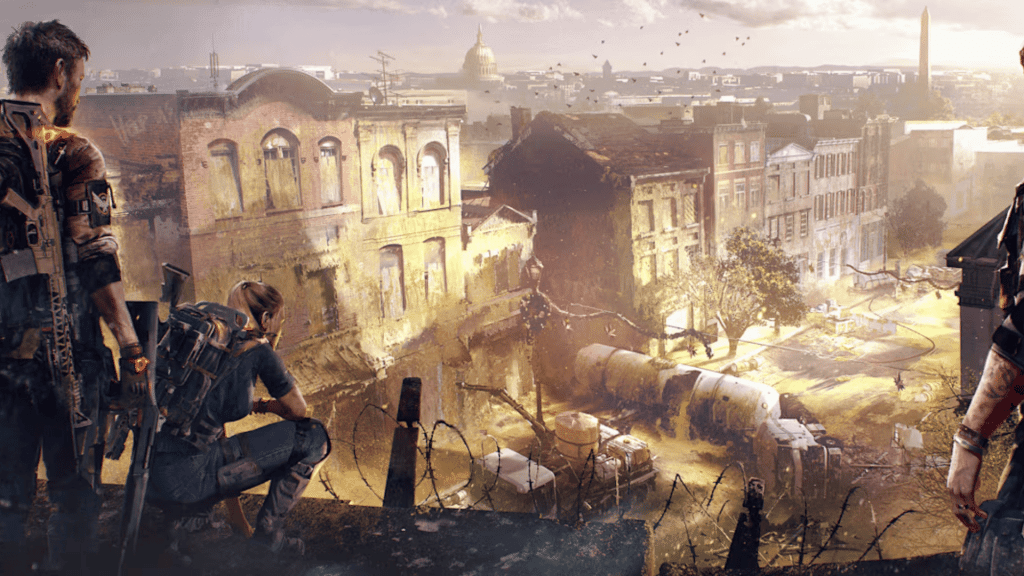
The endgame gives you plenty to do, and it feels large at first, but some parts start to drag when the grind shows up in longer sessions.
- World tiers raise the challenge slowly, but moving between them can feel slow because gear upgrades land in tiny steps that take patience.
- Specializations add new weapons that change your play style, yet some feel weak later, which pushes players toward the same safe choices.
- Modes like Summit and Countdown offer steady action, but they repeat fast, which makes long sessions feel flat once enemies start using similar moves.
- Loot drops come often, although sorting items takes time, which can make the grind feel more like busy work than real progress.
- Seasons add new targets and tasks, but the pace can feel slow for players who want fresh goals more often than the game offers.
The endgame has size and variety, but the slow grind and repeat tasks keep it from feeling sharp after many hours.
What Do Players Think: Community Feedback
Many Reddit and Steam posts talk about how the game feels strong in some areas yet rough in others, which keeps the overall mood very mixed across long threads.
Players often call out good moments while also pointing at clear weak spots that show up more once the grind grows.
- Many players enjoy the game for calm sessions and say co-op feels smooth since teaming up happens fast without stress.
- Some folks say the upgrade tools feel confusing because parts like the Library or Expertise pages take time to understand without simple help.
- Several players praise small changes like the FOV slider, while others miss the stronger sound and mood they remember from the first game.
Most players agree the game lands nicely with friends, but solo runs feel tough at times, which explains why the feedback stays split.
Is The Division 2 Worth Getting Today?
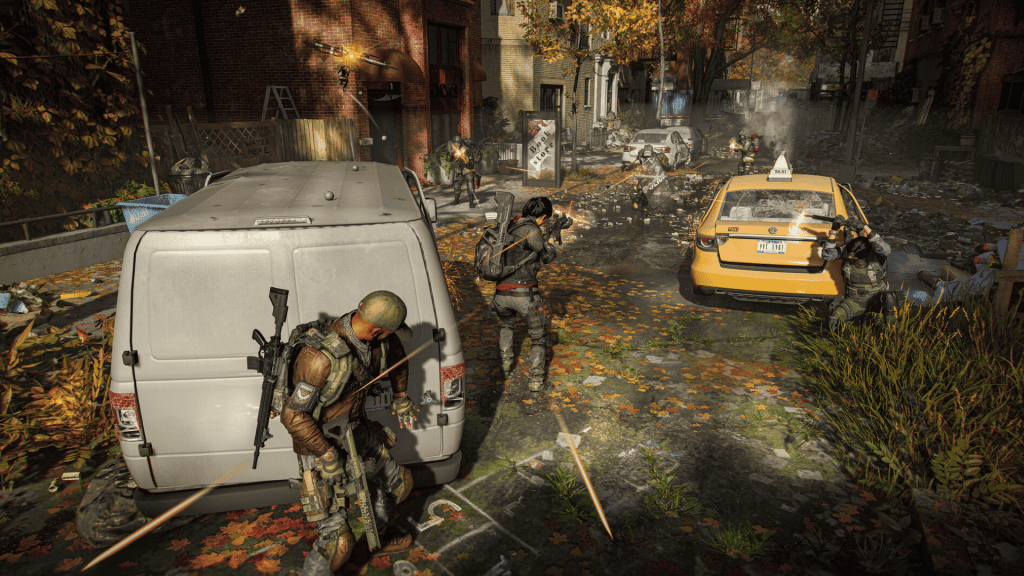
So the short answer is, Yes for players who enjoy steady loot shooters, and No for players who want fast progress or strong story beats.
If you enjoy slow loot runs, simple cover fights, and group play that feels easy to pick up during long or short sessions, the game is completely worth your money.
It has enough tasks to keep you busy, and many players still enjoy chilling with friends while clearing small camps or running quick missions together.
But if you dislike long grinds, slow drops, or systems that take time to understand without clear help, you won’t enjoy the game & in this situation, you should skip it.
The story also feels soft for players who want strong plot moments, which matters if you care about deep writing more than shooting.
Conclusion
The game offers steady shooting and calm moments across D.C. that may work well for you if you enjoy slow loot runs and simple team play.
While some parts of the game can be difficult & can take a lot of time for a specific section, the people who like slow progression will love it.
But if you want fast-paced progression, you can try other action role-playing games.
Your time with the game will depend on how much you enjoy slow progress mixed with clear fights across a large map that stays active without feeling too complex.
If you feel this game matches your taste or if something still holds you back, share your thoughts with us in the comments below.