
When I look back at the Total War series, I realize how much these games have shaped the way I enjoy strategy.
Each title brings its own mix of large battles, deep campaign planning, and moments that feel different every time I play.
I’ve spent years trying different factions, testing new strategies, and figuring out which games stayed with me the longest.
That’s why I wanted to put together my own ranking of the best Total War games.
This list reflects the games that stood out to me for their design, replay value, and the kinds of stories I could create on the battlefield.
If you’re new to the series or someone who’s played them all, I hope this ranking helps you find your next favorite Total War experience.
What Makes a Total War Game Worth Playing?
I find a Total War game truly worth playing when it blends epic real-time battles with deep turn-based strategy, delivering replayability through unique mechanics and faction variety.
The best entries immerse me in historical or fantasy worlds where every siege, diplomacy decision, and army clash feels meaningful.
Strong AI, polished campaigns, and innovative features like horde mechanics or gunpowder eras keep me hooked for hundreds of hours.
Ultimately, it’s the thrill of commanding thousands on vast maps while plotting empire-building conquests that makes the series addictive.
Top Total War Games in Order
The Total War series has released many strategy games over the years, each offering its own mix of large-scale battles and deep campaign gameplay.
1. Total War: Shogun 2
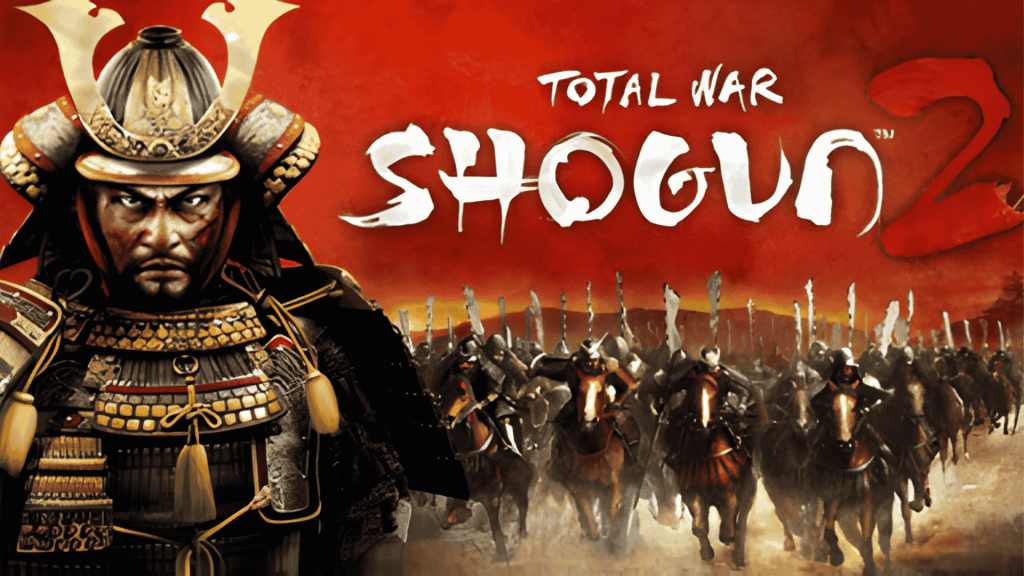
Even though it isn’t the largest game in the series, everything inside it feels incredibly refined and thoughtfully crafted.
I love the intimate scope; focusing entirely on Japan allows the atmosphere, music, art style, and faction identities to shine in a way few other Total War titles manage.
Every campaign feels coherent and stylistically unified, and the battles are some of the most satisfying in the franchise, demanding careful formations and smart positioning.
The Fall of the Samurai expansion remains my favorite piece of Total War content ever made; the clash between traditional samurai warfare and modern firearms never gets old.
2. Total War: Three Kingdoms
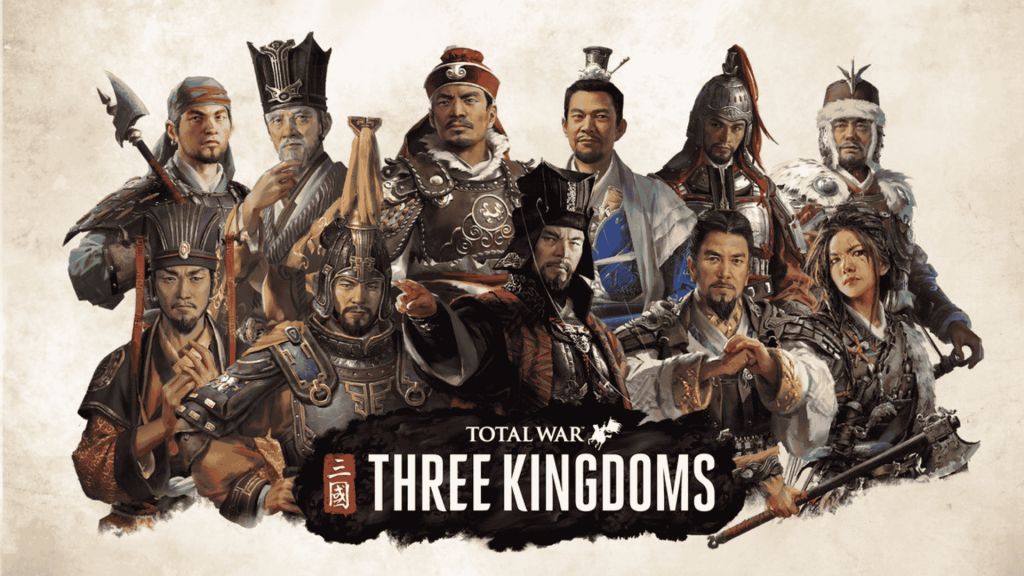
It feels like a greatest-hits version of Total War, pulling together the best elements from previous historical entries while embracing the character-driven flair introduced by Warhammer.
The character system, especially the emphasis on generals, adds emotional weight to every decision.
Whether I’m chasing an enemy warlord across China or forging alliances to reshape the political landscape, I always feel invested.
The campaign has a cinematic sense of progression that few Total War titles match. Battles are dynamic, beautiful, and full of personality.
3. Total War: Warhammer II
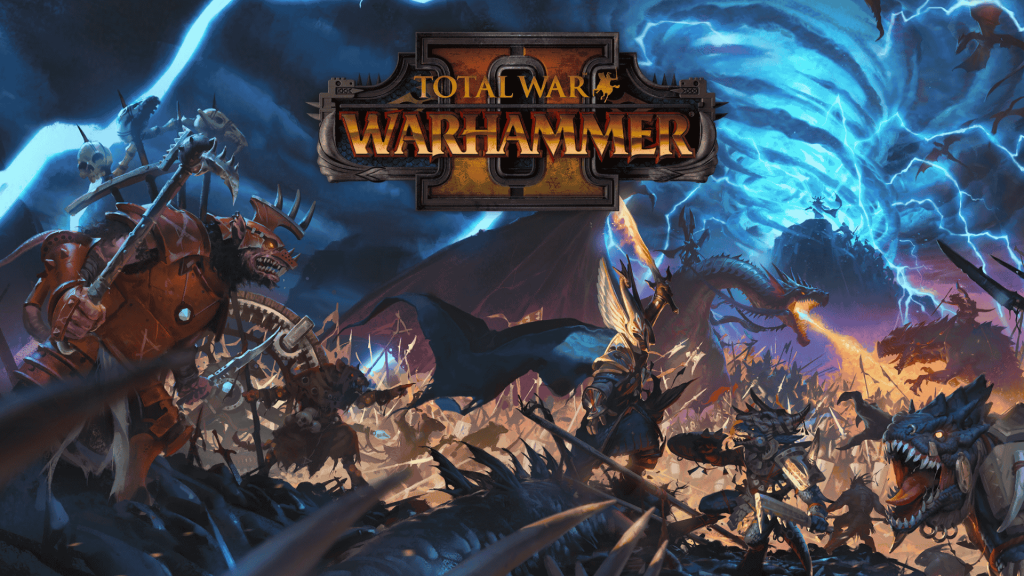
I’ll admit I doubted the Warhammer trilogy when Creative Assembly first announced it. A fantasy setting felt like such a departure from the historical roots I loved.
But Warhammer II proved me completely wrong. The variety across factions is unmatched; each one feels like a separate game with its own mechanics, culture, and playstyle.
The vast, vibrant campaign map is one of my favorites in the series, and the evolving endgame scenarios give the campaign a sense of direction and urgency many earlier games lacked.
The battles are spectacular, full of explosive magic, monstrous units, and over-the-top hero duels.
4. Total War: Empire
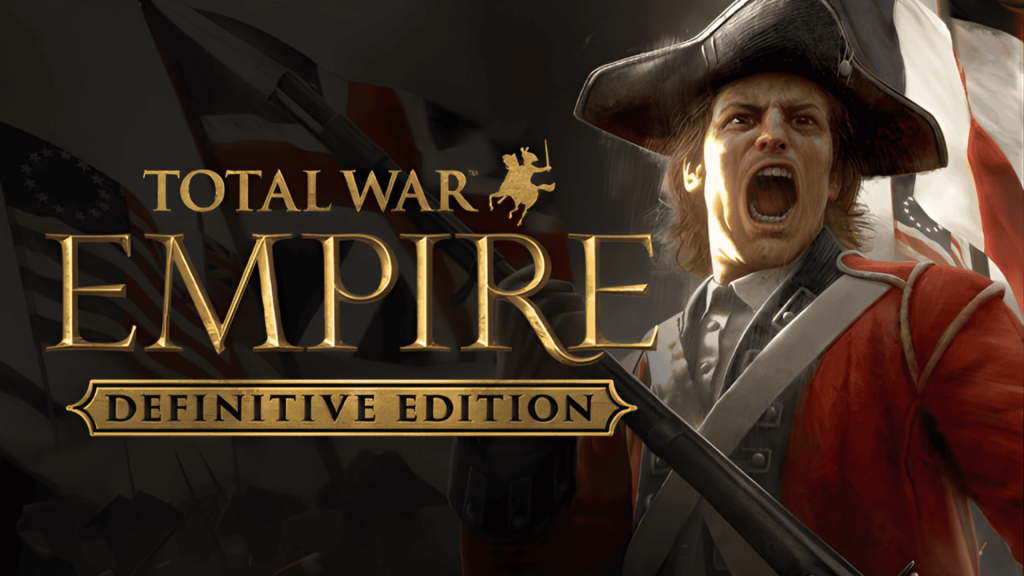
Empire is a deeply flawed but undeniably interesting entry I’ve never stopped enjoying.
Even with all its technical problems and clunky systems, it exudes an unmatched sense of ambition.
The shift toward ranged combat and volley fire makes battles feel fresh and tactical, even when they’re messy.
And I still find its variety of factions, Native American tribes, pirates, Ottomans, and colonial powers, fascinating to play.
5. Total War: Warhammer
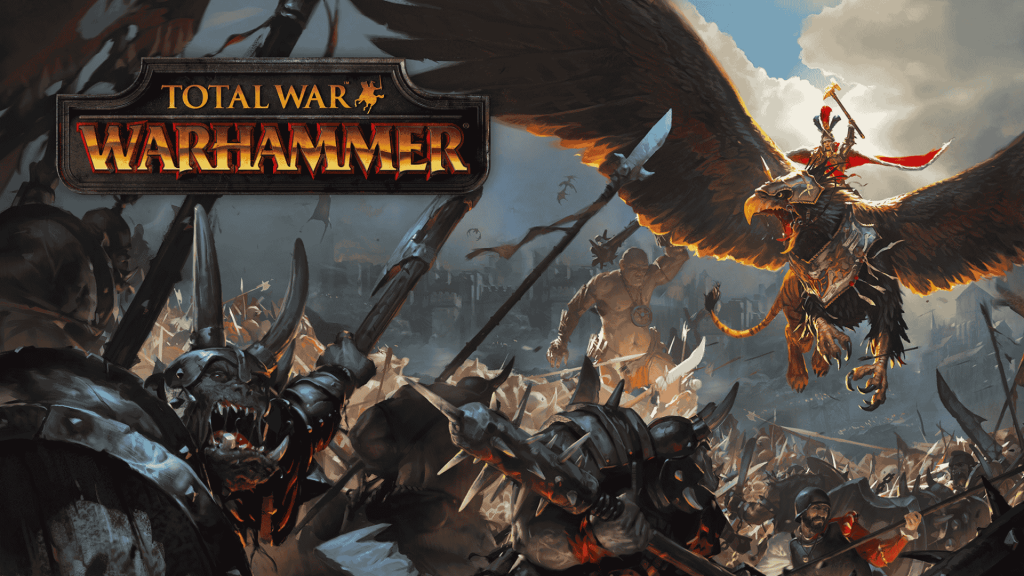
The original Warhammer deserves immense credit for shaking up the franchise and laying the foundation for what Warhammer II perfected.
Playing it today still feels exciting; the faction diversity, the monster-heavy battles, and the introduction of legendary lords all brought a new layer of depth to Total War.
While Warhammer II refined everything, the first game still offers some of the most atmospheric campaigns, especially when playing factions like the Vampire Counts or Dwarfs.
Its siege battles, unit variety, and iconic fantasy units made it clear that Creative Assembly knew exactly what they were doing when they took the series into a fictional universe.
6. Medieval II: Total War
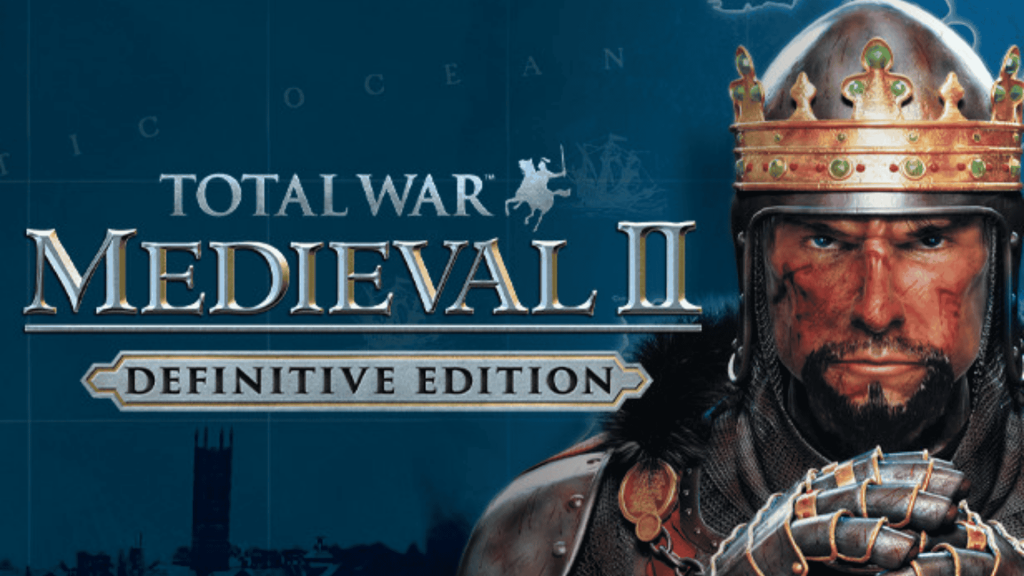
What holds it back for me is the campaign layer, which shows its age in diplomacy, AI behavior, and economy systems.
Yet despite that, it remains beloved for good reason: it’s a modding paradise.
Some of the most iconic Total War mods ever made, like Third Age: Total War, are built on this foundation, and they breathe incredible life into the game.
Medieval II represents the end of an era for Total War design; newer titles are more polished, but this one still delivers unforgettable battlefield moments that make it worth revisiting.
7. Rome: Total War
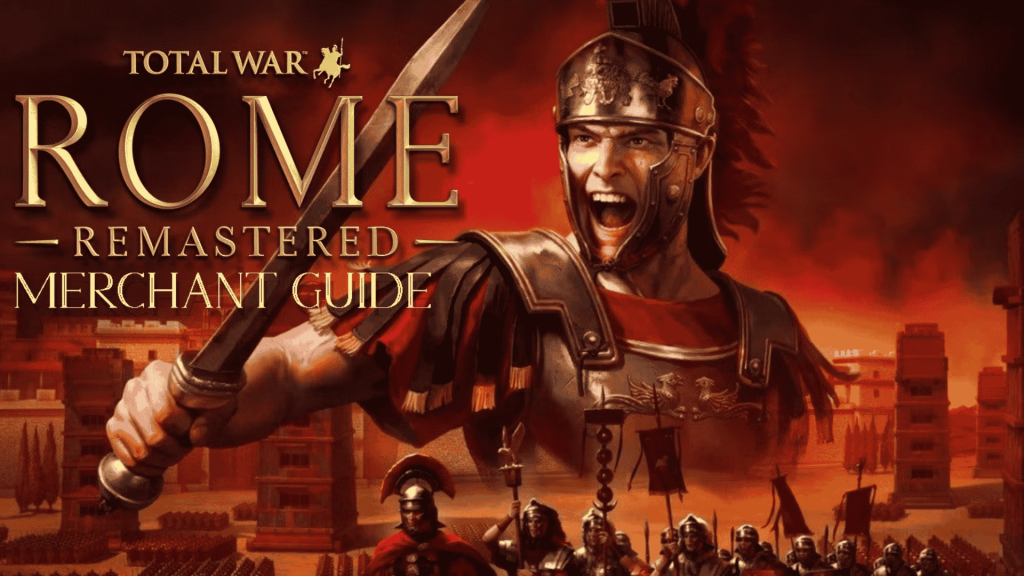
Rome holds a nostalgic place in many players’ hearts, and I completely understand why.
When it was released, it felt revolutionary, with massive armies, 3D battles, political intrigue, and a grand campaign that captured the drama of ancient Rome.
Today, the original PC version feels dated, but the iPad version surprisingly breathes new life into the experience.
It still nails that classic Total War feeling of expanding an empire piece by piece while managing complex family politics and faction ambitions.
8. Total War: Attila
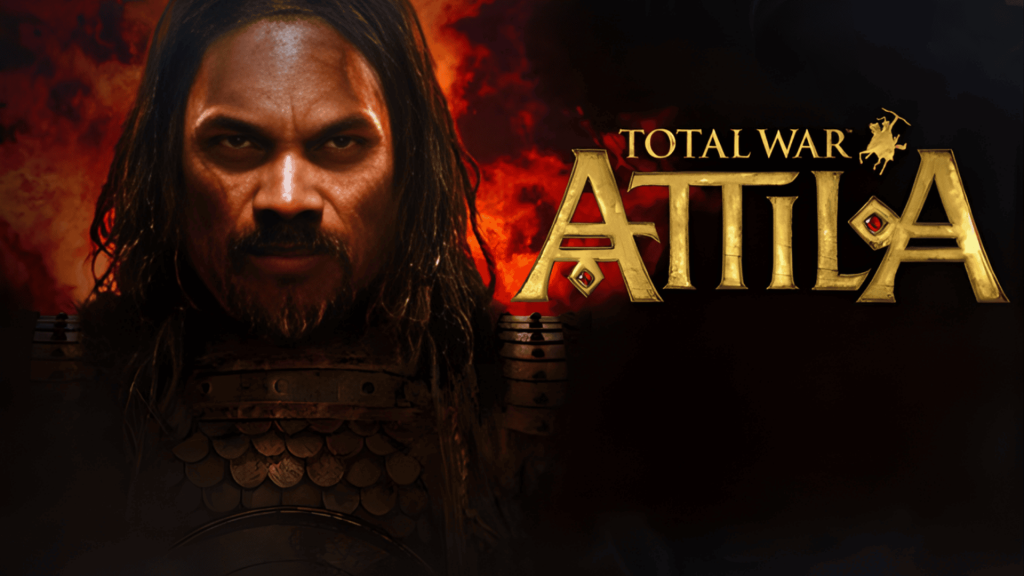
In my opinion, Attila is one of the most underrated Total War games ever released.
It launched in the long shadow of Rome II, but without suffering from nearly as many technical problems. What I love most is the tone, grim, desperate, apocalyptic.
Playing as the Huns remains one of the most unique Total War experiences; the nomadic horde mechanics are brilliant and force you to rethink how you approach strategy entirely.
Attila’s campaigns are challenging, atmospheric, and full of tension. It might not be as polished as later titles, but its ambitious systems and strong identity make it unforgettable.
9. Medieval: Total War
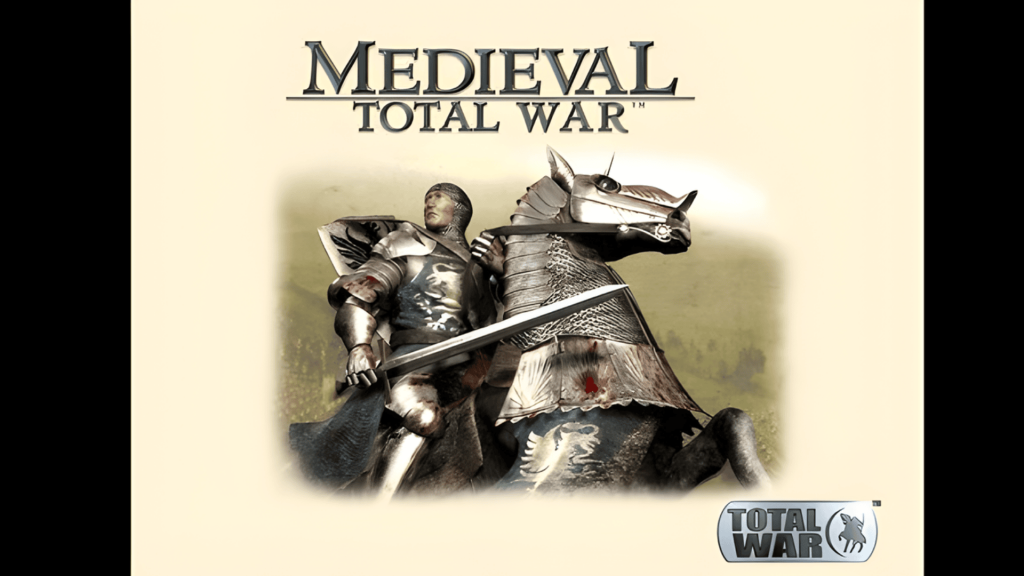
The original Medieval might not have many reasons to return today, especially with the sequel aging as well, but in its time, it was groundbreaking.
I still appreciate how bold it was with its tactical depth and strong cavalry-focused battles.
The game may feel primitive now, but it laid crucial groundwork for one of the most beloved eras in Total War history.
It’s thrilling, cinematic, and mechanically sharp.
10. Shogun: Total War
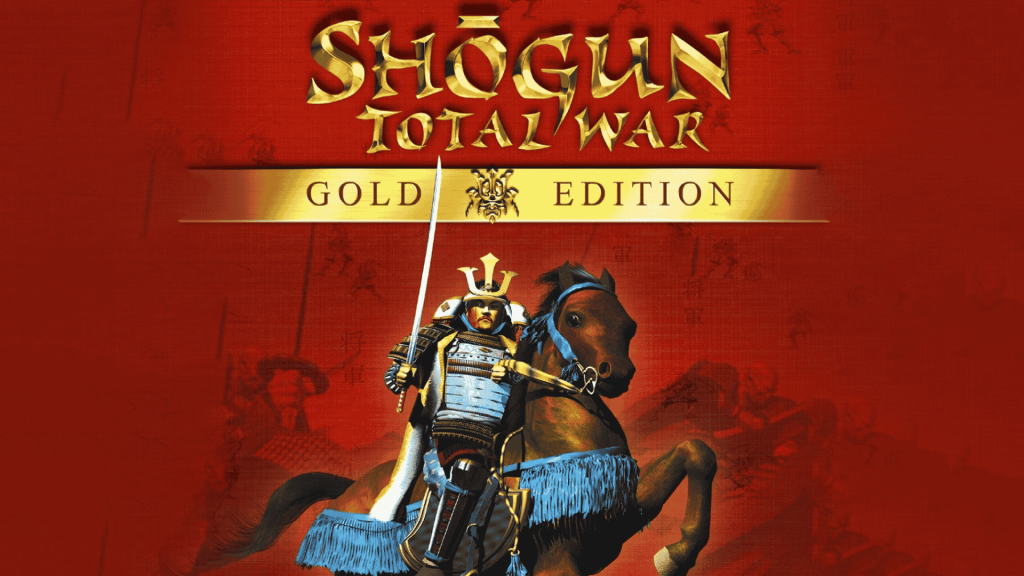
Looking back at the first Shogun, it’s amazing how many of the core Total War mechanics remain intact decades later.
The visuals and interface are ancient by today’s standards, but the strategic foundation was remarkably solid.
Shogun planted the seeds for everything the franchise would become, and revisiting it offers a fascinating look at how the series evolved.
Community Rankings from Major Platforms
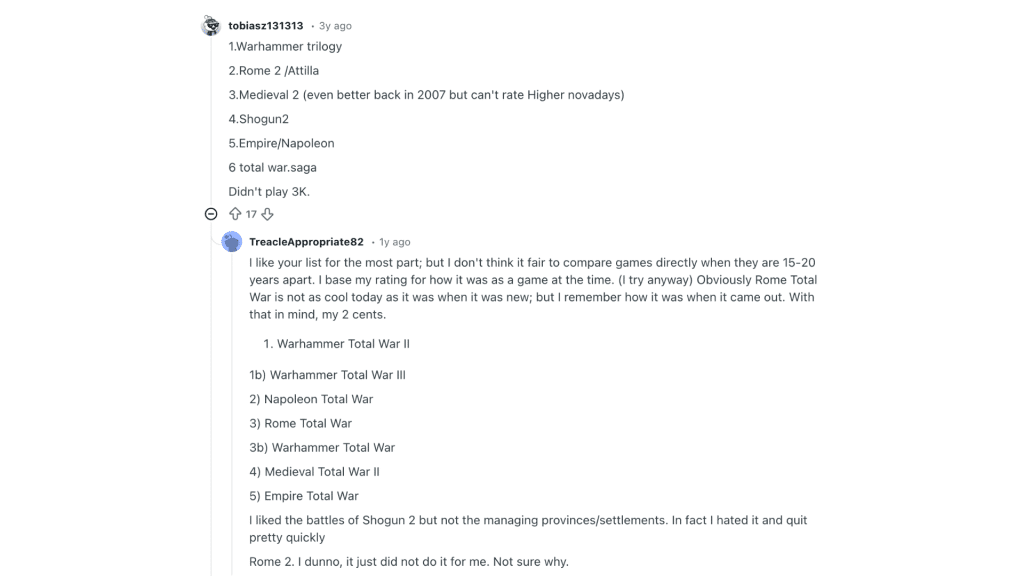
Reddit users, particularly from r/totalwar, frequently rank Total War games based on personal experiences, noting strengths like campaign depth, battle mechanics, and mod support.
One prominent ranking places the Warhammer trilogy at #1 for its fantasy spectacle and ongoing DLC, followed by Rome 2/Attila at #2 for improved post-launch support.
Medieval 2 at #3 (praised as peak in 2007 but dated now), Shogun 2 at #4 for polished samurai warfare, Empire/Napoleon at #5 for naval innovation, and Total War Sagas at #6.
Other threads mention this: Medieval 2 and Shogun 2 often top historical strategy lists, Warhammer dominates fantasy polls, while Rome 2 redeems its rocky launch through updates.
Community consensus favors pre-2013 titles for purity but lauds modern fantasy entries for replayability.
Conclusion
As I look back at all the Total War games I’ve played, I realize how each one left me with different memories and strategies that still stay with me.
Ranking them wasn’t easy, because every title offers something special, whether it’s the scale of the battles, the depth of the campaign, or the moments that unfold when everything finally clicks.
My list reflects the games that stood out to me the most and the ones I keep returning to when I want that familiar mix of planning and chaos.
I hope my ranking helps you decide which game you might want to try next or revisit.
No matter which one you choose, the Total War series always gives me a reason to jump back into the fight.