
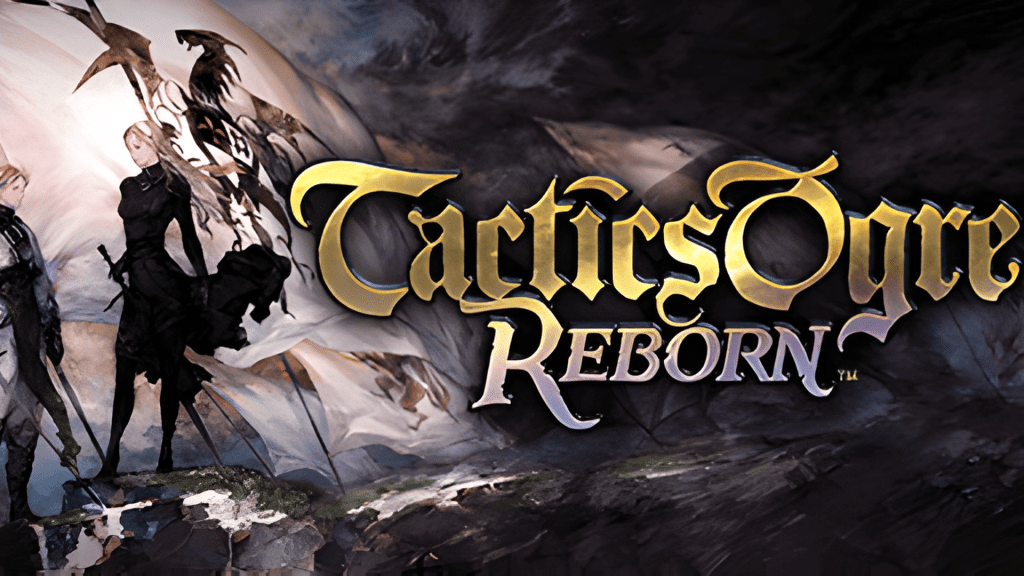
Many players still remember the original Tactics Ogre as a serious game that respected your choices and never treated war as something simple.
After years of waiting, Tactics Ogre: Reborn arrived as a careful remake that tries to honor those memories while fitting modern gaming habits.
Remake developed by Square Enix, it’s one of the famous JRPGs discussed, where each choice determines your game’s future.
I will be telling you what this Tactics Ogre: Reborn review covers, including expert opinions, player reactions, endings, and whether it fits your expectations.
If you are thinking about trying this game, understanding its tone and structure early can help you decide without wasting time or money.
Before starting with the critics’ response, let’s discuss a bit about this game and when it actually arrived.
About Tactics Ogre: Reborn
Tactics Ogre Reborn is a Japanese Role-Playing Game (JRPG) set on the Valerian Isles, where war, politics, religion, and power struggles shape every major event.
It is a remake of the 2010 PSP version of Tactics Ogre: Let Us Cling Together (itself an enhanced remake of the 1995 Super Famicom original), rebuilt with modern systems while keeping its serious and grounded tone.
The game was released on 11 November 2022 for Steam on PC, PlayStation 4 & 5, and Nintendo Switch.
Some fans were disappointed, as it was not released on Xbox platforms, while being present on all other major platforms.
Battles are turn-based and played on grid maps where terrain height, distance, and positioning directly affect how characters move and fight.
The systems feel deep but can seem slow or confusing early, especially for players new to this style of Japanese role-playing games.
What Do Critics Say About Tactics Ogre: Reborn?
Most critics agree that Tactics Ogre Reborn is a faithful remake that respects the original while making changes that may not please everyone.
Reviews often praise the writing and depth, but also point out pacing issues and design choices that feel restrictive or dated at times.
- IGN notes that the game still holds up because of its strong story and systems, but mentions that menus and complexity may overwhelm casual players. They gave a basic review, not a detailed one.
- Nintendo Life appreciates the improved quality-of-life features, yet criticizes visual smoothing and slow battles that can test patience.
- GameSpot highlights meaningful choices and customization, while calling out uneven visuals and balance changes that do not always work well.
- Eurogamerrecommends the game overall, but says some new mechanics feel divisive and may frustrate players used to older versions.
Overall, critics view this as a solid but imperfect remake that rewards patience, while clearly not designed for every type of player.
Story Overview in Tactics Ogre: Reborn
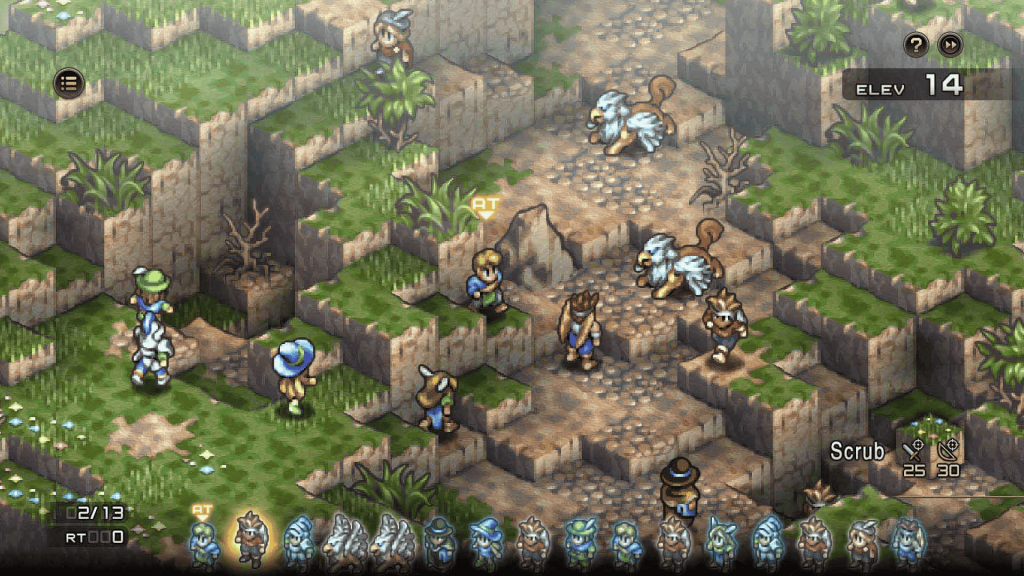
The story follows Denam Pavel, a young fighter tied to the Walister group, after his family is killed during a brutal occupation.
This event pushes him into a civil conflict involving politics, religion, and race, where no side stays clean for long.
Early choices, like sparing or executing enemies, change allies, missions, and tone, making the player responsible for heavy consequences later.
The plot focuses on power struggles between groups such as Walister, Galgastani, and Bakram, while outside forces quietly influence events.
Conversations use formal language and slow pacing, which some players enjoy, but others find hard to follow without patience early on.
The story does not give simple answers, and that seriousness can feel rewarding or tiring depending on expectations for new players.
Gameplay Experience in Tactics Ogre: Reborn
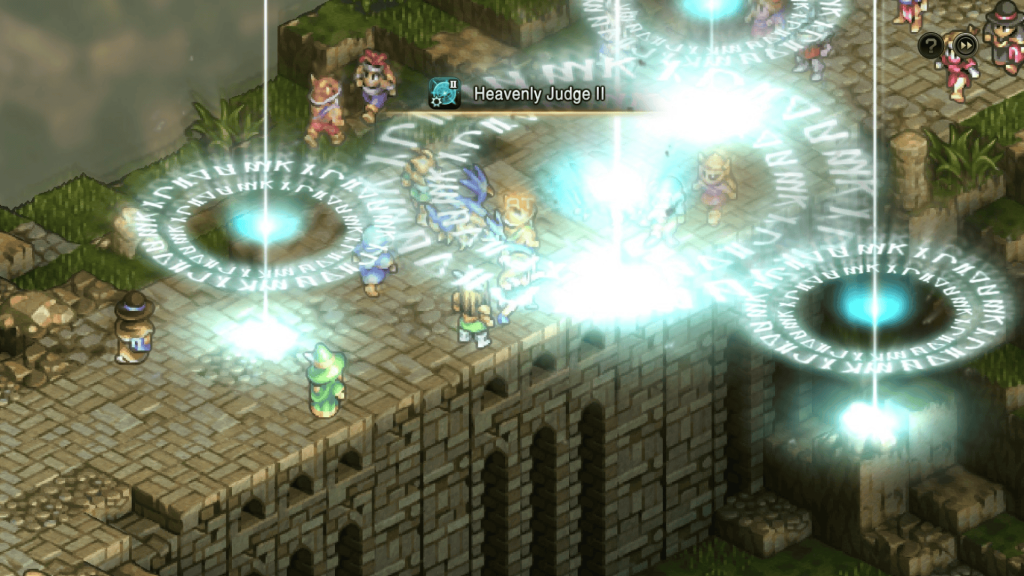
Tactics Ogre: Reborn uses turn-based combat played on grid-style maps, where characters act one after another instead of moving at the same time.
Each battlefield includes height levels, slopes, walls, and terrain features that affect movement range, attack angles, and spell reach.
Players command a squad of up to ten units, and each unit belongs to a fixed job that defines weapons, armor, and available skills.
Characters level up individually through battles, and changing jobs does not reset levels, but skills remain limited to the current job.
Before a fight begins, players can view the map layout and enemy placement, which helps decide unit positions and approach paths.
There is no real-time input, so every action requires selecting commands step by step until the battle ends.
Tactics Ogre: Reborn Endings Explained
The game features multiple story endings shaped by key choices, character loyalty, and major decisions made across chapters, leading to different rulers, outcomes, and long-term consequences.
1. Death Ending
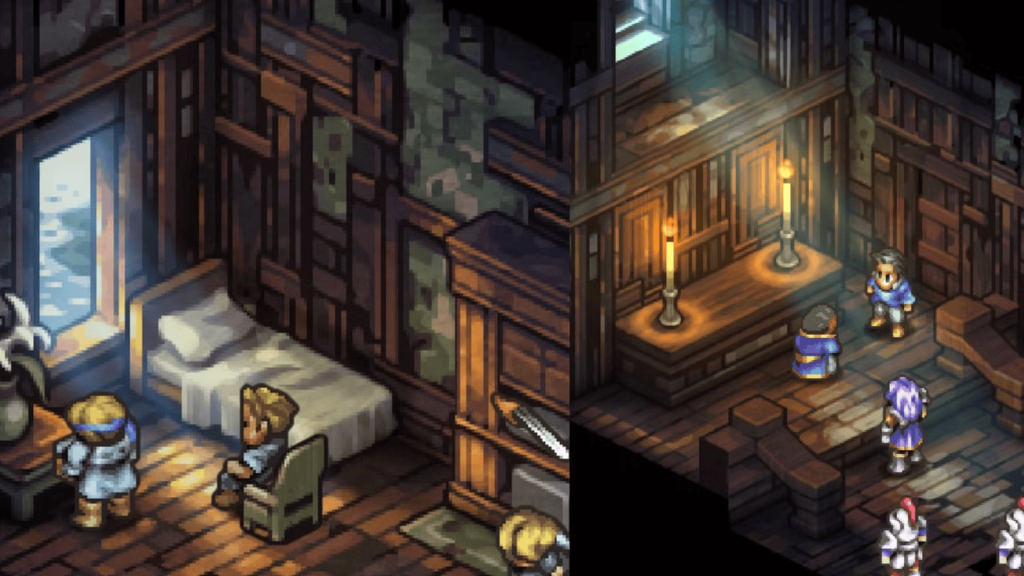
This ending occurs when Catiua dies, and clan loyalty remains low, causing unrest across Valeria despite Denam becoming king.
During the coronation, Denam is assassinated by rebels, showing that power gained through violence fails to bring stability.
The land falls back into chaos, old grudges return, and outside forces continue to manipulate events.
Epilogue scenes vary depending on recruited characters, but the overall message reflects failure, loss, and unresolved conflict across the Isles.
2. Lord Ending

The Lord Ending happens when Catiua dies, but clan loyalty stays high enough for Denam to rule without rebellion.
Denam becomes king and unites Valeria under one banner, though tensions between groups still remain beneath the surface.
Peace exists, but it feels fragile, with hints of future threats from neighboring powers.
This ending reflects order without healing, where control replaces resolution, and the cost of past actions lingers quietly.
3. Princess Ending
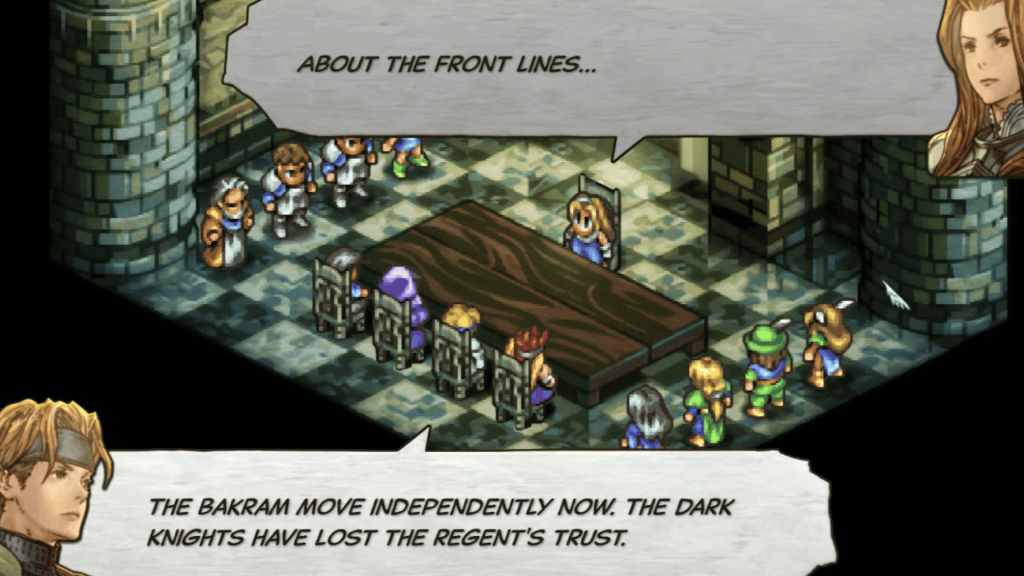
This ending happens when Catiua survives the story and joins Denam, usually through the Chaos route and correct dialogue choices during the Barnicia event.
After the final battle, Catiua is crowned ruler of Valeria, focusing on rebuilding, stability, and easing long-standing conflicts between groups.
Denam chooses to leave the capital and live away from power, since his past actions could weaken her rule if he stayed nearby.
Epilogue scenes reflect calmer outcomes for many characters, while still hinting that outside empires may create future problems later.
What Do Players Say About the Game on Community Platforms?

On community spaces like Reddit, Steam reviews, and other forums, players share mixed reactions based on experience level, expectations, and familiarity with older versions.
- Many long-time fans praise the story depth and structure, but feel specific system changes reduce flexibility compared to the PSP release.
- New players often mention difficulty spikes and confusion early on, especially when learning how jobs, skills, and loyalty systems interact.
- Some players enjoy the serious tone and choice-driven structure, while others feel battles take too long during longer play sessions.
- A common discussion point involves balance changes, where randomness and level limits divide opinions across different skill levels.
Overall, community feedback shows that enjoyment depends heavily on patience, prior genre exposure, and willingness to learn layered mechanics slowly.
Should You Buy Tactics Ogre: Reborn
You may buy Tactics Ogre: Reborn if you enjoy story-focused JRPGs that move at a slow and steady pace.
It fits players who like reading dialogue, thinking through choices, and spending time learning how different systems work together.
If you prefer quick action, simple controls, or games that explain everything clearly from the beginning, then you may not find this game that good.
Battles take time, menus require attention, and progress depends more on planning than fast button presses.
For someone new to games, the learning curve can feel heavy early, but it becomes easier with patience and practice.
Overall, this is a game for players who value structure and long play sessions, or who liked this game in the childhood & want to play again, not short or casual gaming breaks.
Conclusion
After spending time with Tactics Ogre Reborn, it becomes clear that this game asks for patience, attention, and comfort with slow decision-making.
Some players will appreciate how choices matter and how outcomes change, while others may struggle with the pace or structured systems.
I feel the game works best when treated as a long experience, not something meant to rush through during short play sessions.
If you enjoy stories that respect your thinking and games that explain little upfront, this style may fit your taste well.
For others, watching gameplay or reading guides first could help set better expectations before committing time or money.
Either way, it stands as a game that rewards careful play more than quick reactions.
Have you played Tactics Ogre: Reborn, or are you thinking about it now? Tell us your thoughts and share your experience with us in the comments below.