
Ready or Not pulls you in fast because it feels like a slow-paced SWAT job where every room carries danger and every wrong move can punish you hard.
The game follows a team leader moving through different missions instead of one long story, which keeps each run feeling tense and fresh for new players.
You get grounded action that rewards clear plans and steady teamwork instead of rushing through doors without thinking about what might wait inside.
I will be giving a review for this game that helps you understand what works well and whether this game fits your library or not.
But before beginning, let us take a quick look at the game, so that you get an idea of how the game works.
Note: This review talks about parts of the game that include crime topics, violence, and sensitive themes. Reader’s discretion is advised.
About Ready or Not: Tactical FPS
Ready or Not is a tactical FPS built around full-scale SWAT missions where you move through tight rooms, rescue civilians, and deal with armed suspects who react fast and hit hard.
The game does not treat these missions like regular shooter levels, because every step is tied to rules that control how real teams clear buildings and handle force when things go bad.
The game first arrived on PC as early access on Steam in 2021, with full release in 2023, and reached consoles, like PlayStation 5 and Xbox Series, in 2025, bringing the same slow pressure that made players pay attention during early access.
It is known for dark mission themes, sudden threats, and tools that match the gear seen in real police entry units, which gives each map an intense feel.
Every mission pushes you to think like a team member who must keep control even when the entire scene falls apart in seconds.
Core Gameplay Experience & Tactical Depth
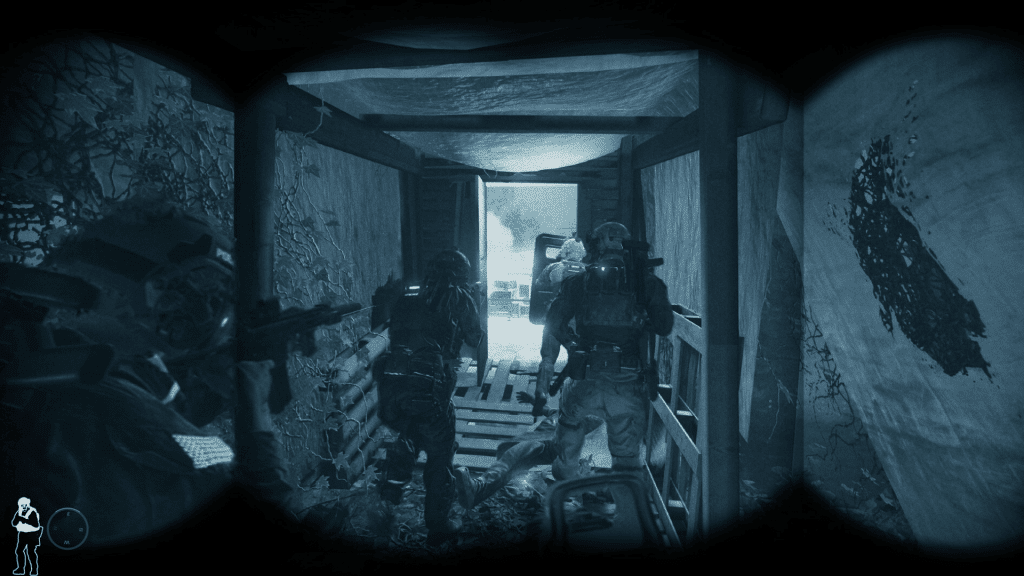
Ready or Not is slow, tense, and pretty unforgiving, even on easier settings, so you cannot treat it like a basic shooter.
Every corner, doorway, and hallway feels risky, and the game constantly pushes you to think like a SWAT leader instead of a solo hero.
- You move at a careful walking pace most of the time, with no full sprint, so spacing, cover, and angles matter way more than reaction speed.
- Your squad listens to radial commands, letting you stack on doors, breach with different tools, throw flashbangs, and split into red and blue teams for more complex pushes.
- Non-lethal options like tasers, beanbag shotguns, and gas are rewarded in the scoring, but suspects can still snap-fire and punish sloppy timing.
When everything clicks, a clean room feels earned, and a single bad call can end the run in seconds, which keeps tension high.
What Do Critics Say About the Game?

Ready or Not pulled in mixed reactions because the game blends sharp tactical design with bugs and uneven mission behavior that can throw players off.
Many reviewers enjoyed the grounded SWAT style, but they also pointed out problems that keep the experience from feeling steady across long sessions.
| Critic/Source | Summary of Their Reaction |
|---|---|
| XboxEra | Praised the tension, slow pacing, and strong co-op teamwork while noting odd animations and performance dips during certain maps. |
| Gaming Nexus | Highlighted the grounded SWAT feel and constant pressure, but mentioned clunky controller steps and some rough cross-platform setup moments. |
| GodisaGeek | Liked the careful room clears and gear options, but said solo squad AI behaves unevenly, making missions swing between smooth and frustrating. |
Critics generally agree the game has a strong core, but bugs, AI issues, and uneven polish keep it from fully hitting its potential.
Multiplayer, Co-op, and Crossplay Performance
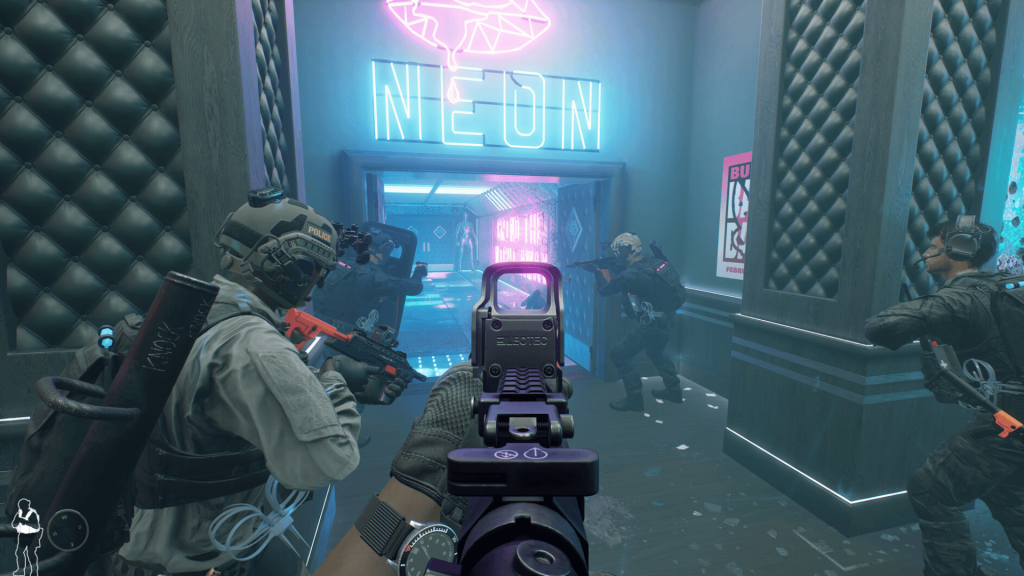
Multiplayer places up to 5 players on one team, giving everyone a shared stack that moves through each building as a single controlled unit.
Most people join through public matchmaking, but private lobbies allow whole groups to run missions with fixed roles like shield, breacher, or back cover.
Co-op uses the same missions seen in solo mode, yet the pace feels different because real players often read rooms faster and change plans when angles open unexpectedly.
Crossplay works across major platforms once players link accounts with Epic Games, although the linking steps feel slightly longer than expected for a quick setup.
Voice chat becomes important because calling traps, angles, and suspects keeps the push organized and stops random mistakes from spiraling.
Performance stays steady primarily, but crowded gunfights inside narrow halls can cause small frame drops that throw off timing during tight clears.
Story, Mission Themes & Overall Tone

Ready or Not does not follow a classic story.
Unlike RPG games, each mission drops you into events that feel tied together through small clues and repeated problems inside the city.
You learn more through briefings, radio calls, and the things left behind on each crime scene, which builds a clear sense of what your team deals with daily.
The mood stays heavy because most missions show criminal acts that push into dark areas, and many scenarios include moments that feel uncomfortable on purpose.
The missions cover robbery stops, hostage rescues, drug houses, and underground networks that point toward bigger problems across several neighborhoods.
The game aims for a serious tone by showing pressure rather than action, so even simple hallways feel tense when suspects hide close to civilians.
This approach keeps the world grounded without needing long story scenes.
Legal Controversies & Release Challenges
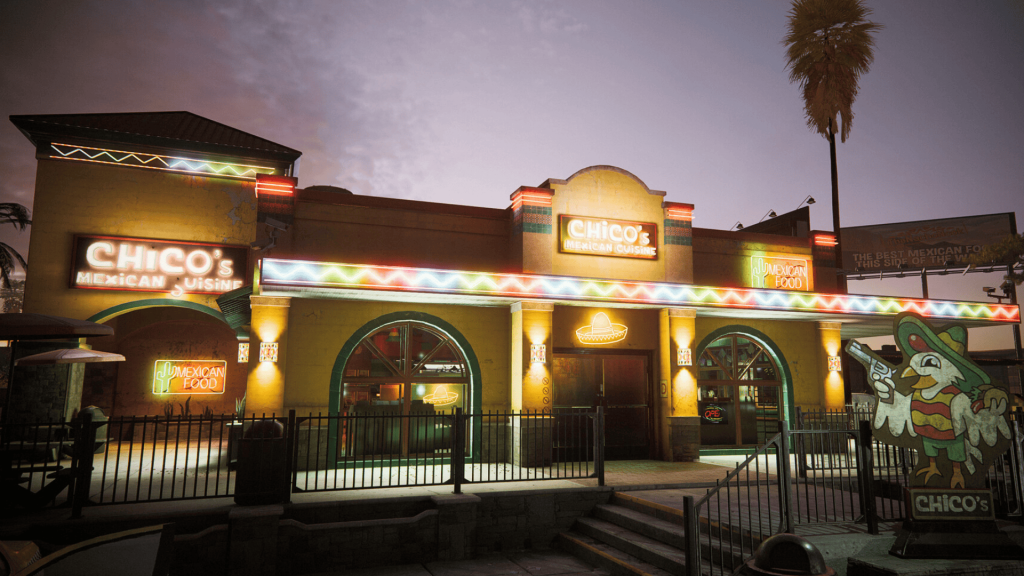
Ready or Not faced several legal moments that directly changed the project, and these issues shaped how players viewed the final release across platforms.
The biggest example came when a mission used a nightclub name tied to a real event, leading to a Steam takedown until the team changed the level fully.
This event made the community question how outside pressure might affect future updates or mission content.
- A trademark conflict caused the earlier takedown, forcing the developers to rename locations and adjust visual cues inside the mission.
- Console certification rules pushed further changes, removing certain details and altering scenes that some players believed were important for tone.
- A mod dispute also sparked arguments when players feared specific content could face removal.
These challenges made launch discussions more intense, with many players focusing on legal impact instead of normal gameplay updates.
Performance, Visuals & Technical Quality
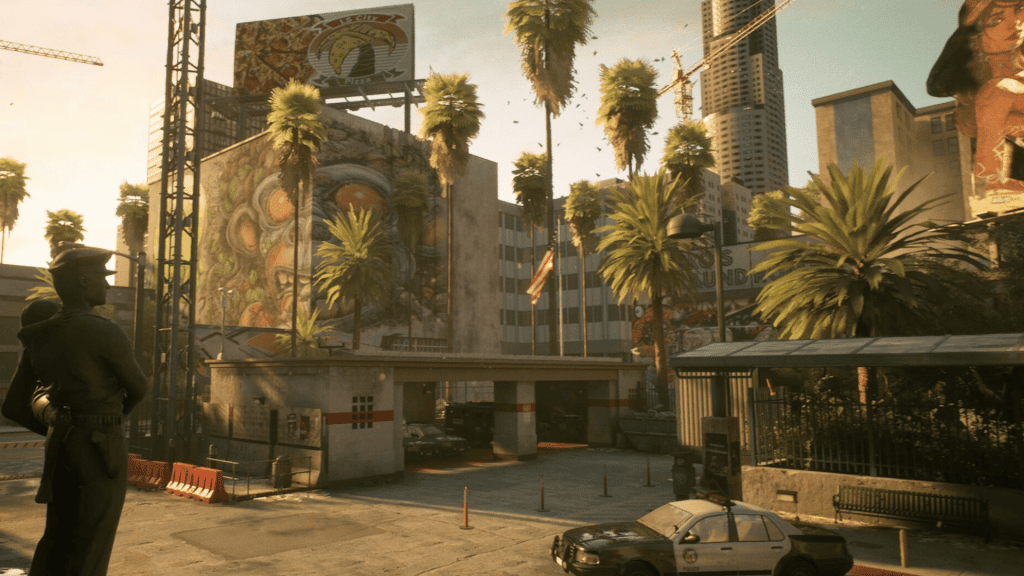
Ready or Not looks strong in many areas, with heavy lighting and tight interiors that create pressure during close fights, but the game does not stay consistent across all maps.
Some rooms show sharp detail and believable shadows, while other rooms drop quality suddenly, which becomes easy to notice when players switch floors or move through crowded spots.
Frame rates stay steady most of the time, yet loud firefights in narrow halls can slow the game briefly and throw off timing during fast reactions.
AI behavior also affects the technical feel, because suspects sometimes react too quickly, while friendly teammates struggle with doorways or angle changes.
Console versions saw noticeable visual changes from earlier builds, which caused debate among players who compared older footage with the current release.
Even with these issues, the overall look still matches the game’s serious tone.
Community Discussion & Player Opinions

Community reactions across Steam and Reddit show a wide split, with some players praising the game’s tension while others focus on specific changes that felt different from earlier builds.
- New players say the game feels tense and steady, especially when teammates talk clearly and clear rooms without rushing into risky angles.
- Many enjoy trying different gear setups, since small changes can shift how each hallway or doorway feels during long mission runs.
- Older players mention earlier builds looked sharper, which created debates when later updates changed lighting or removed certain visual details.
- Friendly AI remains a common complaint because teammates sometimes stop moving or miss clear instructions during important pushes.
- Some also say suspects react too fast in tight spots, making the difficulty feel unpredictable rather than earned through clean pacing.
Even with these issues, many players keep returning because co-op runs bring strong tension when the group stays focused and communicates well.
Even with those complaints, plenty of players still enjoy the core loop and return for co-op runs.
Should You Buy Ready or Not?
Deciding if Ready or Not is worth your money really depends on what type of player you are and how much patience you bring to each session.
People who enjoy slow movement, tight corners, steady teamwork, and careful clearing will probably say yes, since the game offers moments that feel tense without relying on fast action.
Players who want strong graphics on every mapor steady behavior from all AI teammates may feel a no, especially if they expect polished systems from the start.
If you play mostly with friends who talk clearly and stay calm during tough pushes, the game can give long hours of solid co-op.
If you prefer quick matches with simple rounds, the slow pace might feel rough. So the final call depends on your taste and tolerance level.
Conclusion
Ready or Not gives a steady mix of tough missions, strong teamwork moments, and grounded action that feels different from many fast shooters you normally see today.
The game asks you to think carefully and make decisions, instead of running in a multiplayer FPS, while dealing with danger that can change quickly, without warning.
Some parts feel rough at times, yet many players still enjoy the steady structure and tense raids that create real pressure during every move you take.
I enjoyed seeing how the game builds a steady sense of caution while keeping each mission fresh enough to stay interesting for regular players.
If you have thoughts about the game or want to share your own experience with these missions, tell us and share with us in the comments below.