

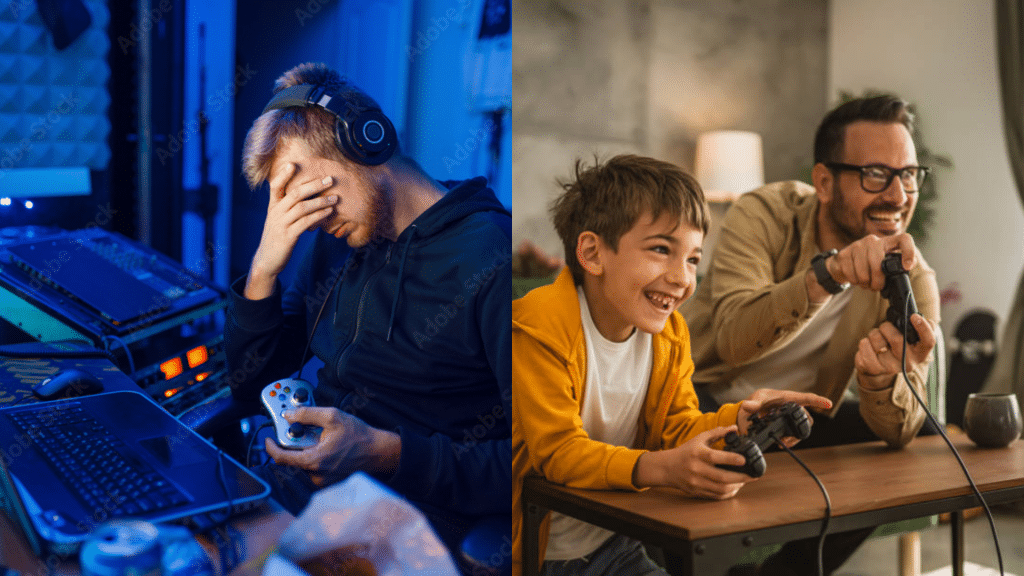
Have you ever wondered how gaming actually fits into your daily life, not just the fun parts, but the tricky moments too?
I’ve asked myself the same thing, which is why I wanted to look closely at what video games add to our days and what they sometimes take away.
I’ve experienced how games can sharpen focus, spark creativity, and bring people together, but I’ve also felt the downside of long sessions, stress, and less movement.
Thinking about both sides helps me decide how, when, and why I play.
This guide helps in breaking down the benefits, the disadvantages, tips to control my screen time, and how games influence my emotions and stress.
Why the Pros and Cons of Video Games Matter?
It is essential to know the pros and cons of video games because they show how gaming can shape learning, health, and daily life.
On the positive side, games can build problem-solving skills, improve coordination, and offer a fun way to relax.
Games build teamwork, but too much screen time affects sleep and mood.
Some games may expose players to violence or online risks, making guidance and limits important.
Understanding both sides helps parents, teachers, and players make better play choices.
It also supports healthy habits, balanced routines, and better communication between adults and kids about gaming.
Benefits that Make Gaming Popular

The benefits of gaming stand out because they support skill-building, social connection, and enjoyable learning experiences for players of all ages.
1. Improved Problem-Solving Skills
Video games often require quick thinking, strategy, and the ability to adapt to changing situations.
Many games present puzzles, missions, or challenges that encourage players to analyze information, test solutions, and adjust when something does not work.
This repeated practice strengthens logical thinking and pattern recognition. Strategy, adventure, and simulation games mainly help players learn how to plan and evaluate risks.
These skills can transfer into real-life situations, such as tackling schoolwork, managing tasks, or handling everyday decisions.
2. Better Hand-Eye Coordination
Gaming often improves how quickly the brain and body work together. Fast-paced games require players to react to visual cues almost instantly and control movements with precision.
This sharpens timing, attention, and coordination between what is seen and how the hands respond.
Research shows that action games, racing games, and sports titles can enhance reflexes and motor skills.
These improvements may support activities such as driving, typing, or playing sports.
3. Increased Creativity and Imagination
Many video games encourage open-ended thinking by offering worlds full of characters, tools, and situations that players can shape.
Sandbox and building games allow players to design structures, solve creative challenges, and experiment with ideas.
Story-driven games introduce unique settings and plots that inspire new ways of thinking.
These experiences can spark imagination and help players approach challenges with fresh perspectives.
4. Social Interaction and Teamwork
Multiplayer games allow people to connect, collaborate, and communicate with others from around the world.
Many games require teamwork, where players must coordinate roles, share strategies, and rely on each other to reach goals.
Online communities also offer spaces where players can meet new friends, participate in group activities, and develop a sense of belonging.
For shy or introverted individuals, gaming can provide a comfortable environment to interact socially.
5. Stress Relief and Relaxation
Video games offer a way to unwind after a long or demanding day. Engaging in gameplay helps shift attention away from stress and provides a controlled space for emotional release.
Calming or visually soothing games can lower tension, while action-based games may help channel frustration in a safe environment.
The sense of progress and achievement that games provide can boost mood and create relaxation through accomplishment.
Music, storytelling, and world-building also play roles in reducing stress by drawing players into immersive experiences.
The Challenges That Come With Gaming Regularly
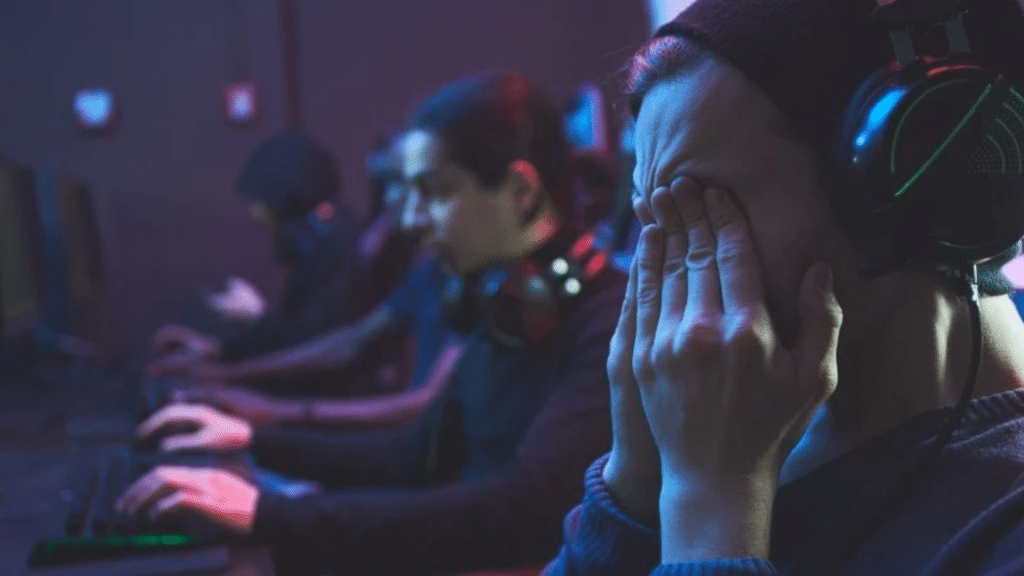
Modern gaming presents several challenges that can affect health, habits, and social behavior when playtime becomes unbalanced or poorly managed.
1. Excessive Screen Time
Long hours in front of a screen may cause eye fatigue, headaches, and reduced focus. Poor posture while playing can also contribute to back or neck discomfort.
Sleep patterns may be disrupted when gaming sessions continue late into the night, especially when bright screens interfere with melatonin production.
Extended play may reduce time spent on exercise, schoolwork, or family activities, leading to an unbalanced routine.
When screen time is not monitored, it becomes easy to fall into habits that impact well-being.
2. Risk of Addiction-Like Behavior
Some players may develop addiction-like behavior when gaming becomes the main source of reward or motivation.
Many modern games use progression systems, achievements, and constant updates that encourage players to stay engaged for long periods.
This design can make it difficult to stop playing, especially when goals feel close or competition is intense.
Signs can include irritability when not playing, neglecting important tasks, or feeling unable to reduce playtime.
3. Exposure to Inappropriate Content
Modern online games sometimes expose players to inappropriate content, including violence, strong language, or unmoderated interactions with strangers.
Younger players may encounter situations or conversations that are not suited for their age, creating confusion or discomfort.
Some games include user-generated content, which may not always be properly reviewed before becoming publicly accessible.
This can lead to unexpected exposure to harmful material. Online chat features can also present challenges, as players may witness bullying, harassment, or unsafe behavior.
4. Cyberbullying and Online Harassment
Players may encounter rude comments, insults, or targeted attacks during competitive matches.
Toxic behavior can harm self-esteem, reduce enjoyment, and push players away from communities that should feel welcoming.
Some individuals may face harassment based on skill level, voice, gender, or cultural background.
This behavior can escalate into threats or repeated negative interactions, making the gaming environment stressful.
5. High Financial Costs
Modern gaming can become expensive due to the growing number of platforms, subscription services, and in-game purchases.
Many games offer downloadable content, cosmetic items, or upgrades that encourage players to spend regularly to stay competitive or personalize their experience.
Hardware such as consoles, PCs, or accessories also adds to the overall cost, especially when upgrades are needed for new releases.
Younger players may not fully recognize how quickly small purchases add up. Without careful budgeting, gaming expenses may outweigh other priorities.
Pros and Cons of Video Games
Understanding the pros and cons of video games becomes easier with a clear comparison, helping readers see how gaming supports growth while also presenting challenges to manage.
| Aspect | Pros | Cons |
|---|---|---|
| Learning | Builds problem-solving skills | Can distract from schoolwork |
| Coordination | Improves hand-eye coordination | May cause strain from long play |
| Social Interaction | Encourages teamwork and connection | Can expose players to online conflict |
| Creativity | Inspires imagination and new ideas | May reduce real-world creative activities |
| Stress | Offers relaxation and emotional relief | Can increase frustration or pressure |
| Time & Routine | Provides fun entertainment | May lead to excessive screen time |
How Video Games Influence Emotions and Stress?
Video games can influence emotions and stress in meaningful ways, highlighting the pros and cons of video games in daily life.
Many games offer an escape that helps reduce tension, allowing players to shift focus and unwind.
Engaging stories, rewarding challenges, and calming visuals can create positive feelings that support emotional balance.
However, some games may trigger frustration, anxiety, or pressure when tasks become too complex or competitive.
Fast-paced action, time limits, or online interactions can raise stress levels, especially when players feel overwhelmed or judged.
Emotional responses often depend on game design, community behavior, and personal limits.
Tips for Managing Screen Time
Balancing gaming with daily life helps prevent burnout and keeps play enjoyable over time. Simple habits can support healthier routines without cutting out games completely.
- Set daily limits: Clear time boundaries prevent long gaming sessions and help balance play with daily activities.
- Take regular breaks: Short hourly breaks rest the eyes, reduce strain, and improve focus.
- Keep devices out of bedrooms: Removing screens supports better sleep and healthier routines.
- Choose positive games: Calmer game content helps reduce stress and mental fatigue.
- Finish priorities first: Completing schoolwork or chores before gaming builds better habits.
- Play at consistent times: Regular play hours prevent gaming from overtaking the day.
- Balance with offline activities: Time for hobbies or social interaction supports overall well-being
Conclusion
Knowing the pros and cons of video games helps me understand how gaming fits into a healthy, happy, and balanced lifestyle.
I can enjoy the fun, learning, and connection games offer while staying aware of the challenges that come with them.
When I look at the good and bad sides of video games as a whole, it becomes easier to set limits, choose better games, and build habits that support my well-being over time.
Gaming stays enjoyable when I stay mindful of how often I play, how long I play, and how it makes me feel.
If this guide helped, feel free to share your thoughts below and drop a comment. I’d love to hear your take on healthy gaming habits and what works for you.