

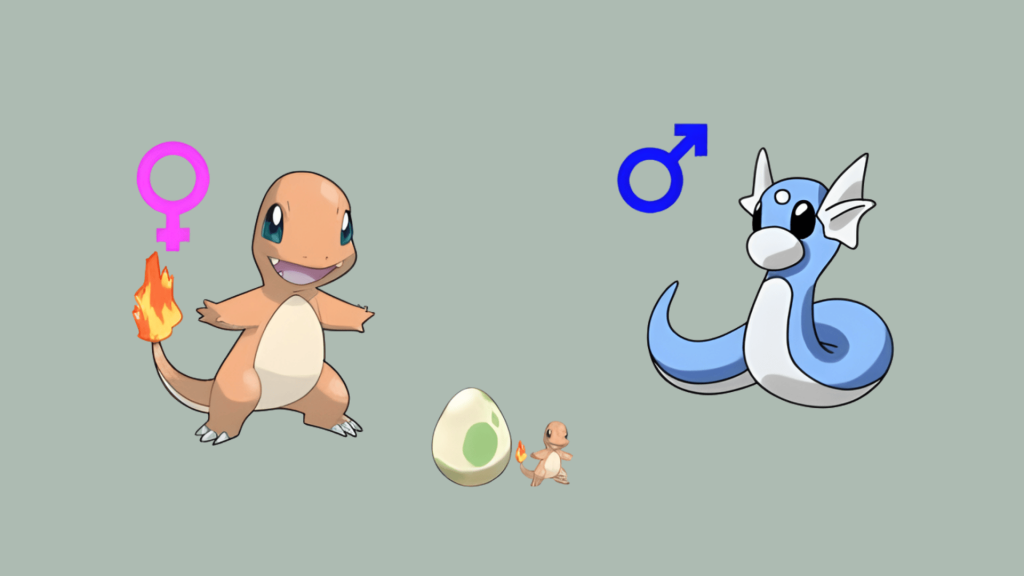
When I started putting together this pokémon breeding guide, I realized how many details shape the results that come from pairing different Pokémon.
In this introduction, the focus stays on the parts that matter most, including how Egg Groups work, how inherited moves transfer, and how certain factors influence the stats a newly hatched Pokémon can develop.
While reading, it helps to think about the traits you want to strengthen and the type of team you hope to build, and build better results overall.
Small choices made during breeding often lead to noticeable differences later in battles.
The goal of this guide is to make each step more straightforward so the entire process feels manageable, even for someone learning the system for the first time.
What Does this Pokémon Breeding Guide Include?
The guide outlines the core elements of pokémon breeding, starting with the basics.
It explains how parent Pokémon pass down species, moves, abilities, and stats, along with the role Egg Groups play in determining compatible pairs.
The mechanics behind IVs, nature inheritance, and held items are also introduced to build a clear foundation.
Another focus is the competitive value of breeding, as creating stronger Pokémon with optimized stats, ideal natures, and specific moves offers a consistent advantage in battles.
Breeding provides a reliable way to shape high-performance teams suited for advanced play.
This pokémon breeding guide also compares breeding with catching, highlighting how catching depends on chance while breeding offers predictable outcomes.
How Pokémon Breeding Works: Step-by-Step Process
This Pokémon breeding guide explains each stage of breeding, from placing compatible Pokémon together to collecting and hatching eggs efficiently.
1. Finding and Using Pokémon Nurseries

Nurseries serve as dedicated locations where two compatible Pokémon are left to produce an egg.
These facilities are available across multiple game regions, each offering similar functions that help simplify the breeding process.
Selecting the correct nursery location can speed up movement for egg gathering, especially in areas with long, open routes ideal for biking.
Held items, such as the Destiny Knot, can be provided before leaving the Pokémon at the nursery to support desired stat inheritance.
2. Selecting Compatible Pokémon for Breeding
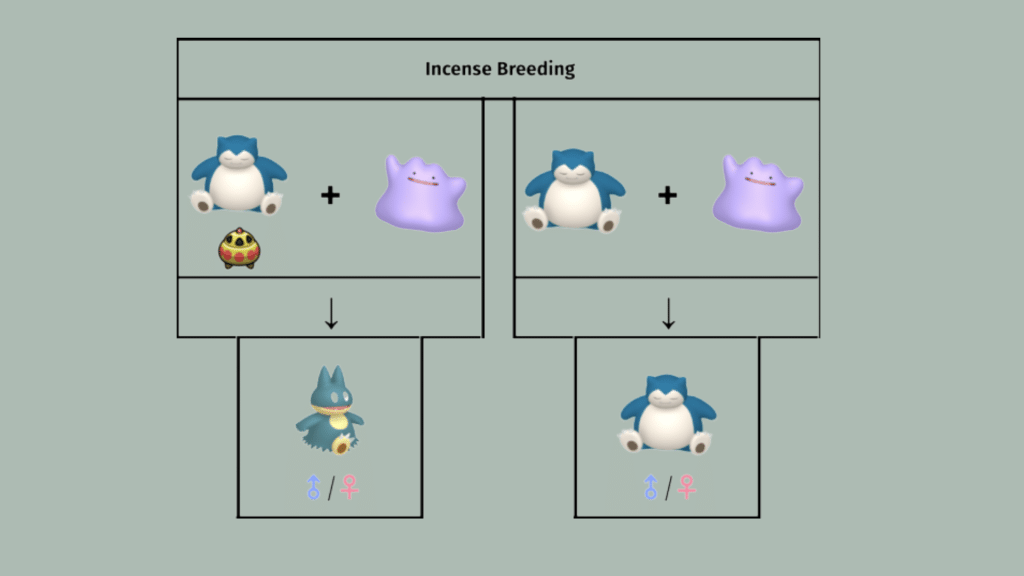
Compatibility depends mainly on Egg Groups, which determine the Pokémon species able to produce offspring together.
Pokémon in the same Egg Group can breed regardless of differences in appearance or evolutionary stages, with rare exceptions.
To ensure success, one Pokémon must be male and the other female, except when using Ditto, which can pair with almost any species.
Held items influence nature, IV distribution, and ability inheritance, making item selection a vital part of shaping the final outcome.
3. The Egg Generation Process Explained
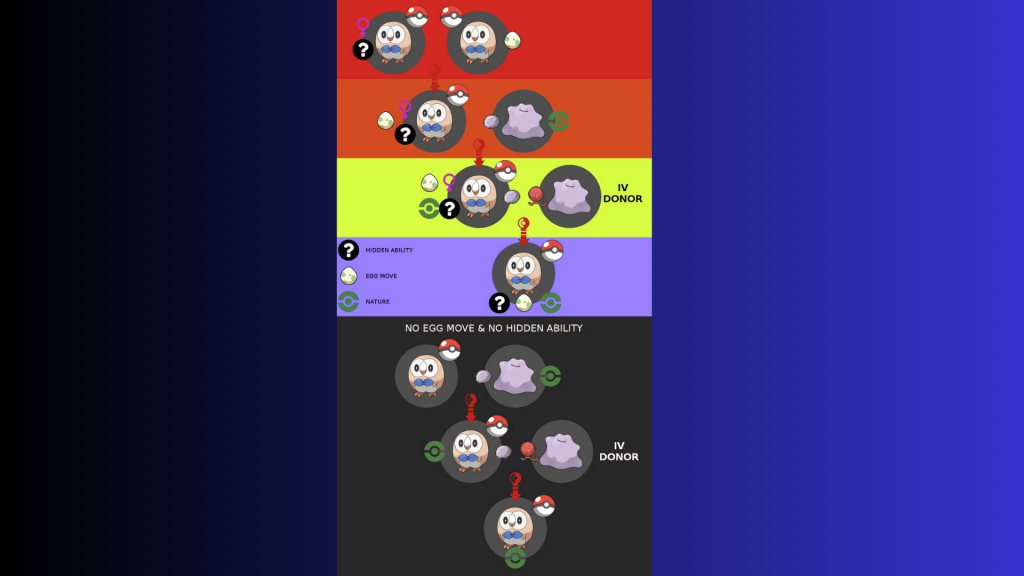
Once two compatible Pokémon are placed together, an internal check determines the likelihood of producing an egg.
Factors such as species similarity, Trainer ID differences, and Pokémon condition influence this probability.
Eggs are generated periodically, and nursery staff offer signals, such as specific body language, to indicate when an egg is available.
The egg inherits various traits from its parents, including species, nature, IVs, and certain moves, depending on held items and breeding rules.
4. Hatching Pokémon Eggs: Time and Distance Requirements

Egg hatching is determined by steps taken or distance traveled, depending on the game. Each species has a set hatch cycle, affecting how long it takes before the egg opens.
Some abilities, such as Flame Body or Magma Armor, reduce hatch time by accelerating internal progress, making team selection important during this phase.
Environmental features also help maintain consistent movement without interruptions. Keeping eggs in the active party ensures steady advancement.
Once enough steps are accumulated, the egg hatches into a Pokémon that reflects inherited traits passed down during breeding.
Understanding Pokémon Egg Groups
Pokémon Egg Groups categorize species based on shared biological characteristics, determining which Pokémon can produce eggs together.
These groups allow structured pairing, making compatibility easier to predict across different generations and regions.
Each species belongs to one or two groups, and breeding is only possible when both parents share at least one.
Ditto is a notable exception, as it can breed with nearly any non-legendary Pokémon, offering flexibility when creating offspring with targeted traits.
Understanding these groups helps streamline the selection process, reduce trial and error, and support efficient planning when shaping move sets, stats, or abilities.
Essential Items for Efficient Pokémon Breeding
A few key items make breeding smoother and more efficient by improving inheritance, speeding up egg cycles, and helping produce predictable results with less effort overall.
- Destiny Knot: Passes down five IVs from parent Pokémon.
- Everstone: Guarantees the parent’s nature is inherited.
- Oval Charm: Increases the rate of egg production.
- Power Items: Improve transfer of specific IV stats.
- Flame Body Pokémon: Reduces egg hatch time significantly.
These items make the entire breeding process more predictable, helping shape offspring with the traits needed for battles or long-term team building.
With the right tools in place, breeding becomes faster, smoother, and far more efficient, allowing consistent results without relying on luck or repeated trial-and-error attempts.
Competitive Benefits of Pokémon Breeding
Breeding provides significant competitive advantages by allowing the creation of Pokémon with carefully optimized traits suited for structured battles.
Through controlled inheritance, offspring receive ideal natures, refined IV distributions, and significant egg moves that expand strategic options in both offensive and defensive roles.
This method also delivers greater consistency than catching, which relies heavily on chance.
By producing multiple high-quality Pokémon, training becomes more efficient, and team-building becomes more flexible.
Abilities and move combinations can be tailored before leveling begins, ensuring stronger performance from the start.
According to explanations found in Pokémon breeding guides, these controlled outcomes form the foundation of competitive play, giving a reliable way to fine-tune their roster and maintain an edge.
Common Pokémon Breeding Mistakes to Avoid
Common breeding mistakes usually come from overlooking key mechanics, skipping essential items, or pairing Pokémon without planning the traits needed for future battles or training goals.
- Wrong Egg Group: Causes incompatible pairs and wasted time.
- Ignoring IV inheritance: Leads to weaker offspring.
- Skipping Everstone use: Results in unwanted natures.
- No Flame Body helper: Slows egg hatching significantly.
- Forgetting held items: Reduces control over inherited traits.
Avoiding these issues helps maintain a smoother and more efficient breeding process overall.
When compatibility, items, and inheritance rules are understood, stronger results appear more consistently, and team-building becomes much easier.
Conclusion
As I wrap up this Pokémon breeding guide, I see how much control breeding gives when shaping a stronger and more reliable team.
Every choice, from pairing compatible Pokémon to guiding inherited traits, helps create results that catching alone cannot offer.
Breeding also makes it possible to plan moves, stats, and abilities with far more accuracy, which supports long-term goals in both casual and competitive play.
With the right items and a straightforward process, the entire system becomes easier to manage and much more rewarding over time.
Anyone willing to learn the steps can build teams that feel consistent in every battle.
Ready to create Pokémon that fit your strategy perfectly? Share your thoughts or ask questions in the comments.
Frequently Asked Questions
Can You Breed Any Two Pokémon Together?
No. Pokémon must share at least one Egg Group or be paired with Ditto. Legendary and particularly notable species cannot produce eggs.
How Long Does It Take to Hatch a Pokémon Egg?
Hatch time depends on the species’ cycle count and steps taken. Abilities like Flame Body reduce the required steps significantly.
What’s the Fastest Way to Breed Shiny Pokémon?
Using the Masuda Method, a Shiny Charm, and efficient egg cycling greatly increases shiny odds and shortens the overall time needed.
Do Bred Pokémon Have Better Stats Than Wild Pokémon?
Yes. Controlled breeding allows inheritance of strong IVs, natures, and moves, resulting in more optimized Pokémon than most naturally encountered ones.