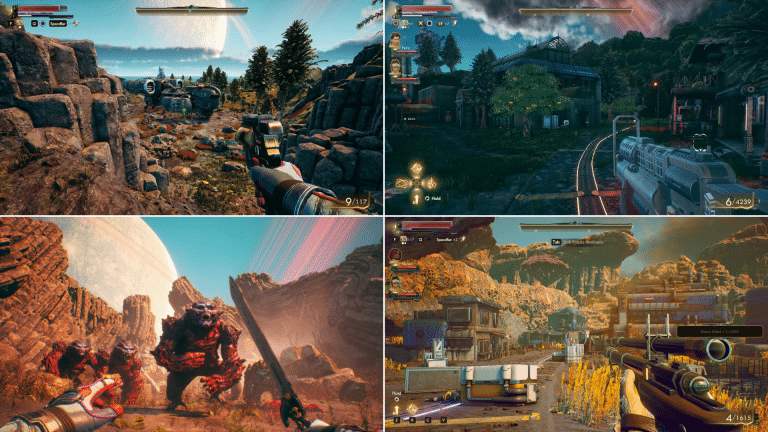


Outer Worlds review starts with a simple question. What happens when choice really matters in a sci-fi RPG?
The Outer Worlds is a story-driven role-playing game set in space, where your decisions shape how the world reacts to you. I went in expecting a fun RPG with jokes and action.
What I got was a game that feels focused, personal, and easy to get into. The experience is not about massive maps or endless systems.
It’s about smart writing, clear choices, and steady progress. Combat feels familiar, but choices give it weight.
Conversations matter more than you may expect. The tone stays light, but the themes run deeper than they first appear.
In this review, you’ll get a clear look at gameplay, story, characters, and visuals. I’ll break down what works, what feels limited, and who this game fits best.
What is the Outer Worlds About?
The story takes place in a corporate-run space colony where big companies control everything, from food to medicine.
Profit comes first, and people come second. That setup drives the entire game and shapes how every group acts.
The writing keeps things sharp and funny, using satire to point out how broken this system is. Jokes land well, but they never fully take over the story.
The main quest focuses on fixing the colony’s future and uncovering why things went so wrong. It gives clear direction and steady pacing.
Side quests add more flavor and often feel just as important. Many of them show smaller, personal struggles tied to the same greedy system.
The setting mixes clean sci-fi locations with worn-down towns, making the world feel believable and lived in without feeling too large.
Outer Worlds Review: What Critics Are Saying
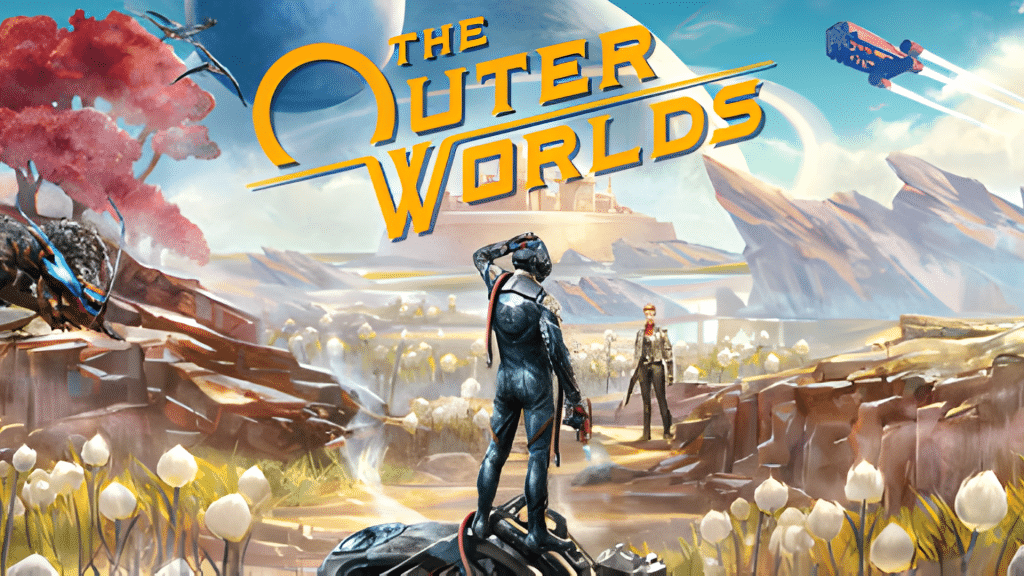
These Outer Worlds reviews sum up how different critics view the game, showing both praise and criticism to give a balanced picture before you decide to play.
1. IGN
IGN sees The Outer Worlds as a smart middle ground between classic RPG styles.
They praise how it blends strong storytelling with flexible quests inside smaller areas. While it skips one massive open world, the focused zones still offer choice and replay value.
Combat and companions feel familiar but fresh enough to stand out. IGN feels the game has its own voice instead of copying other popular RPGs.
2. Gideon’s Gaming
Gideon’s Gaming strongly praises the story, writing, and dialogue choices.
Companions feel deep and full of personality, which adds life to the world. However, the review turns negative when discussing gameplay. Combat feels far too easy, even on harder settings.
Limited options and missing mechanics like grenades make fights feel shallow, reducing the impact of otherwise interesting systems.
3. Sprites and Dice
Sprites and Dice views the game as a return to classic role-playing roots.
They enjoy how the game supports many playstyles and reacts to player choices. The sci-fi colony setting feels creative and full of personality. Even extreme playstyles feel planned for.
This review highlights imagination and freedom as key strengths, calling the game a solid choice for anyone craving a strong RPG story.
4. Geeks Under Grace
Geeks Under Grace recommends the game for players who enjoy story-driven RPGs and science fiction.
They compare it favorably to other recent RPGs, placing it slightly above similar titles. The review notes that the game offers more depth than a simple space version of Fallout.
While not perfect, it stands out through writing, themes, and its sci-fi focus over fantasy settings.
Gameplay and Combat
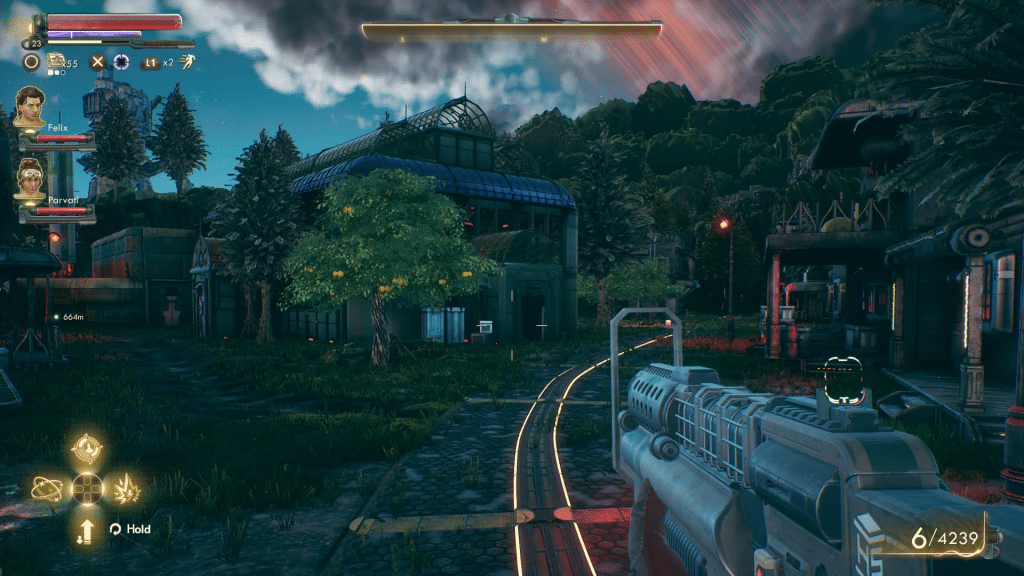
This section breaks down how The Outer Worlds feels to play, focusing on combat flow, player control, weapons, systems, and how different mechanics work together during fights.
1. Core Mechanics
The core mechanics blend shooting, skill checks, and player choice in a smooth way. You move through areas, talk with NPCs, loot gear, and handle fights at your own pace.
Skills affect combat, dialogue, and problem-solving, which help your character feel personal. I liked that the game never forces one playstyle.
Everything feels simple and clear, making it easy to enjoy without needing deep RPG knowledge.
2. Weapon Variety and Customization
Weapon variety keeps combat from feeling repetitive. You get access to pistols, assault rifles, shotguns, melee weapons, and science-based guns.
Each type handles differently and fits certain situations better. Customization stays light but useful. Mods let you change damage types, add effects, or improve accuracy.
You don’t spend too much time upgrading, but each change feels helpful and worth using during combat.
3. Time Dilation System
The time dilation system slows the world while you stay in control. It lets you aim at weak spots, plan shots, and manage tough encounters with less pressure.
This system adds a layer of strategy without breaking combat flow. I found it especially helpful when fighting stronger enemies or large groups.
It rewards smart timing and careful aiming instead of rushing through every fight.
4. Difficulty Balance
Difficulty feels well-balanced for most players. Normal mode offers challenge without frustration, while harder settings push you to use skills, gear, and tactics properly.
Enemies scale at a steady rate, so combat stays fair as you progress. You rarely feel overpowered or weak if you upgrade equipment.
The game respects player skill rather than forcing long grinding sessions.
5. Companion Abilities and Combat Support
Companions play a strong role in combat support. Each companion has special abilities that can stun, damage, or weaken enemies.
They also help by drawing enemy fire, giving you space to plan moves. Their skills work well with different builds, adding flexibility to fights.
You don’t need constant micromanagement, yet their presence makes combat smoother and more engaging overall.
Visuals and Performance
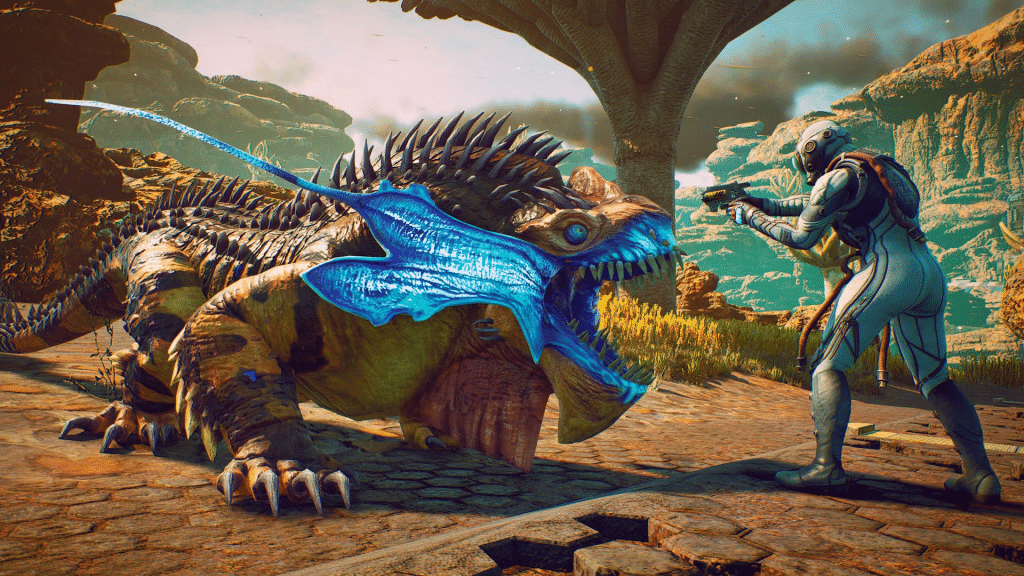
This section looks at how the game appears on screen, how smooth it runs, and how easy it feels to navigate menus during regular play sessions.
1. Graphics Quality
The graphics quality feels solid but not cutting-edge. Character models look clean, and environments show enough detail to sell the sci-fi setting.
Lighting works well in indoor and outdoor areas, helping locations feel clear and readable. Textures may not impress players looking for realism, but the game stays consistent.
Performance remains stable on most systems, with few frame drops during combat or exploration.
2. Art Direction
Art direction is where the game stands out more than raw visuals. Colors are bold, and each planet has its own look.
Cities feel controlled and sterile, while outer areas look worn and rough. This contrast fits the story well.
I liked how signs, clothing, and buildings reflect the corporate theme. The style helps the world feel distinct without needing huge or detailed maps.
3. UI and Menu Design
The UI and menu design stay simple and easy to understand. Inventory screens are clean, and icons clearly show item types and stats.
Navigation feels quick, with no deep menu layers to get lost in. Skill trees are clear and readable, even for new players.
I found it easy to manage gear, companions, and quests without breaking the flow of gameplay.
Exploration and World Design
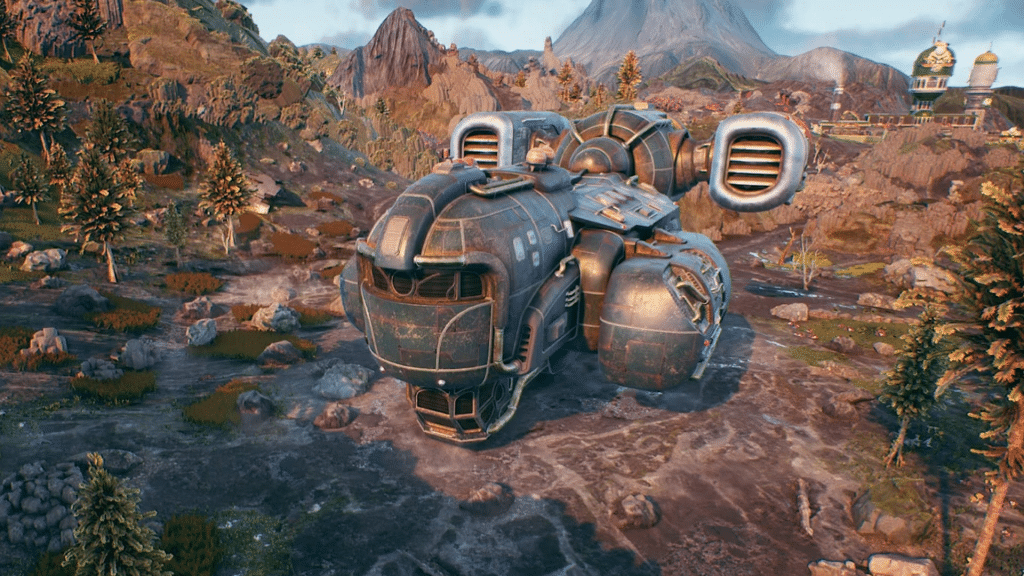
Exploration in The Outer Worlds feels more focused than wide. The game offers several planets, but each one is limited in size.
While this means less freedom to roam, it also helps areas feel tighter and easier to navigate. Each planet has its own theme, colors, and mood, which keeps locations from blending together.
The overall size and scope stay manageable. You are not dropped into massive open worlds. Instead, you move through smaller zones built around quests and story moments.
This design keeps pace steadily and avoids filler content. There are still things to discover, like hidden loot, optional quests, and small story details.
Exploring rewards curiosity without forcing long travel times or empty spaces, making the experience feel intentional and respectful of your time.
What Works Really Well
This part highlights the strongest parts of the game that make the overall experience enjoyable and help it stand out among similar RPG titles.
- Strong writing – The dialogue feels sharp, funny, and well-paced. Choices matter, and conversations rarely feel dull or rushed.
- Player choice – Decisions affect quests, characters, and outcomes in clear ways, making choices feel meaningful.
- Focused design – Smaller areas keep gameplay tight and avoid empty space or pointless tasks.
- Companion system – Companions feel useful in combat and add personality through dialogue and reactions.
What Falls Short
This section covers the weaker areas that may disappoint some players, especially those expecting a larger or deeper RPG experience.
- Limited world size – Planets feel small, which can reduce the sense of exploration for some players.
- Combat depth – Fighting stays fun, but does not evolve much over time.
- Enemy variety – Many enemy types repeat, which can make later encounters feel familiar.
- Minor technical issues – Small bugs and stiff animations appear but rarely break the game.
Conclusion
Outer Worlds review comes down to how much you value story, choice, and tight design over massive open worlds.
The game delivers a strong narrative, smart writing, and a clear focus on player decisions. Combat stays simple but fun, and systems like time dilation add just enough depth.
Companions help the journey feel personal, while smaller areas keep the pacing smooth. The visuals support the tone, even if they don’t push limits. Exploration feels guided, but it respects your time.
This game suits players who enjoy story-driven RPGs, choice-based quests, and character-focused gameplay. If you expect endless maps, it may feel limited.
But if you want a well-paced sci-fi RPG, it works well. What part of the game matters most to you when choosing an RPG? Share your thoughts, and let’s talk about it.