
Monster Hunter Wilds review starts with a lot of hype, and honestly, the wait has been intense. Fans had big hopes, and this game walked in with confidence.
From the first reveal, it felt like Capcom wanted to shake things up while keeping the core feel alive. That alone set expectations high.
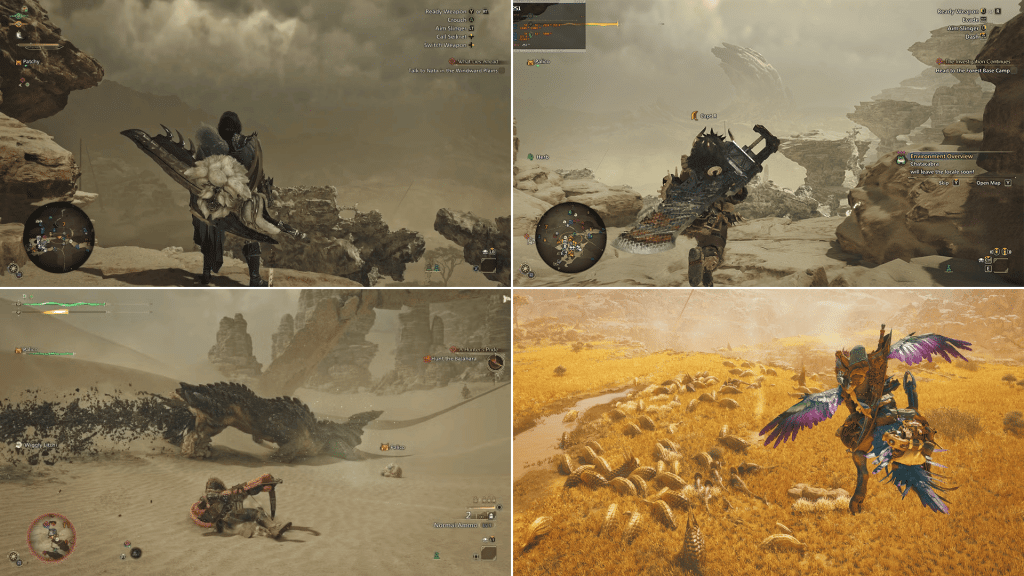
Monster Hunter Wilds brings wider areas, smoother movement, and a more connected world. The game feels more alive this time.
Weather changes matter. Monsters react in smart ways. Hunts feel less boxed in and more natural. It still feels like Monster Hunter, just stretched out in a good way.
My overall take is positive, without getting into spoilers. It has strong highs and a few rough spots, but the fun is clear early on.
In this blog, you’ll learn how the combat feels, how the open world works, what the monsters are like, and where the game shines or stumbles. This should help you decide if it’s worth your time.
What’s New in Monster Hunter Wilds?
Monster Hunter Wilds makes some clear changes that you notice fast if you’ve played past games. The hunts feel more open and less locked into tight zones.
Monsters move across large areas, and you often follow them in more natural ways. Fights feel smoother, with less stopping and more flow during combat.
Some new mechanics add depth without feeling heavy. Movement feels faster, and switching between actions is easier.
Some systems now work in the background, so you spend less time in menus and more time hunting. The world reacts more to what you do, which keeps things interesting.
Quality of life updates stand out the most. Fast travel is quicker, item use feels cleaner, and prep before hunts takes less effort.
Small changes like these save time and make long sessions easier to enjoy without frustration.
Story and Progression
The story in Monster Hunter Wilds keeps things simple and focused. It doesn’t try to steal the spotlight from the hunts, but it gives enough context to push you forward.
Characters are clear, and the world-building supports the gameplay without long or slow scenes getting in the way.
Pacing feels steady throughout the main story. Early hours move at a good speed, letting you learn systems before things get harder.
New monsters and mechanics unlock at the right time, so progress feels natural instead of rushed or dragged out.
For new players, the learning curve is fair. Tutorials explain the basics without overloading you. Tips appear when needed, and the game lets you learn by doing.
Veterans won’t feel slowed down, and newcomers won’t feel lost or overwhelmed.
The Hunting Experience
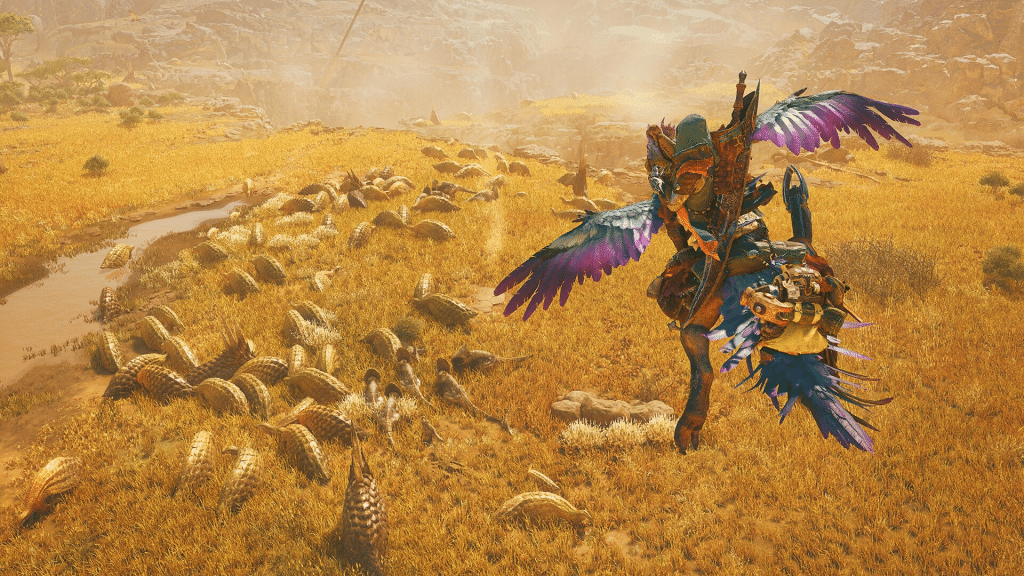
This section breaks down how hunting feels in action, how monsters behave, and how fair the challenge feels during both short and long play sessions.
1. Combat Feel and Weapon Handling
Combat in Monster Hunter Wilds feels smooth and more controlled than before. Weapon weight is still there, but attacks connect better.
Movement during fights feels faster, which helps in close moments. Dodging and countering feel more responsive, so you rely more on timing than luck.
Each weapon still has its own style, and switching between them feels natural. Even slower weapons feel easier to manage, which makes fights less tiring during longer hunts.
2. Monster Variety and Behavior
Monster variety feels strong, with both new creatures and familiar faces. Each monster acts in its own way, and patterns are easier to read over time.
Some monsters react to the environment, which makes hunts feel less scripted. You’ll notice changes in how they move, attack, and retreat.
This keeps fights fresh and stops hunts from feeling repetitive, even after several hours of play.
3. Difficulty Balance
The difficulty balance feels fair for most players. Early hunts help you learn without pressure, while later ones demand focus.
Damage feels balanced, so mistakes hurt but don’t feel cheap. Monsters scale well as you progress, and fights reward smart play.
New players won’t feel locked out, and experienced hunters still get moments that test skill and patience.
World Design and Exploration
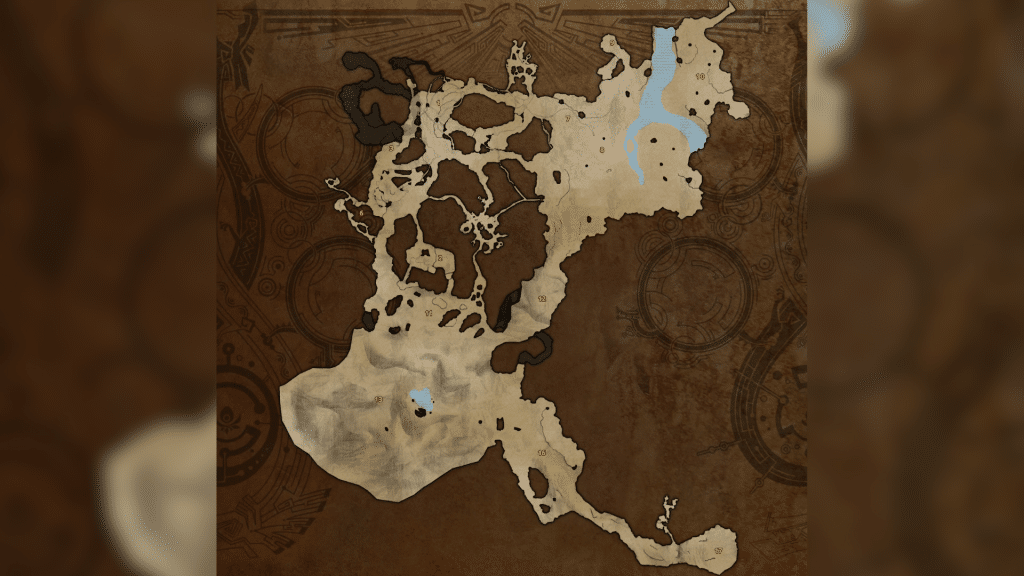
This part looks at how the world is built, how you move through it, and how the game encourages you to interact with each area during hunts and free roaming.
1. Map Design and Environments
The maps in Monster Hunter Wilds feel wide and connected, without losing detail. Each area flows into the next, so movement feels natural.
You’re not bouncing between small zones as much anymore. Landmarks help you learn the layout over time, which makes tracking monsters easier.
The environments feel alive, with moving elements that change how fights play out. This makes each hunt feel different, even in familiar places.
2. Traversal Mechanics
Getting around feels smoother and faster than before. Climbing, sliding, and jumping all feel more natural.
You spend less time fighting the terrain and more time focusing on the hunt. Mounts and movement tools help you cover large areas without slowing the pace.
These mechanics work well during combat too, letting you reposition quickly when things get intense.
3. Environmental Interactions
The world reacts to both you and the monsters. You can use parts of the environment to your advantage during fights.
Traps feel more natural and less forced. Monsters also interact with the surroundings, breaking objects or changing paths.
This adds variety to hunts and makes the world feel less static. Small details like this help the game feel more immersive.
4. Zone Variety and Biome Diversity
Each zone has a clear identity, with different terrain, colors, and threats. You move between areas that feel distinct, not reused.
Some zones focus on open space, while others feel tight and dangerous. Weather and lighting also change how zones feel over time.
This variety keeps exploration interesting and prevents the world from feeling flat or repetitive.
5. Fast Travel and Navigation Systems
Fast travel is quick and easy to use. You can move between key points without long loading times.
Navigation tools are clearer, making it easier to track monsters and objectives. The map UI feels cleaner, so you spend less time checking menus.
These systems save time and help keep the focus on hunting instead of constant backtracking.
Visuals and Performance
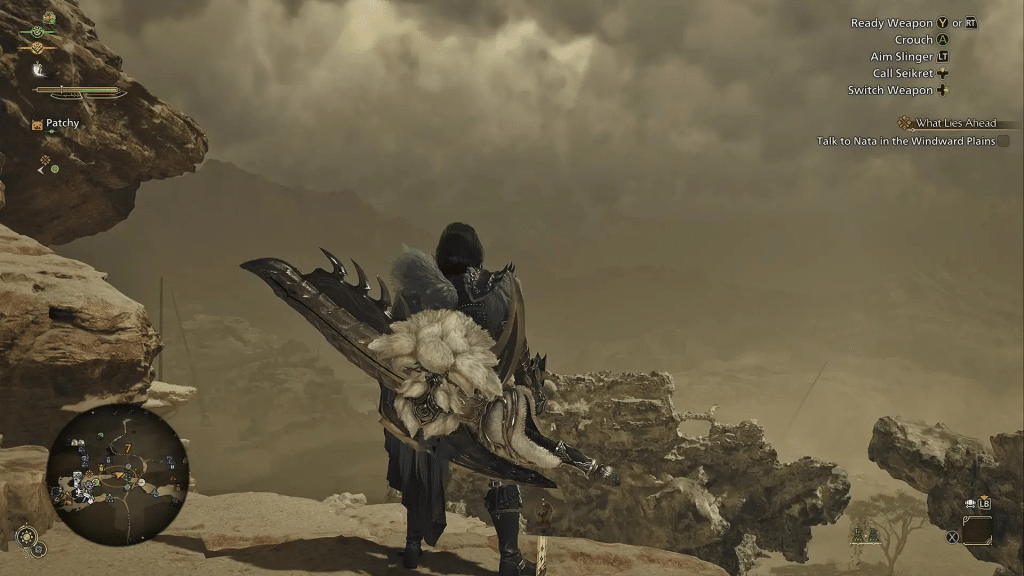
This section covers how the game looks overall and how well it runs during hunts, exploration, and longer play sessions.
1. Graphics Quality
Monster Hunter Wilds looks sharp and detailed across most areas. Textures are clean, and character models hold up well during close combat.
Lighting plays a big role, especially during weather changes and time shifts. Effects like dust, water, and impacts add weight to fights.
While not perfect in every spot, the visuals stay consistent and help sell the scale of the world and monsters.
2. Art Direction
The art style leans toward a grounded look while still feeling bold. Environments have strong color balance, and monsters stand out without looking out of place.
Armor and weapon designs stay true to the series but feel more refined. Each zone has its own mood, helped by lighting and terrain.
This makes the world feel connected but not boring to look at.
3. Frame Rate and Technical Performance
Performance in Monster Hunter Wilds is mostly solid across different situations. The frame rate stays stable during exploration, gathering, and smaller hunts.
In larger fights with multiple effects on screen, there can be slight drops, but they don’t last long or break the flow. Bugs are rare, and crashes are not common during normal play.
Overall, the game runs well enough for long sessions without causing frustration or pulling attention away from the hunt.
Multiplayer and Endgame
Multiplayer in Monster Hunter Wilds feels smooth and easy to jump into. Joining hunts with friends takes less setup, and co-op runs feel more natural.
Team fights are fun, with clear roles forming based on weapons and play style. Communication matters, but even random groups work well most of the time.
Solo play is still very doable. The game balances hunts so you don’t feel forced to play online. Monsters scale in a fair way, so solo players aren’t punished.
At the same time, multiplayer adds speed and chaos for those who enjoy group play. After the story, there’s plenty to do.
Endgame hunts, gear grinding, and harder monsters keep things interesting. Replay value stays strong if you enjoy chasing better builds and tougher fights.
Weapons and Build Customization

This section looks at how weapons feel, how armor and skills work, and how much freedom you have to shape your own play style over time.
1. Weapon Variety and Balance
Monster Hunter Wilds offers a wide range of weapons, each with a clear role. Fast weapons feel quick and responsive, while heavy ones hit hard but need planning.
Balance feels fair overall, with no single weapon feeling far ahead of the rest. Each choice changes how you approach a hunt.
This keeps combat fresh and gives players room to switch styles without feeling weak or locked in.
2. Armor and Skill System
The armor system builds on what fans already know. Skills are easy to understand and feel useful in real fights.
You can see the impact of your choices quickly. Mixing armor pieces makes sense, and bonuses feel clear.
Crafting armor feels rewarding, since each upgrade helps improve survival or damage without confusing systems getting in the way.
3. Build Diversity
Build diversity feels deeper and more flexible than before. You’re not pushed into one strong setup, which makes experimenting more fun.
You can focus on raw damage, stamina control, defense, or team support depending on your goals. Weapon choice also plays a big role, since certain skills feel better with specific weapons.
This freedom helps the game stay fresh and gives players reasons to keep testing new combinations over time.
Monster Hunter Wilds Reviews: What Critics Are Saying
Monster Hunter Wilds review impressions from critics show a mix of excitement and concern. This section breaks down what reviewers liked, what felt weak, and how the game holds up at launch.
1. IGN
IGN feels Monster Hunter Wilds makes the series easier to get into. Combat feels flexible and fun, and weapons are a joy to use.
At the same time, the challenge feels lighter than expected. They mention barely needing deep gear builds to win hunts.
While the moment-to-moment action shines, the lack of tough endgame monsters makes the experience feel shorter than it should right now.
2. RPGFan
RPGFan sees strong potential but feels the game isn’t fully there yet. The foundation feels solid, and many systems show promise.
Still, what’s available now feels like a starting point rather than a complete vision. They’re hopeful that future updates or expansions will build on this base.
If Capcom delivers later, they believe it could become one of the strongest entries in the series.
3. XboxEra
XboxEra points out that the game feels fun but a bit easy at launch. Playing with friends makes the experience more enjoyable, especially during the main campaign.
However, they feel the gear grind is missing. Without needing specific items to survive tougher hunts, the long-term challenge feels limited.
They suggest future updates could add depth by bringing back harder monsters and stricter build requirements.
4. GameSpot
GameSpot praises the monster designs, calling them the strongest part of the game. Each hunt feels intense and memorable, especially during major battles.
That said, they mention performance issues, simple environments, and a weak story. Even with these flaws, fighting monsters remains exciting.
They feel the game doesn’t change the formula much, but it refines it just enough to still be enjoyable.
5. Xbox Tavern
Xbox Tavern views Monster Hunter Wilds as a great entry point for new players. The game helped them connect with the series for the first time.
They enjoyed the long campaign and found enough depth to stay interested. The endgame content also stood out, offering reasons to keep coming back.
While welcoming for beginners, they believe longtime fans will still find plenty to dig into.
Conclusion
Monster Hunter Wilds review comes down to how much you value smooth combat and open hunting over deep challenge at launch.
The game feels fun right away, and the flow of hunts is easy to enjoy. Combat is fast, monsters look great, and moving through the world feels natural.
At the same time, the difficulty feels lighter than expected for long-time fans. Some systems don’t push you hard enough yet.
Still, the base is strong. New players will feel welcome, and solo or co-op play stays enjoyable for many hours. The endgame may feel thin right now, but future updates could change that fast.
If Capcom adds tougher monsters and more reasons to grind, this could grow into something special.
If you’ve played the game, share what you think. Did the challenge feel right to you, or do you want more from the endgame?