
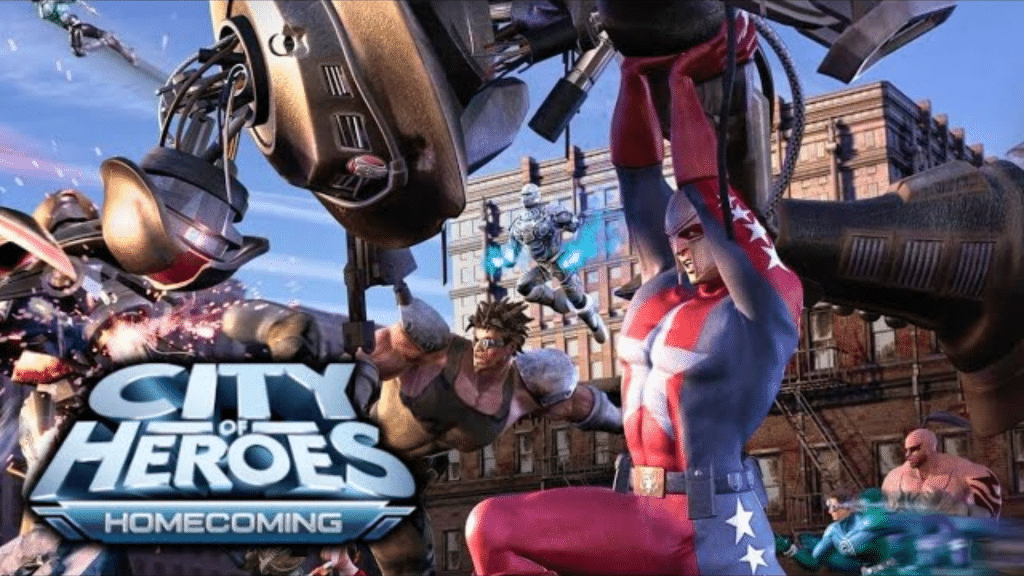
City of Heroes Homecoming has become the place where many players, including me, go to understand how the game has grown since the original servers closed.
When I first returned, I wanted real details about how Homecoming started, how it kept the spirit of the old game, and what updates shaped the version we play now.
Many players look for the same answers, especially if they haven’t logged in for years.
In this guide, I share the history behind City of Heroes Homecoming, the major changes the team has added, and how today’s experience compares to the classic MMO.
My goal is to give a clear view of what has changed, what has stayed familiar, and what new players and returning heroes can expect now.
What is City of Heroes Homecoming?
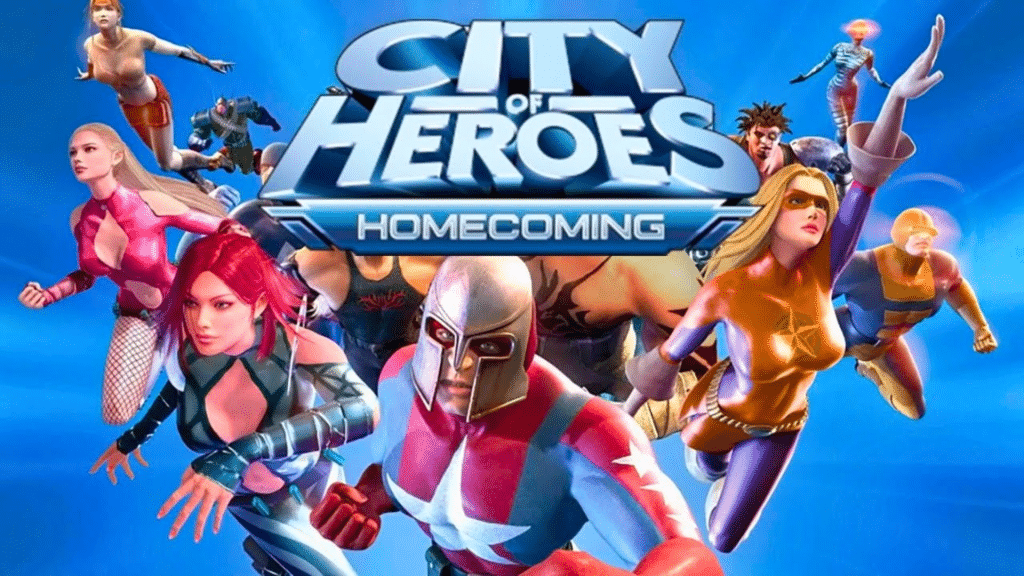
City of Heroes Homecoming is a community-run version of the original MMO that brings the game back with steady updates and support.
After the official servers closed in 2012, players looked for a way to keep the experience alive, and Homecoming became the most stable place to play.
It keeps the core gameplay that longtime fans remember while adding changes that help the game feel smoother and more active today.
The Homecoming team runs the servers on a volunteer basis and continues to release updates that improve balance, fix issues, and add new content.
Players can join for free, create characters, and explore the world with others who still enjoy the game. For many returning fans, Homecoming is the best way to experience City of Heroes today.
The History Behind City of Heroes Homecoming
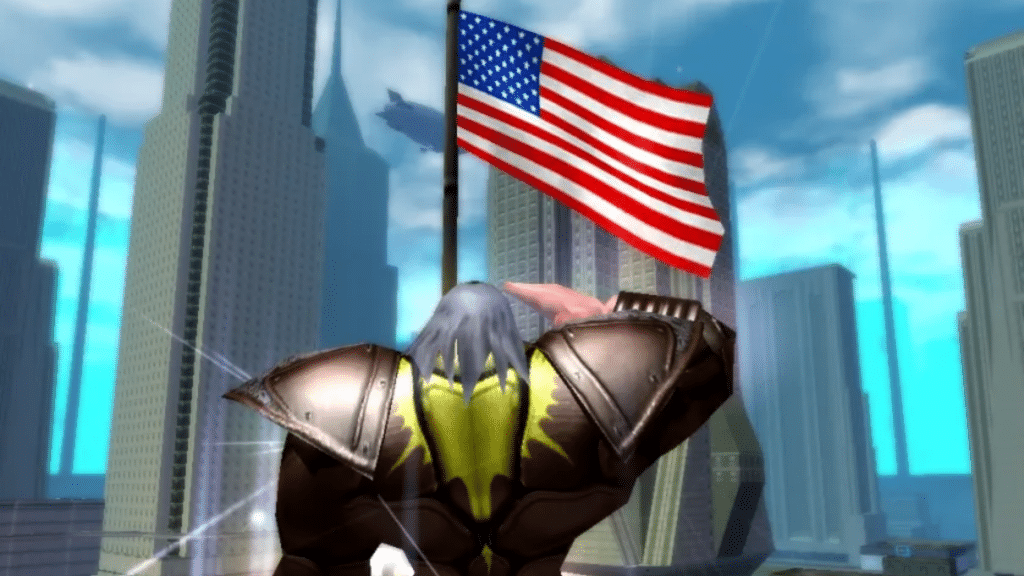
This section provides a high-level timeline of the game’s development after the official shutdown. It explains the early emulator stage, the rise of the Homecoming team, and the ongoing development today.
1. Early Emulator Efforts
After the 2012 shutdown, the first leaks and emulators appeared, showing that City of Heroes could run outside official servers. Players reacted quickly, forming small groups to test the early builds and share progress.
These versions were far from perfect, but they proved the game wasn’t gone forever.
As more people joined in, the community expanded, and interest grew around creating something stable that players everywhere could access and enjoy again.
2. Transition to the Homecoming Team
As demand increased, the Homecoming team stepped in to create a reliable, public server cluster that anyone could join. Their organized approach replaced scattered emulator projects and gave players a central place to play.
Over time, Homecoming worked toward agreements that allowed it to operate with NCSoft’s awareness, giving the community confidence that the servers were stable.
This transition marked the moment Homecoming became the primary home for returning players.
3. Ongoing Evolution
Homecoming continues to grow through a volunteer team committed to improving the game. They add new content, adjust powers, enhance performance, and refine systems that were never touched in the original version.
Their active development cycle keeps the game feeling fresh while preserving what players loved.
Each update builds on the foundation of the classic MMO, showing how Homecoming has become more than a revival; it’s a living continuation shaped by dedicated creators and players.
Key Updates on City of Heroes Homecoming
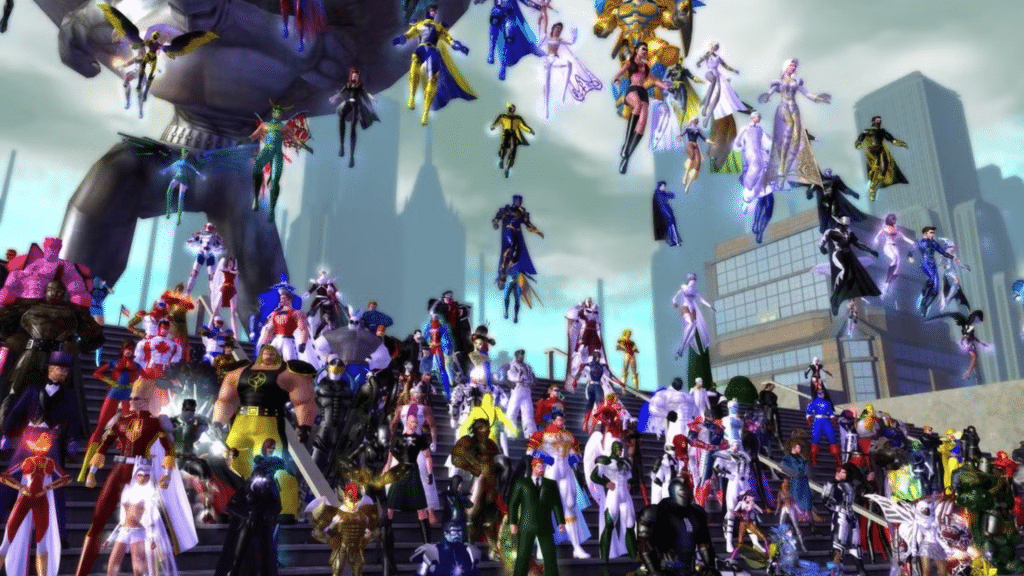
City of Heroes Homecoming has seen steady updates that shape how the game plays now. This section focuses on the major changes players notice most, from new powersets to quality-of-life improvements.
1. New Powersets
Homecoming introduced several new and reworked powersets that expand character options far beyond the original game.
These additions give players more flexible builds, new playstyles, and updated mechanics that make old sets feel smoother. Many powersets were balanced or adjusted to address long-standing issues.
The goal has been to keep the classic feel while giving players more ways to customize heroes. These changes make returning to the game feel new without losing the core style.
2. Quality-of-Life Improvements
Homecoming added updates designed to make the game easier to play, especially for returning players. Leveling is smoother with improved XP options, travel powers unlock earlier, and interfaces feel more modern.
Features like faster crafting, clearer enhancement management, and better team-finding tools help remove the friction that existed in the original game.
These improvements keep the game familiar but reduce outdated pain points that once slowed players down.
3. New Systems and Mechanics
The Homecoming team expanded and adjusted core systems to give players more control over difficulty, progression, and rewards.
They improved the Incarnate system, added new difficulty sliders, and updated reward structures to support varied playstyles. Some systems that were barely used in the original game now feel more meaningful and integrated.
These ongoing updates help the game stay active and engaging while respecting the structure that longtime players remember.
4. Performance and Engine Adjustments
Homecoming includes engine and performance upgrades that make the game run more smoothly than before. The team improved stability, reduced crashes, and refined many underlying systems.
Players also benefit from optional graphic enhancements that modernize the look without changing its style.
These adjustments help City of Heroes feel less dated and support large teams and fast action, something that wasn’t always reliable in the original version.
What’s Different in Homecoming?
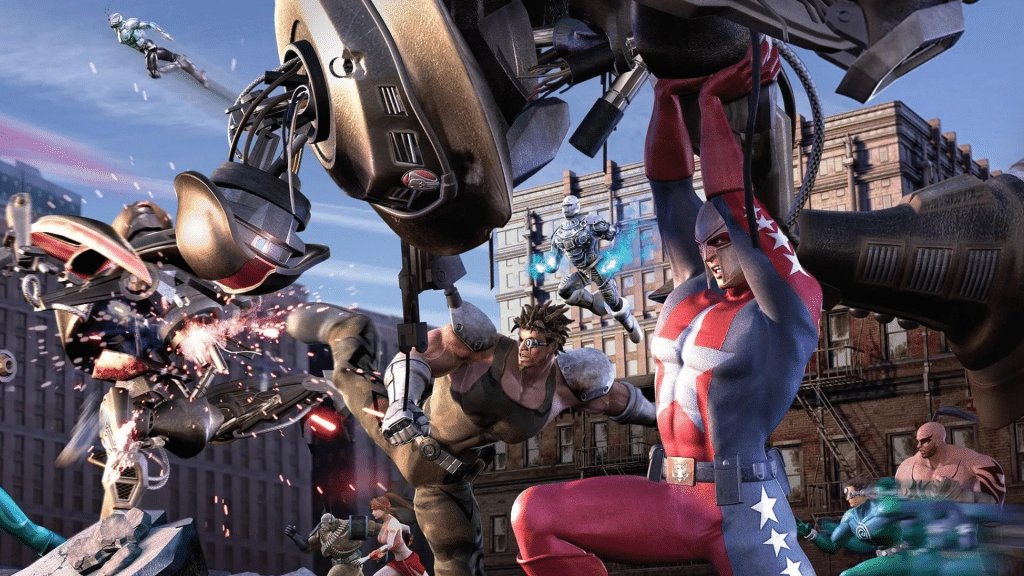
City of Heroes Homecoming keeps the core experience intact while updating systems that the original game never had the chance to improve. This section explains the major differences that returning players often notice.
1. Balance and Powerset Adjustments
Homecoming includes extensive balance work that the original game never received. Many powersets were re-tuned to fix weaknesses, smooth rotations, and support more playstyles.
Tankers gained stronger area attacks, Blasters received tweaks for survivability, and support sets were adjusted for better team synergy. These updates create a more flexible and balanced environment.
Returning players often find their favorite sets feel familiar, but noticeably improved compared to the version they used years ago.
2. Updated Missions and Story Content
The Homecoming team created new story arcs, revamped older missions, and expanded task forces that once felt limited. These updates keep the leveling experience fresh and give returning players something new to explore.
Some missions were rewritten to remove outdated elements, while others were restructured to improve pacing. Additional arcs and events also extend endgame options.
This blend of new and updated content provides a continuous experience that the original game never fully developed.
3. Player Experience Changes
Homecoming adjusts leveling, rewards, crafting, and enhancement systems to be smoother and more accessible. Leveling feels faster, the reward tracks are clearer, and enhancement management is more forgiving than before.
Crafting uses modern shortcuts, and social features like team tools and channels help players connect more easily.
These changes make the game easier for newcomers while giving returning players a more streamlined version of the systems they once used.
Why Players Choose City of Heroes Homecoming?
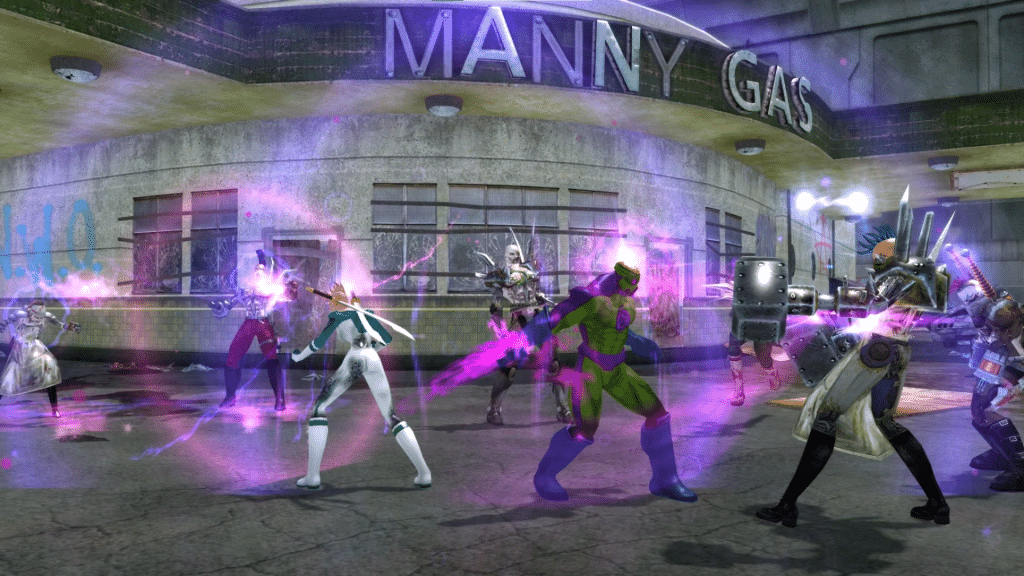
City of Heroes Homecoming keeps growing because it offers a stable, updated version of the game that still feels familiar. This section explains why many players choose Homecoming over older or unofficial versions.
1. Active and Welcoming Community
Homecoming’s community is one of its strongest features. New and returning players find active chat channels, helpful guides, and teams forming throughout the day.
Many veterans enjoy helping others learn the updated systems or revisit old missions. The supportive atmosphere makes the game feel alive, even years after the shutdown.
This active player base gives Homecoming a level of social energy that mirrors the best moments of the original City of Heroes.
2. Free Access and Player Freedom
Homecoming allows players to join for free, build as many characters as they want, and try different playstyles without limits.
There are no subscription fees or gated systems, making it easy for returning players to explore the game at their own pace.
This freedom encourages experimentation, whether someone is testing new powersets or revisiting classic builds. The open structure gives players a sense of control that many modern MMOs no longer offer.
3. Nostalgia With Modern Updates
Many players return because Homecoming keeps the heart of the original City of Heroes intact while updating systems that once felt outdated.
The game still looks and plays like the version fans remember, but smoother and more polished. New content adds freshness without removing the classic feel.
This blend of comfort and improvement creates an experience that appeals to both long-time heroes and players trying the game for the first time.
How to Get Started With City of Heroes Homecoming
Many players return after years away and want a simple way to begin again. This section explains how to set up an account, install the game, choose a server, and start playing with confidence.
1. How to Create an Account
To begin, players create an account on the official Homecoming website by filling out a short registration form. The process is quick and gives immediate access to the launcher.
Once the account is active, players can log in to manage settings and track characters. This step is important because Homecoming uses its own login system, separate from the original game.
After registering, players can download the installer and proceed to the next stage.
2. Downloading the Launcher
The Homecoming launcher is simple to install and guides players through the setup process. It automatically updates game files, handles patches, and keeps everything organized.
The launcher also includes links to patch notes and support resources, which help returning players understand what has changed. After installation, players select their preferred server and log in.
This smooth setup removes many of the technical barriers that once existed in the early emulator days.
3. Choosing a Server
Homecoming offers several public shards, each with its own active community. While all servers share the same features and updates, some may feel busier during peak hours.
Players can create characters on any shard and switch between them based on personal preference. There’s no wrong choice, and many players try a few servers before settling on one.
This flexibility makes it easy to find a comfortable environment for teaming and long-term play.
4. Beginner Tips for Returning Players
Returning players often benefit from a few simple tips. Starting with a familiar archetype helps ease the learning curve, especially since powerset updates may feel new.
Using the Help and LFG channels makes it easy to find teams or ask questions. Travel powers unlock earlier, so movement feels quicker than before.
Players should also check out new content, such as revamped story arcs and modern quality-of-life tools. These small steps make the transition back into the game smoother.
Conclusion
City of Heroes Homecoming has become the version of the game I turn to when I want the same feeling the original gave me, but with updates that make it easier to enjoy today.
After learning how the servers started, grew, and have changed, I appreciate how the Homecoming team kept the game alive without losing what made it special.
The history, the steady updates, and the community support all show why players still return.
When I look at the changes from the original game, I see a version that respects the past while fixing the issues that once held it back.
If you’re thinking about jumping in again, Homecoming gives you a clear, updated, and reliable way to enjoy City of Heroes today.