

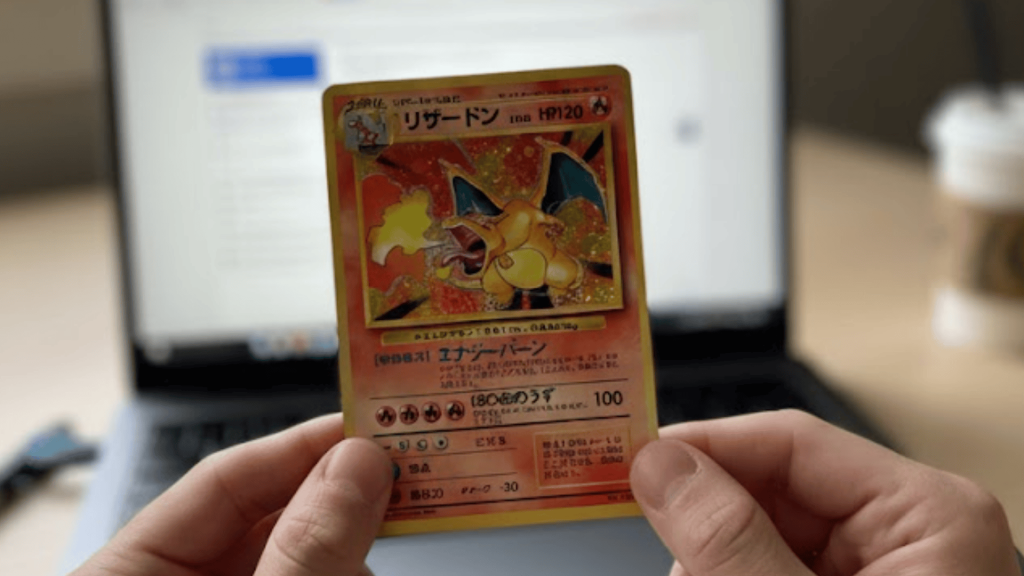
Many times, you hear stories about Pokémon cards selling for huge prices, and you start wondering how to grade Pokémon cards so you can understand your card’s real value.
When you try learning everything on your own, things get confusing because different grades look similar, and you are not sure why some cards score higher.
After you know the grading process, you will notice how tiny marks can shift prices quickly.
You will see simple steps that help you check your cards with calm confidence, and where to get Pokémon cards graded without feeling lost.
I’ll show you how grading works, how pre-grading helps your cards, and how it makes collecting simpler.
What Does the Term Grading Actually Mean?
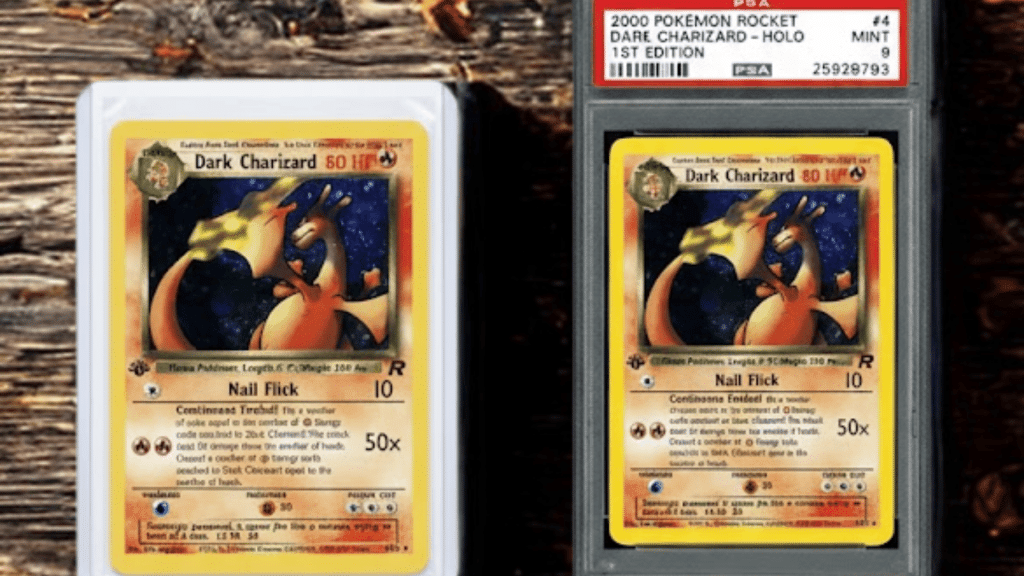
Grading means checking a card very closely to understand its actual condition using clear rules that collectors trust, which keeps things simple during trades.
Each card is checked for centering, corners, edges, and surface issues so its real quality is clear.
Grading also proves the card is real, which protects buyers from fakes that feel super common in the card world and can cause stressful problems quickly.
Once graded, the card is sealed in a hard plastic case that keeps it safe for years.
This system works for Pokémon cards, sports cards, or any other game that gives everyone an easy shared language about condition.
It removes arguments about near-mint grades, helping new and experienced collectors trade with confidence.
Tools & Materials You Need Before Pre-Grading
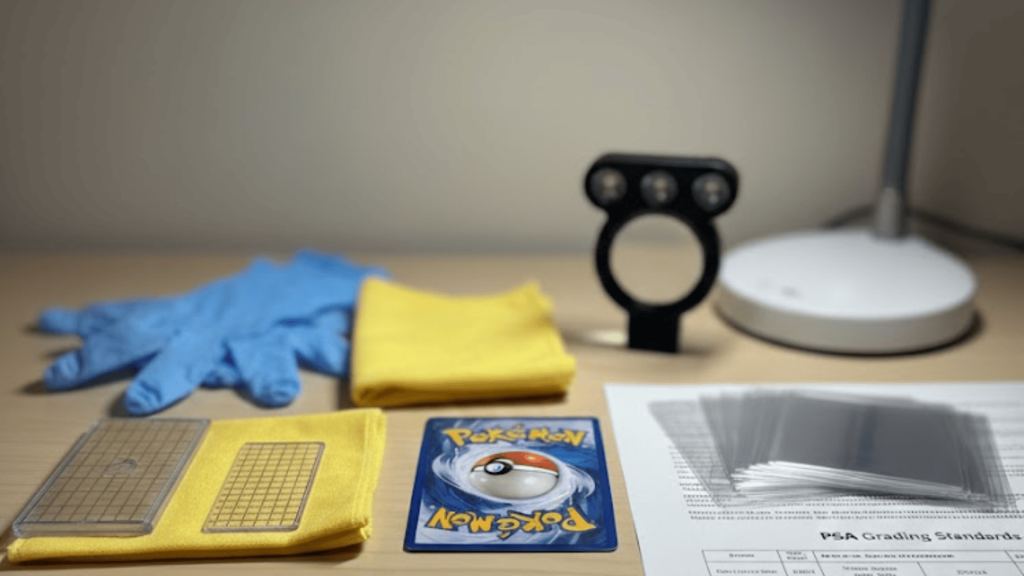
You should gather the right tools before checking your cards, as each item helps you inspect, protect, or measure the cards more accurately.
- Powder-free medical glove
- Fresh microfiber cloth
- Centering tool with numbered lines
- Magnifier with built-in LED lights
- Bright desk lamp or intense LED light
- Penny sleeves
- Semi-rigid Card Savers
- Clean dust-free workspace
- PSA grading standards page
These basic items make the pre-grading process smoother and help you understand your card’s condition with better confidence.
How to Grade Pokémon Cards?
Before sending your card to a grading company, you should check everything carefully at home to ensure it is in its proper condition before paying any grading fees.
Step 1: Wear Gloves and Handle the Card Safely

You should wear a powder-free glove on one hand to keep fingerprints and oils off the surface while you look at the card closely.
Many collectors lift the card by sliding a penny sleeve underneath, which helps avoid touching the artwork with bare fingers.
This simple method keeps the card clean and makes it easier to handle without adding marks.
It also gives you better control during your early checks, helping you decide if the card is in good enough shape to send in for grading.
Step 2: Inspect the Back of the Card First

Most flaws appear on the back, so checking there first saves time and helps you avoid sending in weak cards that will not score well.
Look closely at every corner for whitening since even small white spots can drop the grade faster than beginners expect.
If you notice two or more strong whitening marks, the card likely will not earn a high grade.
This simple step helps you decide whether the card is worth grading or if you should move on at this early stage.
Step 3: Measure Centering with Your Centering Tool
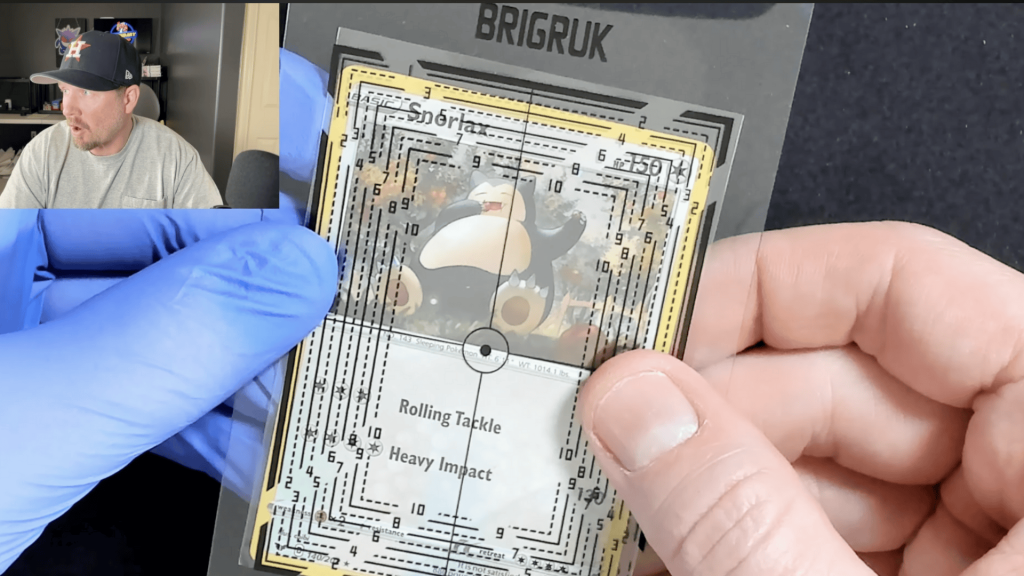
Place the card inside a penny sleeve and lay it gently on the centering tool to keep the surface safe during measurements.
Match each border to the numbered lines, then compare them with PSA’s centering rules to see if the card meets their strict standards.
Make sure you check both the front and back, since graders look at both sides when scoring.
This quick process helps you judge the card with more confidence and decide if the centering is strong enough for a good grade.
Step 4: Check the Surface Using an Angled LED Light
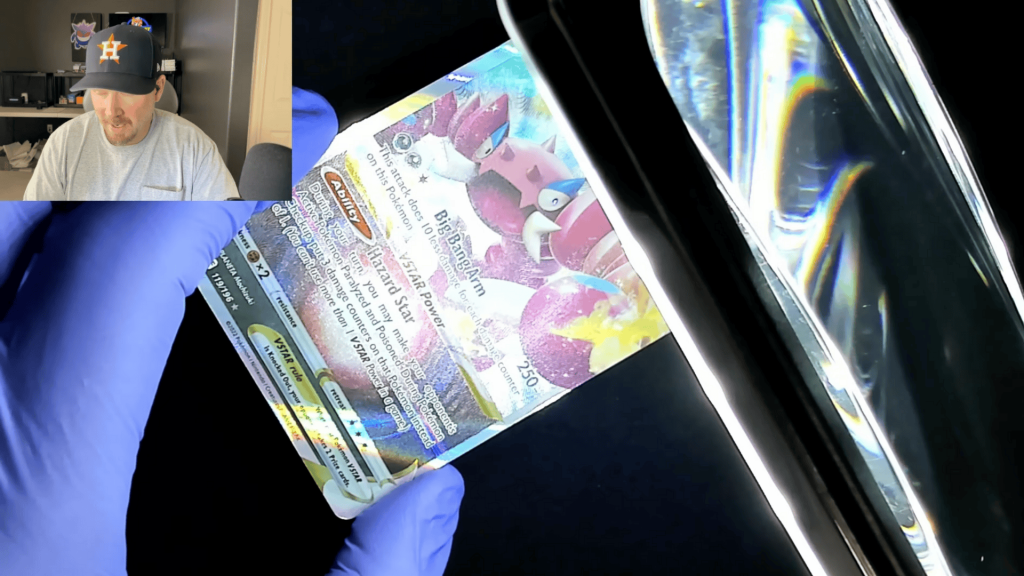
Hold the card under a bright LED light and tilt it slowly because this angle makes scratches, print lines, dents, and swirl marks easier to see.
Watch for odd reflections or tiny marks that vanish in normal light, since these can quickly lower a grade.
If anything seems unclear, use your magnifier to find out if the flaw is just dust or a real surface issue. This careful check helps you understand the card’s true condition before sending it in for grading.
Step 5: Clean the Card Gently and Prepare It for Submission

Give the card a soft wipe with a clean microfiber cloth to remove dust or loose fibers that may have shown up during handling.
Once the surface is clear, place the card into a fresh penny sleeve to keep it protected.
After that, slide it into a semi-rigid holder so it stays secure before shipping it to the grading company.
This final step helps you avoid last-minute damage and keeps the card in stable condition for the graders who will review it closely.
Check out this video by Legendary Cardboard to see the complete pre-grading method explained visually for better understanding.
How Pokémon Cards Are Graded?
Pokémon cards are graded by checking several essential details that help experts understand the card’s real condition with no guesswork involved during trades.
| Grade | Condition Description |
|---|---|
| PSA 10 | Gem Mint: Perfect, flawless card |
| PSA 9 | Mint: Minor imperfections |
| PSA 8 | Near Mint-Mint: Light wear |
| PSA 7 | Near Mint: Noticeable wear |
| PSA 6 | Excellent-Mint: Moderate wear |
| PSA 5 | Excellent: Clear defects |
| PSA 4 | Very Good-Excellent: Major flaws |
| PSA 3 | Very Good: Heavy wear or damage |
| PSA 2 | Good: Significant damage |
| PSA 1 | Poor: Severe damage |
Graders check centering, corners, edges, and surface marks with bright lights and magnifiers to catch flaws collectors often miss.
Each detail matters because even one small issue can lower the final grade and keep the process fair.
Why Should You Get Pokémon Cards Graded?
Getting your Pokémon cards graded helps you understand their true condition and protects them from damage.
The grading label shows clear details about centering, corners, edges, and surface, so buyers know exactly what they are getting.
This removes guesswork and makes trading or selling smoother.
Grading builds trust because the card is checked by trained graders who follow strict rules. It also keeps your card safe since it is sealed in a strong case that prevents bending, scratches, and dust.
A graded card holds a more stable value, making it easier to track prices and compare it with similar cards.
This process helps collectors avoid mistakes, stay organized, and make better choices when handling rare or expensive cards.
Where to Get Your Pokémon Cards Graded?
These grading companies set clear standards that help collectors understand card quality. They also give cards stable value, which makes buying and selling easier.
1. Professional Sports Authenticator (PSA)
Professional Sports Authenticator is the most well-known grading company because many collectors trust their scores, and their slabs often sell for higher prices online.
PSA follows strict rules, which makes buyers feel confident when paying more for their graded cards.
Their cases are strong, clear, and easy to stack, which adds to their popularity.
Many collectors prefer PSA because the company has a long history, a steady grading system, and a marketplace where PSA cards tend to perform well.
2. Beckett Grading Services (BGS)
Beckett Grading Services is another grading choice people like because it provides subgrades that show how each part of the card scored.
These subgrades break down centering, corners, edges, and surface, which helps collectors see the strengths and weaknesses of a card.
BGS also offers different label styles, including the well-known black label for top-tier cards.
Their cases feel thick and durable, which many collectors enjoy. BGS is useful for people who want detailed grading information rather than a single final score.
3. Certified Guaranty Company (CGC)
Certified Guaranty Company started with comic books but is now respected in the trading card world for its consistent grading and clear slabs.
Many collectors like CGC because their grading tends to be strict yet steady, giving cards reliable scores.
Their labels are easy to read, and the company returns cards quickly, which helps people who want faster service.
CGC is becoming more popular as collectors look for grading that is both affordable and precise, especially for modern cards.
Pros and Cons of Getting Pokémon Cards Graded
Grading your Pokémon cards can feel exciting because it helps you understand their true condition, but it also comes with some costs and rules you should know first.
| Pros | Cons |
|---|---|
| Increases card value for collectors and sellers | Grading fees add up when sending many cards |
| Proves the card is real with expert checking | Long wait times during busy grading periods |
| Keeps the card safe inside a strong plastic case | Grades can vary since humans still review cards |
| Makes trading easier with one clear condition score | Shipping adds risk and costs for every order |
| Helps rare cards stand out in big collections | Some cards may not increase much in value |
These points make it easier to decide if grading feels right for your cards and your collecting goals.
Things to Remember Before Sending a Card for Grading
You should double-check a few essential steps before mailing your cards because simple mistakes can cause delays or problems during the grading process.
- Always clean the card with a soft microfiber cloth because tiny dust particles or fingerprints can change how the surface looks during inspection.
- Use a fresh penny sleeve and a proper semi-rigid holder, as these protect the card and align with the rules set by grading companies.
- Follow the order on your printed submission list carefully, as graders want the cards arranged exactly as in the paperwork to avoid confusion.
- Pack your cards tightly between cardboard pieces to prevent bending, which protects the edges and helps the cards survive shipping safely.
- Use tracked and insured shipping so you stay protected if something happens, because lost packages can cause stress that no collector wants.
These simple steps help make sure your cards reach the graders safely and return in the best possible condition.
Conclusion
When you understand how grading works, you feel more confident choosing which cards deserve attention and which ones should stay safely in your collection.
Knowing what graders look for helps you see your cards differently and understand how small details change scores.
Following the right steps, you protect your cards from damage and give them a better chance at earning stronger grades that feel rewarding.
You also feel calmer when sending cards to a grading company because you know exactly what to expect during each step.
Make sure to use these ideas to grow your collecting skills and feel proud of every card you grade.
Have you ever graded a card before or thought about sending one soon? Share with me in the comments below.