

Running out of space while installing League of Legends feels frustrating, especially when the game looks small but keeps asking for more room.
I have seen many players confused about how big League of Legends really is, and why updates keep eating storage over time.
The game adds champions, skins, sounds, and system files regularly, which increases the total size on your device.
If you play on a tight SSD or shared computer, knowing the real storage size helps you avoid failed installs and slow updates.
I will be telling you how much storage League of Legends actually takes, why it grows, and how to plan space properly.
Managing space on your PC helps you achieve smooth gameplay & high KO streaks, with your name flashing as a professional.
Why Storage Size Matters for LoL Players?
Storage size matters because League of Legends updates often, and low disk space can block patches, slow launches, or stop the game from opening fully.
Players using smaller SSDs or shared computers notice this faster, since the Riot client needs extra room to download and unpack update files safely.
- Regular updates need free space twice, once for the download and again for unpacking, which catches many players off guard on tight drives.
- Managing storage early helps keep system speed stable, lets other games stay installed, and avoids panic during ranked sessions or event days.
When space runs low, updates may loop, fail halfway, or force restarts, which feels annoying when friends are already waiting in the queue for you.
This often leads to rushed deletions or reinstalls that waste time and kill the fun before matches even begin.
Current Storage Size of League of Legends

League of Legends takes around 23 to 25 GB on most systems after a clean install, with total usage reaching 26 GB once caches appear.
The Riot client downloads compressed files first, then expands them during setup, which explains why the free space feels higher than expected.
Windows systems usually sit closer to the lower end, while Mac systems can use slightly more space due to file handling differences.
Here’s a quick storage breakdown:
| Component | Approx Size |
|---|---|
| Core game files | 16-18 GB |
| Client and services | 3-4 GB |
| Logs and caches | 1-2 GB |
| Config and saved data | Under 1 GB |
| Total installed size | 23-26 GB |
The main game folder holds champions, maps, sounds, and visuals, while the client keeps patch data and service files nearby.
Temporary files build up slowly through updates, replays, and logs, which adds extra usage over time if not cleaned.
Understanding the Extent of Storage Growth
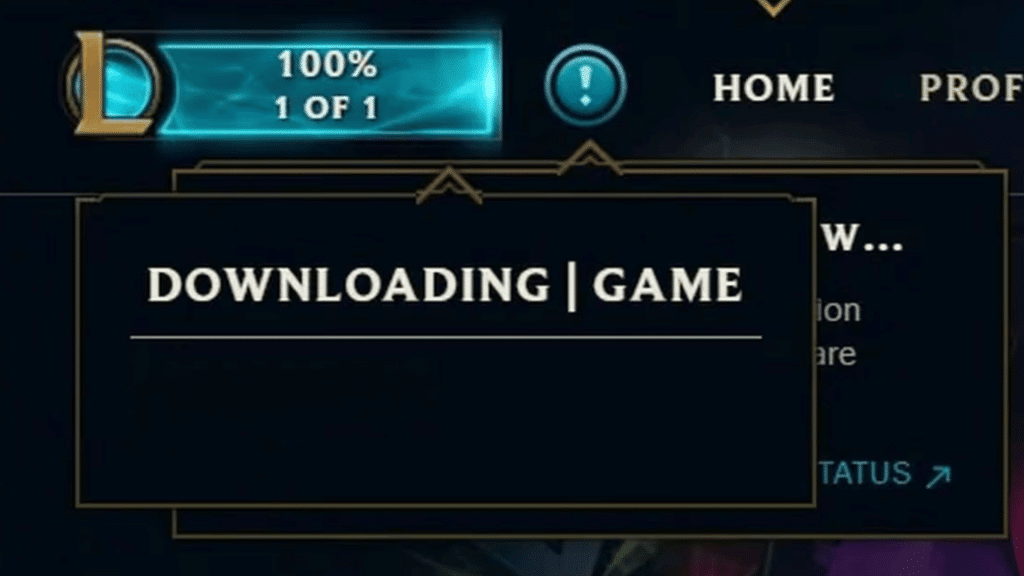
League of Legends has grown in size because the game keeps adding more playable content, visuals, and systems that stay installed permanently.
Each update may look small, but over time, these additions stack up and slowly raise the total space the game needs.
- New champions keep arriving, and each one adds models, animations, sounds, voice lines, and effects that stay on your system.
- Skins and cosmetic updates add high-quality visuals, sound effects, and recall animations, which take more space than older basic designs.
- Map updates, event modes, and visual changes increase texture sizes and background files that remain even after events end.
- Client updates add features, tools, and background services that increase storage even when gameplay feels unchanged.
- Logs, replays, and temporary patch files collect quietly and grow larger when they are not cleared regularly.
All these pieces explain why storage grows steadily, even when individual updates feel small during regular patch downloads.
Projections for Next Year’s Storage Needs

League of Legends storage usually grows slowly, with most regular updates adding around 1 to 2 GB spread across many small patches.
These increases come from new characters, visual updates, sound files, and system changes that stay installed instead of replacing older files.
On average, each update downloads a few hundred MBs, but only part of that becomes permanent data on your drive.
Over a full cycle of updates, this steady pattern pushes the total install size closer to the mid twenties range for most players.
If no major rebuild happens, a clean install should land near 24-28 GB, while active systems may reach higher due to caches.
Keeping extra free space ready helps updates install smoothly without pauses, errors, or forced reinstalls during busy patch days.
Tips for Managing and Optimizing LoL Storage
Managing storage early keeps League of Legends running smoothly and prevents update failures that usually happen when free space drops without warning.
- Use the Riot client repair or full reinstall optiononce in a while to remove old patch leftovers and bring the game back to a clean slate.
- Delete replay files and log folders regularly, since these grow quietly after matches and take up space without affecting gameplay at all.
- Keep at least 8 to 10 GB free before patch days so downloads and file unpacking finish without errors or endless update loops.
- Install the game on a fast drive if possible, since loading and patching feel quicker when files are read faster.
Simple cleanup habits like these save time, avoid frustration, and keep the game ready whenever you want to jump into matches.
Conclusion
Now you clearly know how big League of Legends really is and why the space used feels higher than what the Riot client shows.
I know storage worries can feel annoying, but understanding file growth makes it easier to stay calm during updates or fresh installs.
You can now plan downloads better, keep enough free space ready, and avoid errors that stop patches halfway or force quick reinstalls.
This knowledge also helps you decide when cleaning files or reinstalling makes sense instead of guessing every time space runs low.
The good thing is that it doesn’t only help with Legends, but with other games too.
With this guide, planning storage becomes simple, practical, and far less frustrating for both new players and long-time fans.
Still unsure about your League of Legends storage or facing update issues right now? Tell us, share with us in the comments below.