

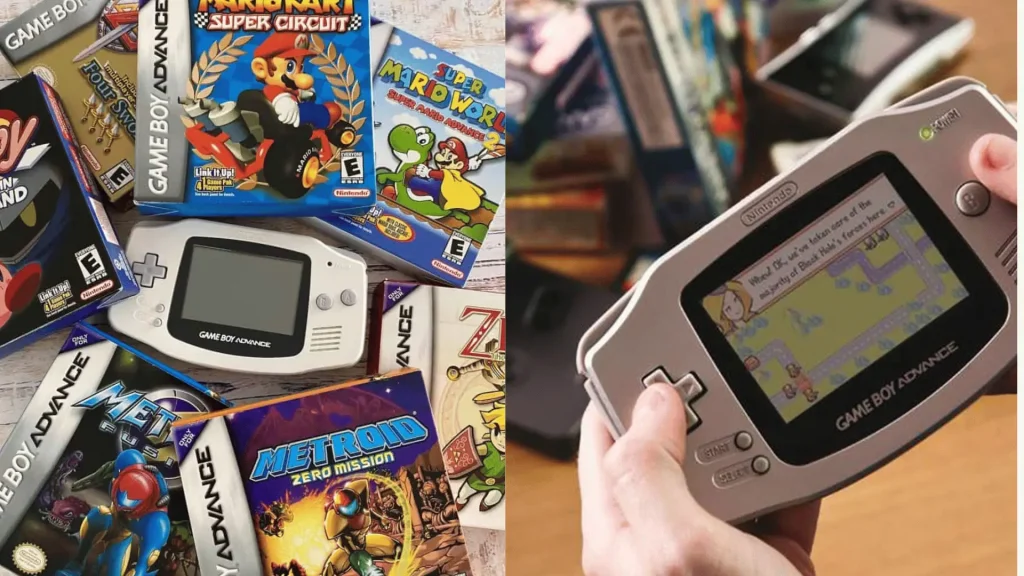
The Game Boy Advance launched in 2001 and quietly became one of the best gaming platforms Nintendo ever made.
I remember pulling out a GBA SP on a long flight and not putting it down until the battery turned red. No menus, no patches, no setup. The game just ran. Over its eight-year lifespan, the GBA built a library that holds up surprisingly well
The picks below cover the best Game Boy Advance games ranked by gameplay, replay value, story, design, and lasting impact.
No single factor decides placement; an underrated title with strong design can rank above a more famous one that hasn’t aged as cleanly.
What Makes a Game Boy Advance Game Worth Playing?
Not every GBA game earns its place just by being old. The best Gameboy Advance games hold up because the core gameplay still feels responsive.
Fun factor matters more than technical achievement. If a game still rewards your time, that counts.
Replay value is a reliable signal of quality. Titles with branching builds, hidden areas, or post-game content give you a reason to return. Pokemon Emerald and Final Fantasy Tactics Advance support multiple full playthroughs without feeling repetitive.
Story and design separate the good from the great. The Minish Cap and Golden Sun feel considered from start to finish, while Aria of Sorrow changes context late in a way that reframes everything before it.
Impact also matters. Advance Wars and Fire Emblem introduced tactical gameplay with accessibility and depth that most strategy games still don’t match on handheld hardware.
Best Gameboy Advance Games Ranked
The games below are ranked using a combination of all four criteria above. An underrated title with strong design and real replay value can rank above a more famous game that has not held up as well.
When going through this list, it becomes clear why these titles are still talked about among the best gba games of all time, even after so many years. The gameplay still feels sharp, and most of them give you a reason to come back.
1. The Legend of Zelda: The Minish Cap
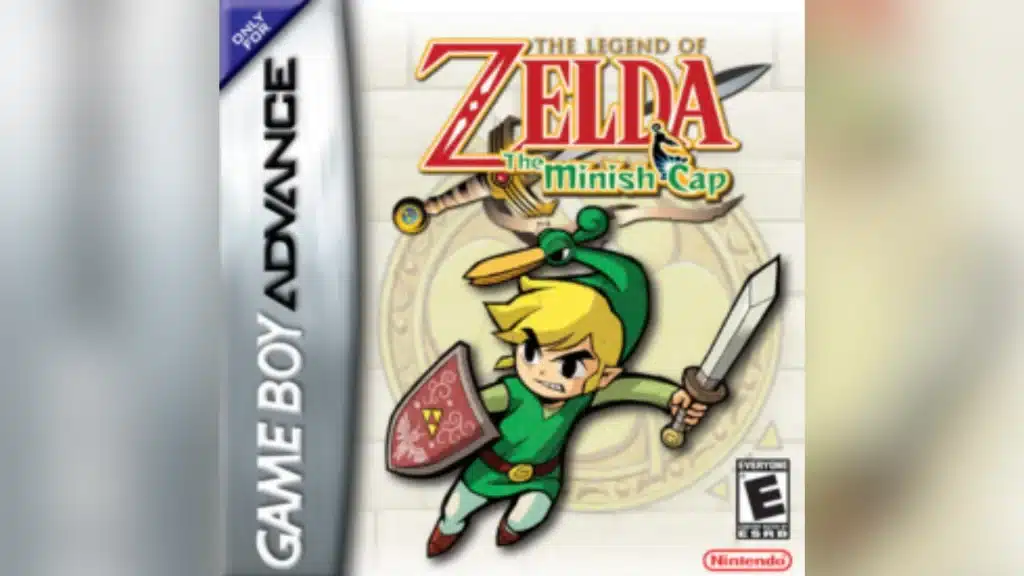
The Minish Cap was developed by Capcom and released in 2004, and it remains one of the most focused Zelda games Nintendo published on any platform.
The core mechanic lets Link shrink to mouse size, and the map transforms completely when you do. Furniture becomes terrain. Countertops become cliffs.
Every dungeon is built around that shift, and it holds together cleanly from start to finish.
Vaati is a more interesting villain than he gets credit for, and the pacing rarely drags. Combat feels responsive immediately. For a portable Zelda, this one is hard to beat.
2. Pokémon Emerald
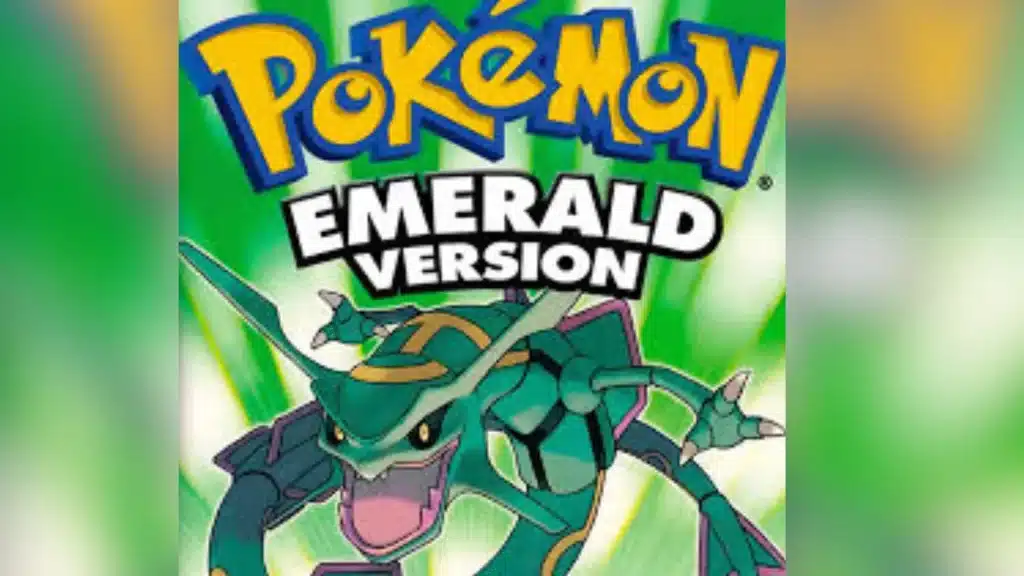
Pokémon Emerald is the definitive Generation III Pokémon game. It combines the best content from Ruby and Sapphire, adds the Battle Frontier as a post-game challenge, and includes Rayquaza in the main story.
The Hoenn region is bigger than it first appears, with water routes that hide a real amount of optional content, including cryptic puzzles like the Sealed Chamber tied to the Regi legendaries.
Natures and abilities entered the series here, changing how battles work. Double battles also made their debut.
The Battle Frontier gives players something to chase long after the main story ends. Pokémon Emerald consistently ranks among the most popular Game Boy Advance games. This is the version worth seeking out if you only play one game from the third generation
3. Metroid Fusion
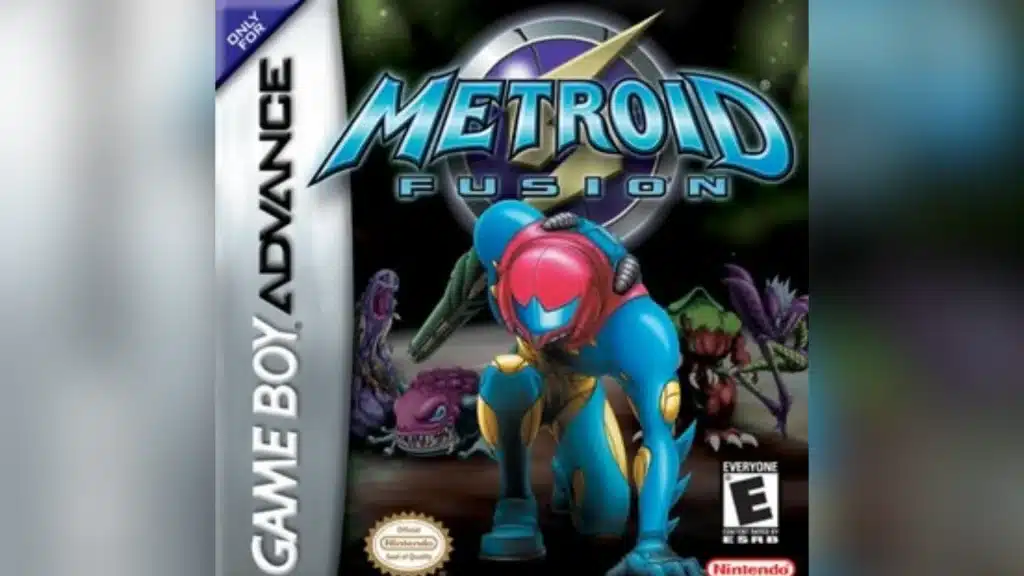
Metroid Fusion is the more linear of the two GBA Metroid entries, and that linearity is what makes it work.
You play as Samus after a parasite called the X strips her of her suit and most of her abilities. The atmosphere is deliberate and uncomfortable.
There is a thing called the SA-X, essentially Samus in her original form, and it hunts you through the station.
The first time it appears, when you cannot fight back, is one of the best tension moments on GBA.
The gameplay is tight, the boss fights are well designed, and the pacing builds with purpose from start to finish. It is shorter than other Metroid games, but it uses every minute well
4. Advance Wars
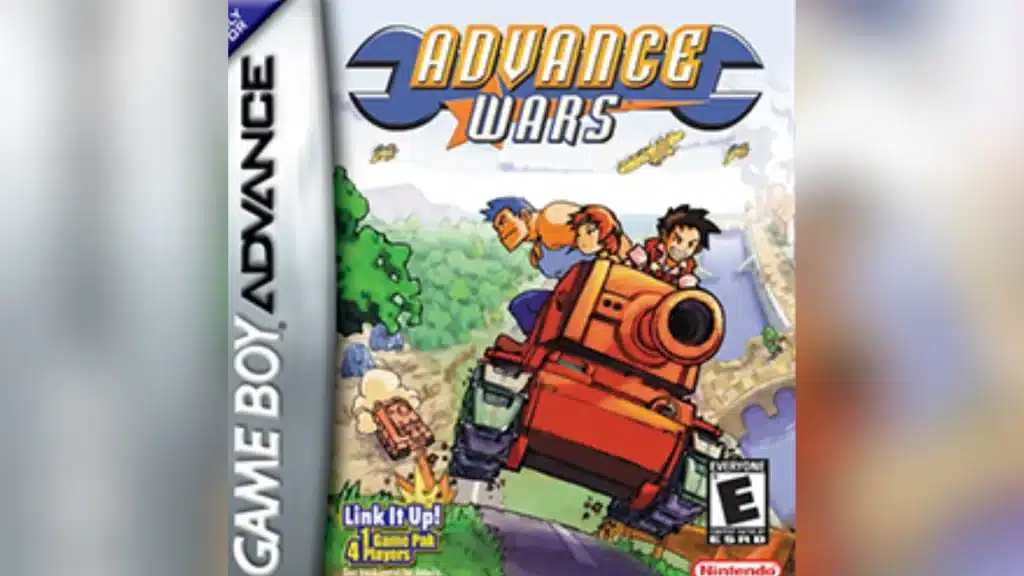
Advance Wars is a turn-based strategy game where you command a military force across grid-based maps, managing tanks, infantry, aircraft, and ships.
The depth is real, but the game introduces it slowly, so new players are not left behind. Each Commanding Officer has a unique power that changes how you build your army and approach each map.
The campaign teaches through challenge rather than heavy tutorials.
What keeps players coming back is the map variety and how each CO supports a different play style. It remains one of the purest strategy experiences on a handheld.
Released in 2001, Advance Wars still holds up as one of the sharpest portable strategy games. The sequel builds on it well, but this is the right place to start.
5. Super Mario Advance 4: Super Mario Bros. 3
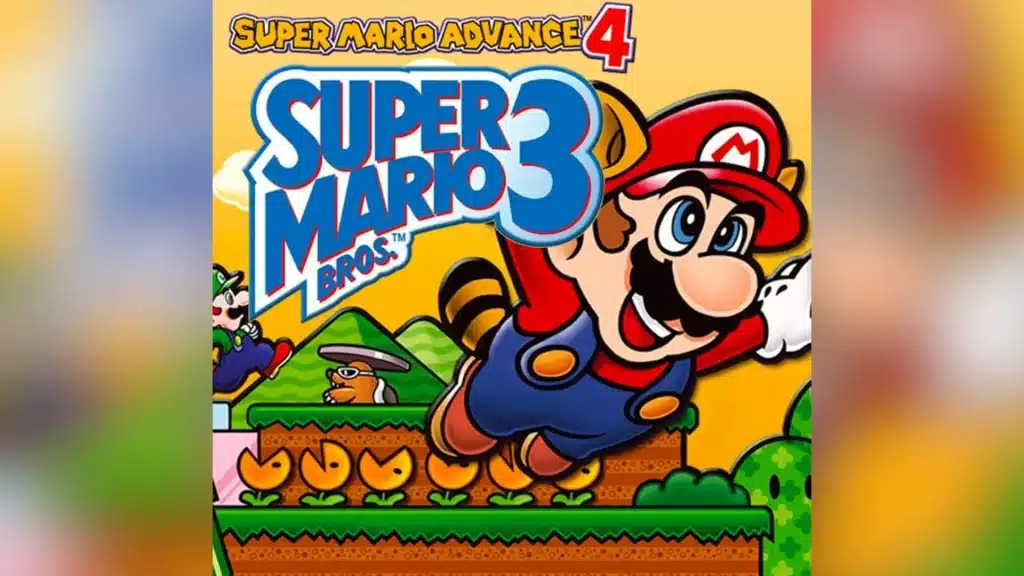
Super Mario Advance 4 is a port of Super Mario Bros. 3 for the GBA, and it remains one of the best Mario games on any platform.
The original introduced the overworld map, suit power-ups, and boss fights against Bowser’s children, all of which still hold up. It stands alongside the best SNES games rather than in their shadow.
The GBA version adds e-Reader card levels, now accessible through Nintendo Switch Online, making it the most complete version available. Mario Bros. 3 packs more design ideas into its worlds than most platformers manage across an entire series.
6. Castlevania: Aria of Sorrow
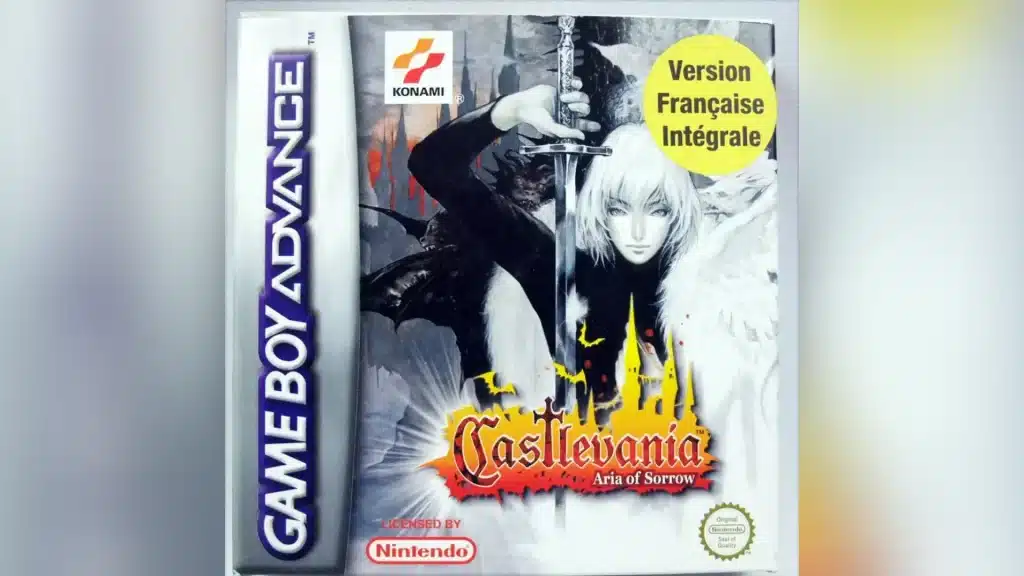
Aria of Sorrow is the best Castlevania game on GBA. You play as Soma Cruz in 2035 inside Dracula’s castle, where you absorb the souls of enemies to gain abilities.
This soul system changes how you approach the game, as you are always looking for drops that unlock something new.
Combat feels weighty for a handheld title. Soma moves well, and upgrades make a clear difference in fights. The castle design is strong, with areas opening as your soul collection grows.
The story is short but takes a sharp turn near the end. For anyone new to Metroidvania games, this is one of the best entry points in the genre.
7. Golden Sun
GBA RPG was built for the hardware from the start, and it shows. Coming from the original Game Boy and Game Boy Color, the visuals felt like a real generational leap.
The story follows young adepts with elemental powers, and the Djinn system gives flexibility in building your party.
Mixing and summoning Djinn unlocks different classes, encouraging experimentation instead of locking one path.
Puzzles use Psynergy in a way that feels part of the world rather than separate. The story ends on a cliffhanger, which can feel frustrating at first. Playing the sequel right after completes the experience.
8. Fire Emblem: The Blazing Blade
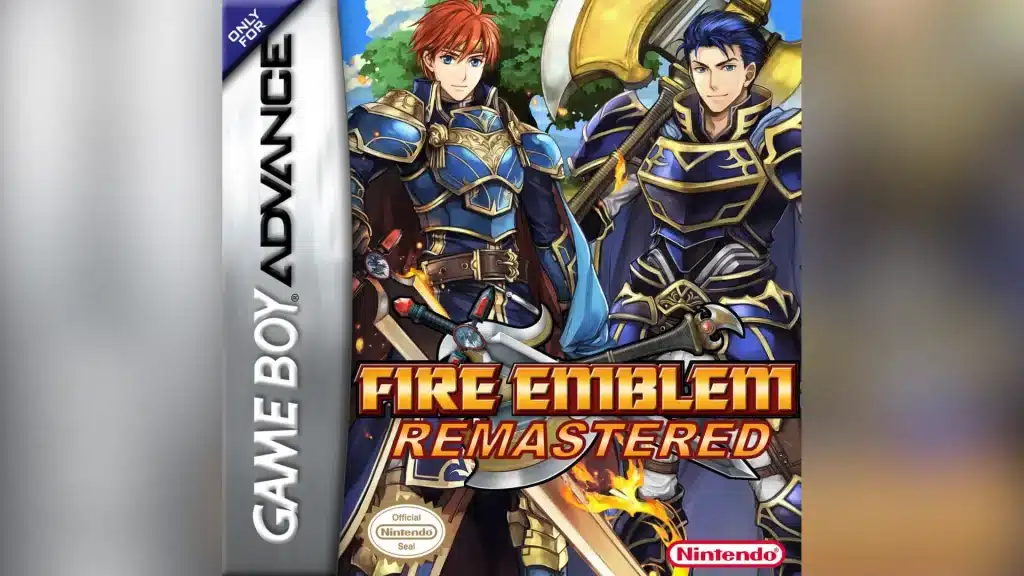
The Blazing Blade was the first entry released outside Japan, and it introduced tactical RPG mechanics to a wider audience.
You manage a small army on grid maps where positioning, weapon types, and terrain affect outcomes.
The series is known for permanent character death, and that remains here. Losing a character you have trained for hours changes how you approach every decision.
The gameplay creates tension that few GBA titles match.
The story stands above most handheld RPGs, and the cast is large enough to reward replaying with different characters.It remains one of the highest-rated GameBoy Advance games.
9. Mario Kart: Super Circuit
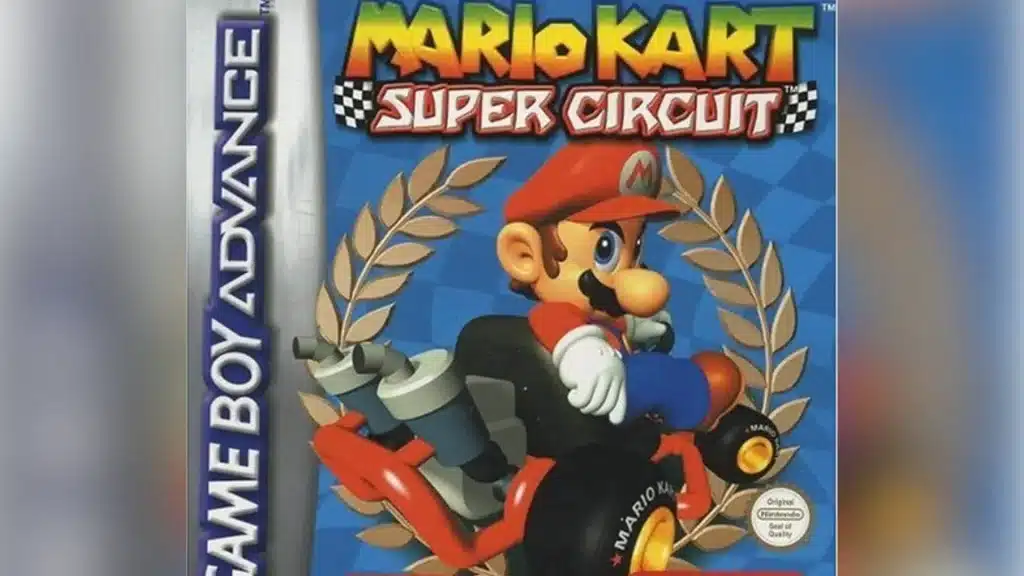
Super Circuit was the first handheld Mario Kart, and it holds up better than its reputation suggests.
The game has 20 original tracks plus all the classic circuits from Super Mario Kart on SNES, giving you more content than most portable racing games from that era.
The drift mechanics take some getting used to because they are tighter than later entries. Once you adjust, the racing feels fast, and the track design stays creative throughout.
Multiplayer works with a single cartridge, which was a meaningful feature at the time. The difficulty ramps up on higher cups, and the later tracks are genuinely challenging.
10. WarioWare, Inc.: Mega Microgame$!
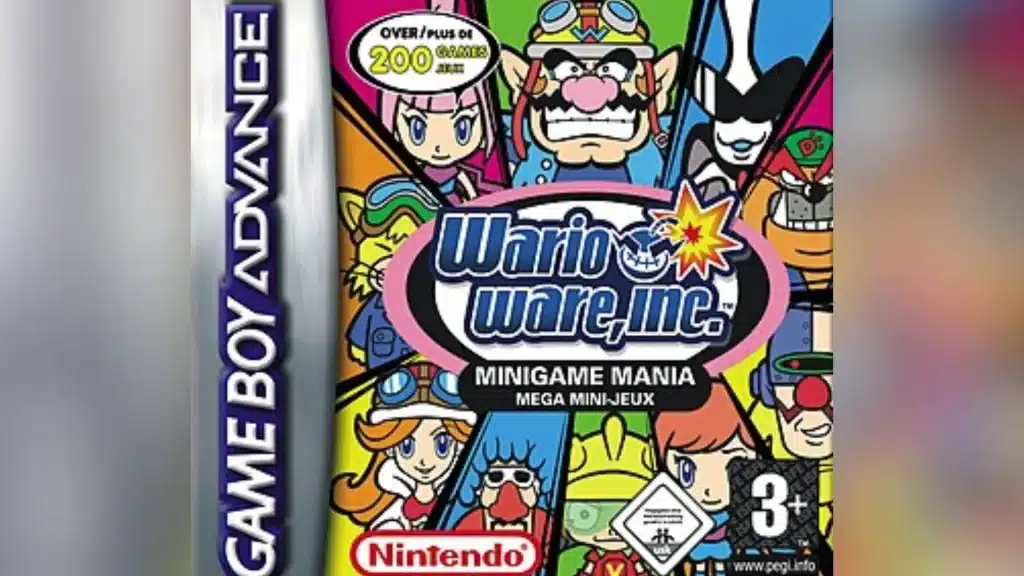
WarioWare, Inc.: Mega Microgame$! is a collection of micro-games that last around 5 seconds each, and the concept holds up completely.
Each game gives you one simple instruction, like “dodge” or “jump,” and then throws something at you instantly.
The speed ramps up as you progress, and the game gets genuinely difficult in a way that feels fair rather than cheap. The humor is specific to WarioWare’s world, which is intentionally strange and self-aware.
It is one of those GBA titles that does not try to be anything it is not, and the variety is good enough that it rarely repeats itself.
11. Kirby & the Amazing Mirror
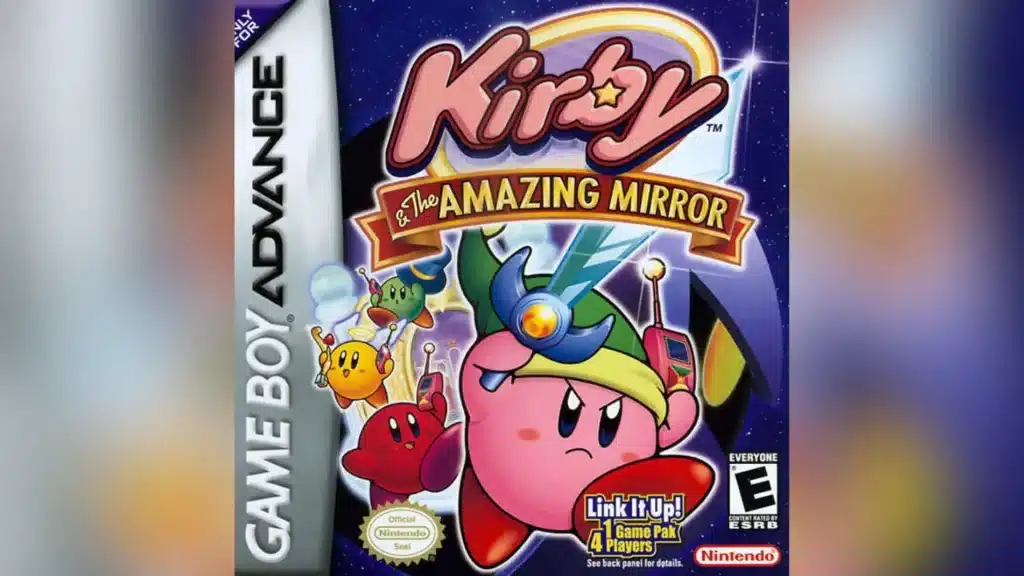
Kirby & the Amazing Mirror takes the usual Kirby format and opens it into something closer to a Metroid-style map.
There is no direction on where to go next, which is a departure from most Kirby games. Copy abilities work the same way they always have, and having 4 Kirbys available in solo mode adds more options.
The multiplayer mode lets up to 4 players explore the same map on separate screens using a single cartridge.
It is a shorter game, but the map is dense, and repeat playthroughs still uncover things missed the first time.
12. Final Fantasy Tactics Advance
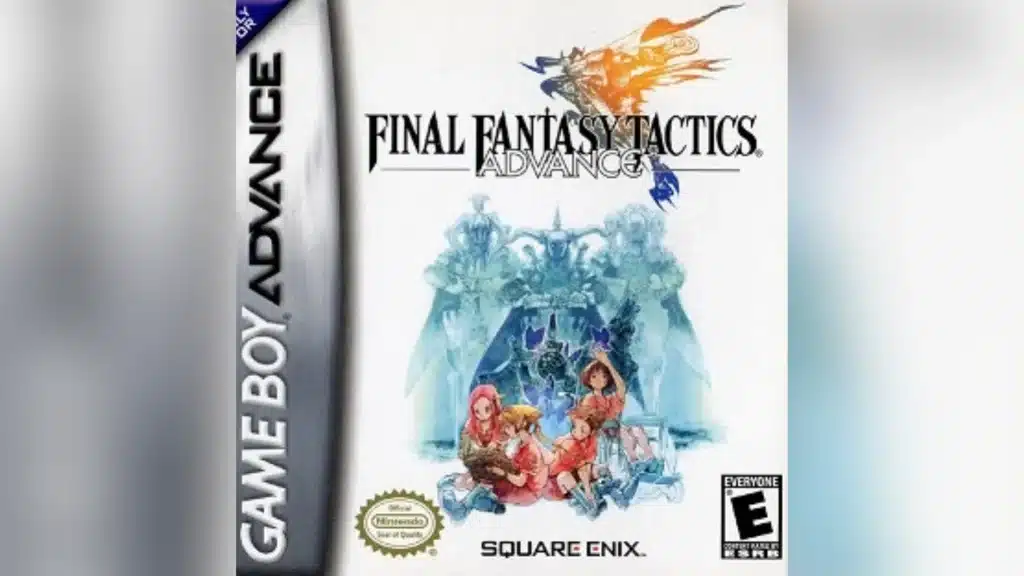
Final Fantasy Tactics Advance is a deep tactical RPG set in Ivalice, a fantasy world where children from the real world are transported. The story has more emotional layers than the premise suggests.
The job system lets you switch classes and learn abilities from different paths, giving real control over how your party develops.
The Judge system adds rules to battles that can change tactics mid-fight.
The campaign is long, often 40 hours or more on a first run. The art direction stands out on the GBA, and the soundtrack still holds up well.
13. Drill Dozer
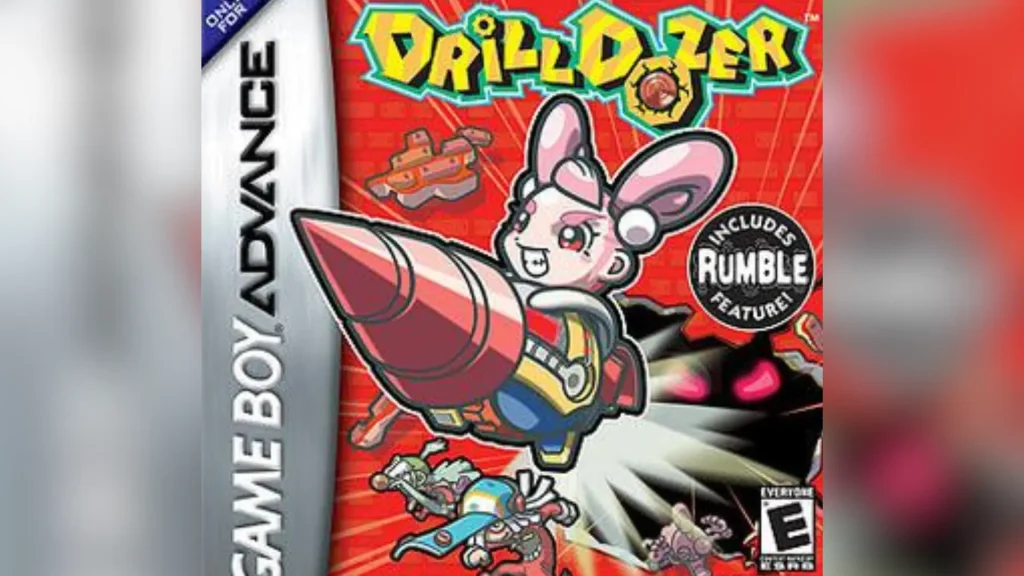
Drill Dozer is a Game Freak platformer that few played when it was released in 2005, which is a shame because the concept is genuinely interesting.
You pilot a small mech with a drill, and most of the game is built around using it at different speeds and angles for movement and combat.
The 2 shoulder buttons control the drill direction, forming the core control scheme. It sounds limited, but the level design finds new ways to use it throughout.
The game runs around 5 to 6 hours for a first playthrough, and it earns that time without overstaying. The cartridge also includes a built-in rumble feature, rare for GBA games.
14. Astro Boy: Omega Factor
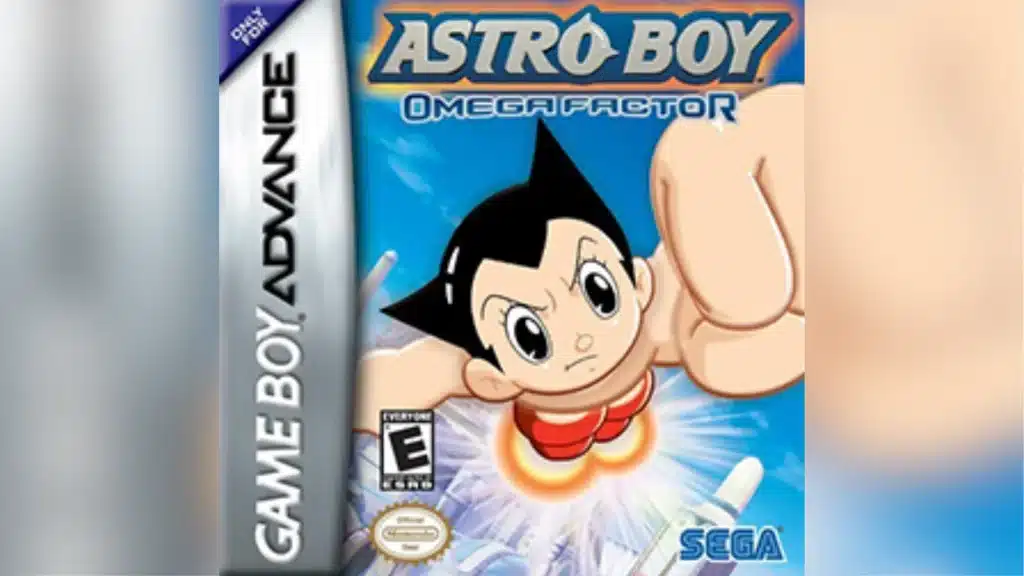
Astro Boy: Omega Factor is a beat-em-up by Treasure that came out in 2004 and deserves a larger audience.
You play as Osamu Tezuka’s robot character through a story that pulls from multiple manga series and treats the material with care.
The combat has more depth than it first appears. Astro has a dash, ranged lasers, and a kick that sends enemies into each other, and chaining these together changes how fights play out.
The game is short on a first run but unlocks a second route that reframes the story. The art direction holds up well on a small screen, making it one of the stronger GBA titles in the genre.
15. Ninja Five-O
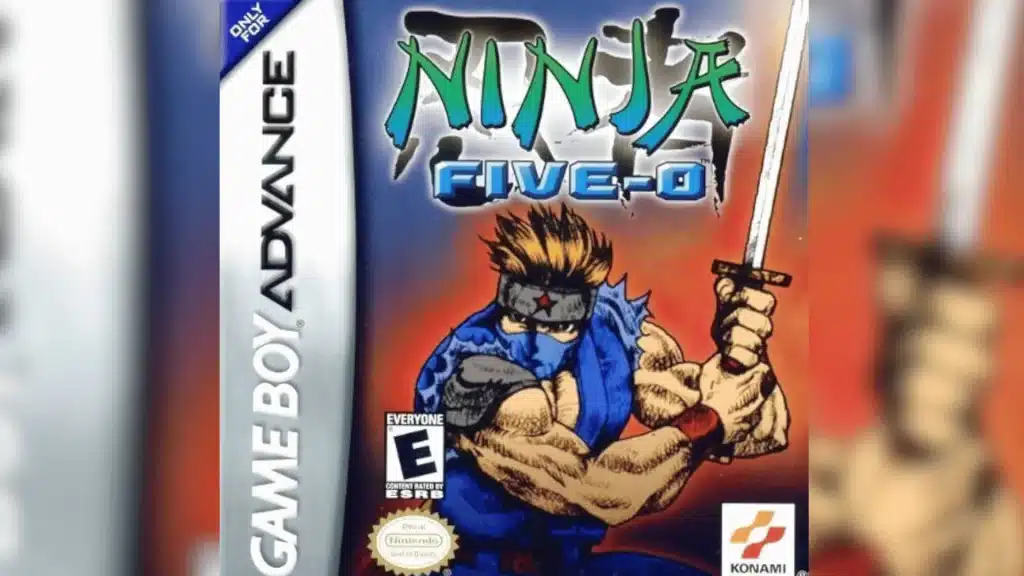
Ninja Five-O is often mentioned in underrated GBA discussions for good reason.
You play as a ninja with a grappling hook who moves through levels faster and more freely than most action games from this era allow.
The grappling hook responds instantly, and the level design encourages aggressive movement rather than caution. The game draws on Shinobi and Bionic Commando to create something unique.
It is harder than most games on this list, with difficulty that teaches through failure. Physical copies are rare and expensive, but it remains one of the most focused action games the GBA produced.
How to Play Game Boy Advance Games Today
The easiest way to play Game Boy Advance games today is through a Nintendo Switch Online Expansion Pack membership.
The service includes titles like Pokémon FireRed, Pokémon LeafGreen, The Legend of Zelda: The Minish Cap, Metroid Fusion, Mario Kart: Super Circuit, WarioWare, Inc., and Kirby & the Amazing Mirror, with more added over time.
For original hardware, GBA SP consoles are easy to find on secondhand markets, and cartridges still work well.
An SP with a backlit screen offers the cleanest experience. IPS screen mods are also popular, with upgraded systems costing around $60-$90.
On PC or modern screens, a retro emulator setup lets you play GBA games without buying physical hardware.
Conclusion
The Game Boy Advance built a library that holds up better than most people expected. The games on this list were made under real hardware constraints, which pushed designers to be specific.
There is no padding in Metroid Fusion. Aria of Sorrow does not overextend its runtime. Even the longer entries like Golden Sun and Fire Emblem earn the time they ask of you.
If you are new to the library, The Minish Cap and Pokémon Emerald are the most accessible starting points.
If you want something with more challenge, Advance Wars and Fire Emblem are worth hundreds of hours of attention.
Which Game Boy Advance game do you still think about? Drop it in the comments below. I want to build a follow-up list from the titles that almost made this one.
Frequently Asked Questions
Is the Game Boy Advance Still Being Manufactured?
Nintendo stopped producing the GBA in 2010. The console is no longer available new, but used units remain widely available through secondhand markets. GBA SP models are particularly common, and most cartridges continue to work normally without issues.
Are Gba Games Compatible with the Nintendo Ds?
Yes. The original Nintendo DS and the DS Lite both have a GBA cartridge slot that lets you play GBA games in handheld mode. Later models, including the DSi, removed this slot. If you own a DS or DS Lite, you can play most GBA titles without any additional hardware.
Which GBA Games Are Available on Nintendo Switch Online?
The Nintendo Switch Online Expansion Pack includes titles like The Minish Cap, Metroid Fusion, Pokémon FireRed, Mario Kart: Super Circuit, and more, with new additions added regularly.


